


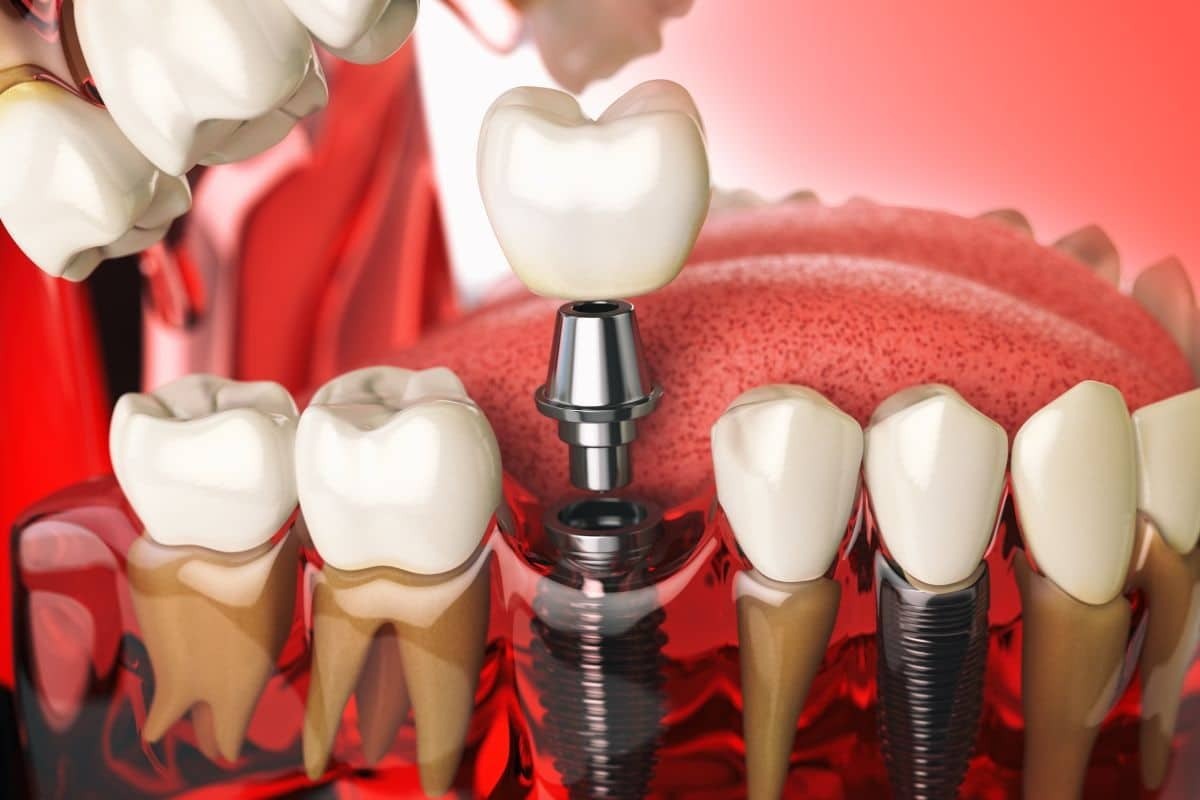
Getting a dental implant can be an important step toward replacing a missing tooth, but many patients have questions about what happens after the procedure. How much discomfort should you expect? When can you return to work? What can you eat? And how long does it take before the implant is fully healed?
Understanding the dental implant recovery process can make the experience feel much more manageable. If you are considering treatment, learning about an experienced implant dentist in Lake Worth can also help you understand the treatment process, healing expectations, and whether dental implants may be appropriate for your individual needs.
At Palms Dental Care, dental implant treatment begins with an evaluation of your oral health, teeth, bite, and jawbone. If bone grafting is needed, it may be performed before implant placement.
Quick Answer: How Long Does Dental Implant Recovery Take?
Dental implant recovery happens in stages. The initial discomfort and swelling generally improve over the first several days, while the implant continues integrating with the jawbone over the following months. This bone-to-implant connection, called osseointegration, is an important part of healing and may take several months depending on the patient and treatment.
Your dentist will determine when the implant is ready for the next stage of treatment based on your healing and clinical evaluation.
Dental Implant Recovery Timeline
Every patient’s recovery is different, but the following timeline provides a general idea of what you may experience.
First 24 Hours: Protect the Surgical Site
Immediately after implant surgery, your main priorities are rest and protecting the treatment area.
Some bleeding or oozing, tenderness, and swelling can occur after oral surgery. Your dental team will provide specific instructions for caring for the surgical site and managing discomfort.
For the first day, avoid unnecessary physical exertion and follow the post-operative instructions you receive. If your dentist recommends medication, take it exactly as directed.
You may also be advised to choose softer foods temporarily and avoid chewing directly over the surgical area.
Days 2-3: Swelling May Be More Noticeable
It is common for swelling and tenderness to become more noticeable during the first few days rather than disappearing immediately.
This does not necessarily mean something is wrong. The body is responding to the surgical procedure and beginning the healing process.
Continue following your dentist’s instructions regarding oral hygiene, food, activity, and medications. Avoid disturbing the implant site with your tongue, fingers, or anything else.
If you have concerns about your symptoms, contact your dental office rather than trying to determine the cause yourself.
Days 4-7: Early Recovery Continues
For many patients, the initial soreness and swelling begin settling during the first week.
You may gradually feel more comfortable returning to your normal routine, depending on the extent of your procedure and your dentist’s recommendations. Some patients may return to work relatively quickly, while others may need additional time.
If your procedure involved bone grafting, multiple implants, or another surgical procedure, your recovery may follow a different timeline.
Weeks 2-4: Healing Beneath the Surface
By this point, the obvious symptoms of surgery may have largely improved. However, the implant is still healing beneath the gums.
This is an important distinction: feeling better does not necessarily mean the implant has completely healed.
The jawbone needs time to integrate with the implant. This process is known as osseointegration and provides the foundation for the implant’s stability.
Continue maintaining good oral hygiene and attending any recommended follow-up appointments.
Months 1-3 and Beyond: Osseointegration
Dental implant recovery does not end when the swelling disappears.
The implant continues interacting with the surrounding jawbone during the healing period. Depending on your circumstances, this process can take several months. Cleveland Clinic notes that osseointegration can take approximately three to nine months, although healing varies from person to person.
Palms Dental Care explains that implant treatment includes a healing period before the later restorative stages, with the exact sequence depending on the patient’s treatment plan.
Once healing has progressed sufficiently, the next stage may involve placing the abutment and final restoration, such as a crown.
What Can You Eat During Dental Implant Recovery?
Food choices can make the early recovery period more comfortable. Immediately after surgery, your dentist may recommend softer foods that require less chewing. If you’re unsure what foods are appropriate at each stage of healing, this what to eat after dental implant surgery guide can help you make practical choices while your mouth recovers.
Examples may include foods such as yogurt, eggs, smoothies, mashed vegetables, oatmeal, or other soft options that fit your dentist’s instructions.
As your mouth becomes more comfortable, you can gradually return to a normal diet as recommended by your dental team.
Avoid putting unnecessary pressure on the surgical area, particularly during the early stages of healing. Your dentist may also provide specific restrictions based on the location and complexity of your implant procedure.
How Can You Support Dental Implant Healing?
Good aftercare plays an important role in protecting the surgical site while your mouth heals.
Helpful habits include:
- Follow your dentist’s post-operative instructions carefully.
- Keep your mouth clean according to the recommended hygiene routine.
- Avoid smoking or tobacco products, which can interfere with healing.
- Choose foods that are appropriate for your stage of recovery.
- Avoid putting unnecessary pressure on the implant area.
- Attend scheduled follow-up appointments.
- Contact your dentist if something does not seem right.
Your dentist may modify these recommendations based on your medical history, oral health, implant location, and whether additional procedures were performed.
What Symptoms Are Normal After Implant Surgery?
Mild discomfort, tenderness, and swelling can occur following implant surgery. Palms Dental Care notes that sensitivity may last for several days and generally decreases as healing progresses.
However, you should not ignore symptoms that concern you.
Contact your dental office if you experience persistent or worsening pain, significant swelling, unusual drainage, a loose implant, or other symptoms that seem inconsistent with the recovery instructions you received.
A dental professional can determine whether the healing process is progressing appropriately.
When Can You Return to Normal Activities?
There is no single answer because recovery depends on the procedure and the individual.
A straightforward implant placement may allow some patients to resume normal activities relatively soon, while more extensive treatment can require additional recovery time.
Your dentist may recommend temporarily limiting strenuous exercise or other activities that could interfere with early healing.
Instead of comparing your recovery with someone else’s experience, follow the personalized instructions provided by your dental team.
Why Follow-Up Appointments Matter
Follow-up visits give your dentist an opportunity to monitor the surgical area and evaluate how the implant is healing.
These appointments are especially important because much of the implant healing process occurs below the gumline. Even when you feel completely comfortable, the implant may still be undergoing osseointegration.
At Palms Dental Care, implant treatment involves evaluating your oral health, bite, teeth, and jawbone as part of treatment planning.
Frequently Asked Questions
1. How painful is dental implant recovery?
Some soreness and discomfort are expected after implant surgery, particularly during the early recovery period. Palms Dental Care notes that mild discomfort and swelling can occur after surgery. Your dentist can recommend appropriate ways to manage discomfort based on your individual situation.
2. How long does dental implant healing take?
Initial recovery may occur over days to weeks, but the implant itself can take several months to integrate with the jawbone. Osseointegration may take approximately three to nine months, depending on the individual and treatment.
3. Can I work the day after dental implant surgery?
Some patients may be able to return to work relatively quickly after a straightforward procedure, but this varies. Your recovery time may be longer if you have multiple implants, bone grafting, or a more extensive procedure.
4. When can I eat normally after implant surgery?
Your dentist will let you know when it is appropriate to return to your normal diet. In the early recovery period, softer foods may be more comfortable, and you should avoid putting unnecessary pressure on the surgical area.
5. What happens if my implant feels loose?
A loose implant should be evaluated by your dentist. Implant stability is important during healing, so do not attempt to adjust or manipulate the implant yourself. Contact your dental office for guidance.
Dental Implant Recovery in Lake Worth, FL
Recovering from dental implant surgery is a process rather than a single event. The first few days focus on managing the immediate effects of surgery, while the following weeks and months allow the implant and surrounding bone to heal.
If you are considering replacing a missing tooth, Palms Dental Care provides dental implant treatment in Lake Worth, Florida, with treatment planning based on each patient’s oral health and individual needs.
You can also see what patients are saying on Google when researching a dental practice and preparing for your consultation.
If you have questions about your candidacy, expected healing time, or what recovery may look like for your specific procedure, schedule a consultation with Palms Dental Care at +1 5619349885. The office is located at 8918 Lantana Rd., Suite B, Lake Worth, FL 33467.
