
Quality Care To Last a Lifetime
Dentist in Lake Worth, FL
What Is Root Canal Therapy?
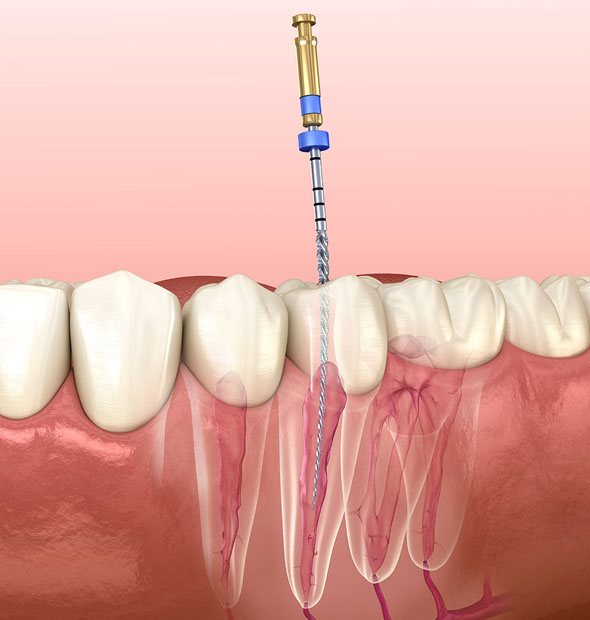
Root canal therapy is required when there is an infection in the soft tissue
within the tooth structure, which creates an empty space or abscess underneath the tooth. This
open space can undermine the tooth structure and the materials that hold the tooth in place. A
root canal is performed to remove the infected material inside the tooth. It is replaced with an
antibacterial filler that will help preserve the tooth and the healthy tissue surrounding it.
Will It Hurt?
Because of some of the more recent advancements in technology and anesthetics, root canals are no
longer a feared procedure but a routine one instead. We will do everything possible to make your
root canal procedure as comfortable as possible. We use both topical and local anesthesia to numb
any pain you may experience. Ask your dentist about sedation options and how we can take the stress
out of your root canal.
Do I Need a Crown?
Because the tooth that is infected can sometimes be compromised in structure or otherwise chipped or
discolored, a crown may need to be placed over the tooth to restore its chewing function and
integration with your other healthy teeth. Crowns are usually placed after a root canal is performed
on the back molars. Crowns help to preserve the affected tooth for years after the procedure is
done.

Benefits of Root Canal Therapy:
- Preserves bone
- Restores function
- Preserves teeth
- Keeps gum tissue healthy
- Eliminates toothache
- Offers a safe procedure
Root Canal Treatment
A root canal treatment is a specialized dental procedure used to remove inflamed or infected
pulp from inside a tooth. Once the damaged tissue is carefully removed, the inner chamber is
thoroughly cleaned, disinfected, filled, and sealed to restore strength and function. The goal
of root canal treatment is to eliminate bacteria from the infected root canal, prevent
reinfection, and preserve your natural tooth.
At Palms Dental Care, we provide gentle and effective root canal treatment in Lake Worth,
helping patients relieve tooth pain, protect their oral health, and avoid unnecessary tooth
extractions.
Are You Looking for Root Canal Therapy?
If you think you have an infection or abscess under a tooth, you may be a candidate for a root canal
therapy in Lake Worth, Florida. Our dentists and team are here to help you gain confidence in your
smile. Call Palms Dental Care today at
if you have any questions, and
we will be glad to help you.
Frequently Asked Questions
Many people associate pain with root canals, but modern techniques and
local anesthesia make the procedure relatively pain-free. Any discomfort is usually
minimal and temporary, especially after the anesthesia wears off.
Root canal therapy eliminates pain, preserves your natural tooth, and
prevents further infection or tooth loss. It helps maintain the alignment and function
of your teeth and prevents surrounding teeth from shifting.
The procedure typically takes one to two hours, depending on the
complexity of the infection and the number of roots involved. In some cases, a follow-up
appointment may be needed for a permanent crown.
After the procedure, your tooth may feel sensitive for a few days,
especially if there was significant infection. Over-the-counter pain relievers can help
manage discomfort, and full recovery should be expected within a week or two.
Root canal therapy is generally safe, but as with any procedure, there
are small risks, such as infection or damage to surrounding tissues. Choosing an
experienced dentist can minimize these risks.
After a root canal, it’s important to avoid chewing hard foods on the
treated tooth until it’s fully restored with a crown. Maintain good oral hygiene and
attend follow-up appointments to ensure proper healing.
A tooth treated with root canal therapy can last many years, often for a
lifetime, if properly cared for. Most patients will need a crown to protect the tooth
and ensure its long-term function.
While rare, it is possible for a tooth to become reinfected after a root
canal. This can happen if bacteria re-enter the tooth, typically due to cracks or damage
to the restoration. Regular dental check-ups can help prevent reinfection.
Immediately after the procedure, avoid eating hard or sticky foods on the
treated tooth. Once the tooth is fully restored with a crown, you can resume normal
eating habits without restriction.
A root canal preserves your natural tooth by removing the infected pulp,
while an extraction involves removing the entire tooth. Root canals are preferred when
possible to maintain natural function and appearance.
After root canal therapy, your dentist will place a crown to restore the
tooth’s appearance and function. The crown can be customized to match the color and
shape of your surrounding teeth, making it look natural.
Come In and Get the Smile You Deserve
Do you have questions about our care? Feel free to give us a call and get the answers you need!
Request Appointment