

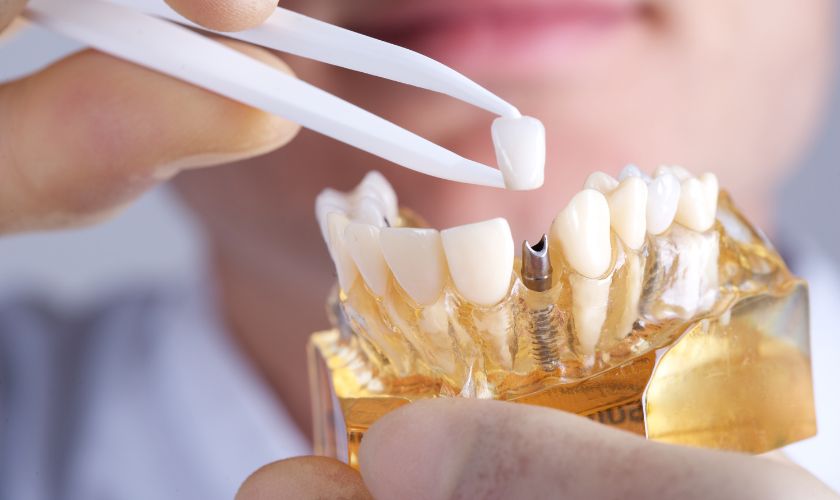
When it comes to replacing missing teeth, dental implants are a trusted solution that offers durability, functionality, and aesthetics. However, patients face a choice between two popular options: All-on-4 dental implants and traditional dental implants. Understanding the differences between these approaches can help you determine which option best suits your needs.
What Are All-on-4 Dental Implants?
The All-on-4 method is a full-arch restoration solution designed to replace all the teeth in either the upper or lower jaw using just four strategically placed dental implants. This approach is known for its efficiency and ability to provide patients with a fixed set of teeth in a single day.
Key Features of All-on-4 Implants:
- Fewer Implants: Only four implants per arch are used, making it less invasive than traditional methods.
- Angled Placement: Implants are angled strategically to maximize contact with available bone.
- Immediate Results: Patients typically receive a temporary set of teeth the same day as the procedure.
- Bone Grafting Often Avoided: This method is suitable for patients with some degree of bone loss, reducing the need for bone grafting.
What Are Traditional Dental Implants?
Traditional dental implants are the gold standard for replacing individual teeth or supporting full-arch restorations. They involve placing a titanium post in the jawbone for each missing tooth or using multiple implants to support a bridge or denture.
Key Features of Traditional Implants:
- More Implants: Full-arch restorations may require six to eight implants per jaw.
- Straight Placement: Implants are placed vertically and may require more bone density.
- Custom Timelines: Healing time is needed before placing permanent restorations, often requiring multiple appointments.
- Bone Grafting May Be Needed: Patients with significant bone loss may require bone grafting to ensure implant stability.
Pros and Cons of All-on-4 Dental Implants
Pros:
- Quicker results with fewer appointments.
- Lower cost compared to traditional full-arch implants.
- Suitable for patients with bone loss without requiring grafting.
- Streamlined treatment process.
Cons:
- May not be ideal for patients with severe bone loss or gum disease.
- Fixed restoration means the entire arch must be replaced if an issue arises.
Pros and Cons of Traditional Dental Implants
Pros:
- Highly versatile and customizable.
- Each tooth is independently supported, mimicking natural teeth.
- Long-term durability with proper care.
Cons:
- Longer treatment time due to healing phases.
- Higher cost, especially for full-arch restorations.
- May require invasive procedures like bone grafting.
Factors to Consider When Choosing
When deciding between All-on-4 and traditional dental implants, consider the following:
- Bone Density: All-on-4 may be more suitable if you have reduced bone density.
- Budget: All-on-4 often costs less than traditional full-arch solutions.
- Timeline: If you need quicker results, All-on-4 is likely the better choice.
- Dental Health: Traditional implants might be preferable if you have adequate bone and gum health.
Choosing the right dental implant solution is a personal decision that depends on your oral health, lifestyle, and goals. A consultation with a dental professional can provide insights into which option is best for you. With advanced imaging and personalized treatment planning, your dentist will guide you toward a choice that restores your smile and confidence.
Both All-on-4 and traditional dental implants are excellent solutions for replacing missing teeth. Understanding their differences ensures that you make an informed decision tailored to your needs.