


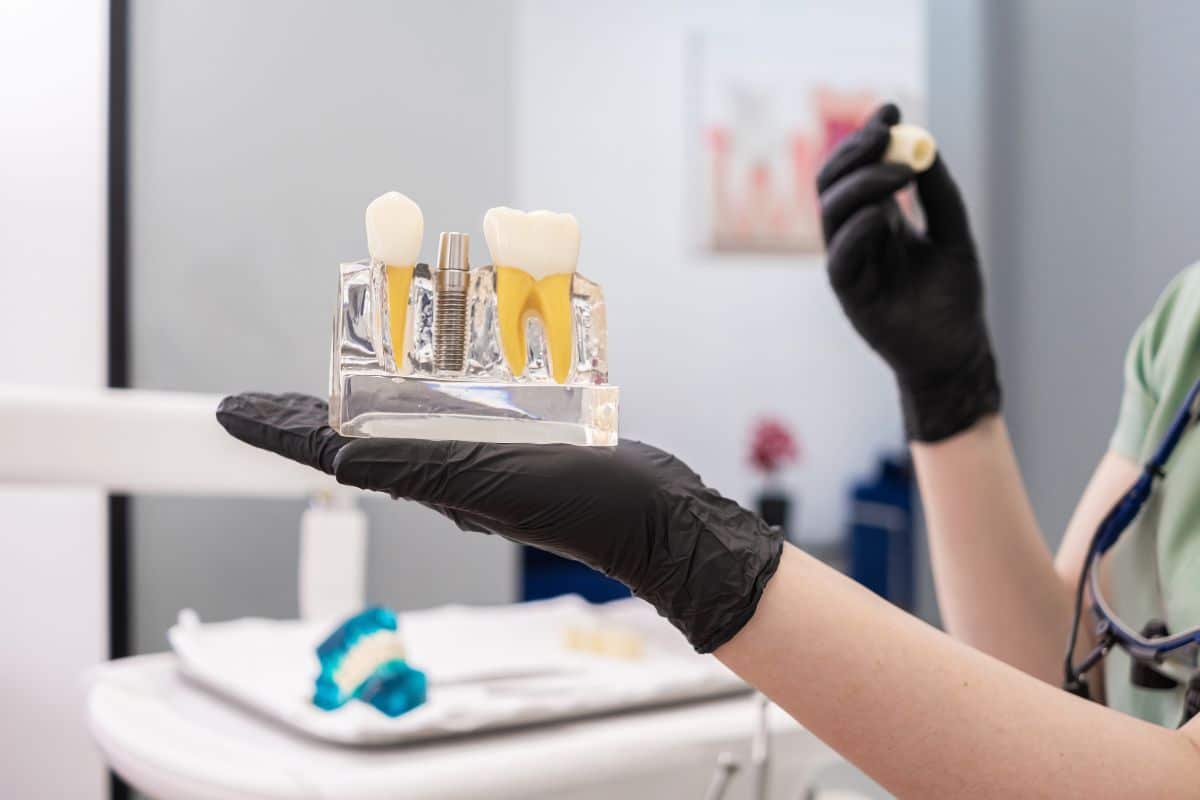
Dental implants can help restore your ability to chew and smile comfortably, but treatment does not end when the implant or final crown is placed. Good daily hygiene, sensible food choices, and routine dental visits all play a role in maintaining the health of your implants and surrounding gums.
If you have recently received an implant or are preparing for treatment, understanding proper aftercare can make the process less confusing. At Palms Dental Care, patients exploring treatment with an implant dentist in Lake Worth can learn about implant treatment and discuss the care needed at each stage.
Whether your implant is still healing or your permanent crown is already in place, the right routine can help you protect your investment in your smile.
Quick Answer
Brush twice a day with a soft-bristled toothbrush, clean between your teeth daily, and follow your dentist’s instructions after surgery. Avoid putting unnecessary pressure on the surgical site, attend recommended follow-up appointments, and report persistent pain, swelling, bleeding, or looseness promptly. Your care routine may change as the implant heals.
1. Follow Your Dentist’s Instructions After Surgery
The first few days after implant surgery require special attention. Your gums need time to heal, and the implant may need several months to integrate with the jawbone before the final restoration is attached. Healing time varies from patient to patient.
Protect the surgical area
Follow the specific instructions provided by your dental team. Depending on your procedure, these may include:
- Avoiding vigorous rinsing, forceful spitting, or disturbing the surgical site during the initial healing period.
- Taking prescribed or recommended medications exactly as directed.
- Using cold compresses as instructed to help manage swelling.
- Avoiding smoking or tobacco products, which can interfere with healing.
- Keeping any follow-up appointments so your dentist can monitor recovery.
Do not assume that less discomfort means the implant has fully healed. The underlying bone and tissues may still need time to recover.
Know what to expect
Some tenderness, mild swelling, and minor bleeding can occur after surgery. These symptoms should generally improve rather than worsen. Contact your dentist if symptoms become more severe, persist unexpectedly, or concern you. Uncontrolled bleeding, rapidly increasing swelling, or difficulty breathing or swallowing requires urgent assessment.
2. Brush and Floss Around Your Dental Implants
Long-term dental implant care depends on keeping plaque under control. Although an implant crown cannot develop a cavity like a natural tooth, the gum tissue and bone supporting the implant can still become inflamed or damaged by bacterial buildup.
Choose the right cleaning tools
Once your dentist says it is safe to brush the surgical area, use a soft-bristled toothbrush and fluoride toothpaste. Clean gently around the implant crown and along the gumline.
You may also benefit from:
- Interdental brushes: Useful for cleaning spaces around an implant or beneath certain restorations when appropriately sized.
- Implant-safe floss or specialized floss: Helps remove plaque from areas your toothbrush cannot reach.
- Water flossers: May help clean around implants, particularly in hard-to-reach areas, when used as directed.
Ask your dentist or hygienist to demonstrate the right technique for your particular restoration. Bridges and implant-supported dentures can have different cleaning requirements from single implant crowns.
Avoid brushing too aggressively
Scrubbing harder does not necessarily clean better. Excessive pressure can irritate the gums and contribute to wear on exposed tooth surfaces. Gentle, thorough cleaning is a better daily habit.
3. Choose Foods That Support Healing
Your diet matters most during the early recovery period, when chewing can place pressure on tender tissues.
Choose soft foods that are easy to eat, such as scrambled eggs, yogurt, oatmeal that has cooled, mashed potatoes, and smooth soups that are not too hot. Depending on your dentist’s instructions, soft fish or well-cooked vegetables may also be suitable as healing progresses.
Avoid hard, crunchy, sticky, or very chewy foods until your dentist says they are safe. Do not chew directly over the surgical site if you have been instructed to protect that area.
For more meal ideas, you can add an internal link to your related article about foods to eat after dental implant surgery. Editorial note: Replace this placeholder destination with the exact URL of the relevant food guide before publishing; the specific article URL was not provided.
As healing improves, gradually return to your usual diet according to your dental team’s advice. Do not rush the transition simply because the area feels comfortable.
4. Keep Up With Dental Checkups and Professional Cleanings
Home care is essential, but it cannot replace professional monitoring. Regular dental appointments allow your provider to assess the implant, surrounding gums, bite, and restoration.
During follow-up visits, your dental team may check for inflammation, plaque buildup, changes in gum health, and signs that the implant or crown needs attention. Professional cleaning methods may differ depending on the materials used in your restoration.
How often should you schedule appointments? There is no single interval that suits everyone. Your dentist will recommend a schedule based on your gum health, medical history, implant restoration, and risk of developing periodontal problems.
If you live in Lake Worth or nearby communities in Palm Beach County, keeping regular appointments with your dental provider can help you stay consistent with implant maintenance.
5. Watch for Signs of Implant Problems
Dental implants can function well for many years, but they are not immune to complications. One concern is peri-implant disease, an inflammatory condition affecting the tissues around an implant. If it progresses, it can damage the supporting bone.
Contact your dentist if you notice:
- Persistent or worsening pain around the implant.
- Red, swollen, or bleeding gums near the restoration.
- Pus, an unusual discharge, or a persistent unpleasant taste.
- A crown, bridge, or implant that feels loose.
- Changes in your bite or discomfort when chewing.
A loose crown does not necessarily mean the implant itself has failed, but it should be evaluated promptly. Do not attempt to tighten or repair the restoration yourself.
Seek urgent medical attention for severe swelling that affects breathing or swallowing, or other rapidly worsening symptoms.
6. Protect Your Implants From Everyday Wear
Once healing is complete, a few everyday habits can help protect your restoration.
Avoid tobacco. Smoking can compromise gum health and increase the risk of implant complications. If you use tobacco, ask your dental provider about support for quitting.
Manage teeth grinding. Clenching or grinding can put excessive pressure on implant restorations. If you grind your teeth, ask whether a custom night guard is appropriate.
Be mindful of hard objects. Avoid using your teeth to open packages or biting directly into extremely hard objects. Implants do not have the same natural shock-absorbing mechanism as teeth with living periodontal ligaments.
Maintain your overall health. Conditions that affect healing and gum health may influence implant maintenance. Share relevant medical changes and medications with your dentist so your care plan can be adjusted when necessary.
7. How to Make Dental Implant Care Part of Your Routine
The easiest way to stay consistent is to build implant care into habits you already follow. Brush in the morning and before bed, clean between your teeth daily, and keep a reminder for upcoming dental appointments.
If you have an implant-supported bridge or denture, ask for a demonstration of how to clean underneath the restoration. A routine that works for a single implant may not be enough for a larger prosthesis.
Before choosing a dental practice for ongoing implant care, you may find it helpful to read patient reviews on Google and learn more about Palms Dental Care in Lake Worth.
Frequently Asked Questions
1. How often should I brush my dental implants?
Brush twice daily with a soft-bristled toothbrush and clean between your teeth at least once a day. Follow your dentist’s instructions during the initial healing period, especially if brushing directly over the surgical site is temporarily restricted.
2. Can dental implants get cavities?
No. The implant post and artificial crown do not develop cavities like natural teeth. However, plaque can irritate the surrounding gums and contribute to inflammation and bone loss. Daily cleaning and professional maintenance remain essential.
3. When can I eat normally after dental implant surgery?
It depends on the procedure, the healing process, and whether the implant has received its final restoration. You may need to eat soft foods initially and avoid chewing near the surgical site. Follow your dentist’s instructions before returning to harder foods.
4. What should I do if my dental implant hurts months after treatment?
Contact your dentist for an evaluation, particularly if the pain is persistent, worsening, or accompanied by swelling, bleeding, or looseness. Discomfort can have several causes, and an examination is needed to determine what is happening.
5. How long can dental implants last with proper care?
Dental implants can last for many years, but their lifespan varies with oral hygiene, gum health, general health, habits, and maintenance. The crown or other restoration may need repair or replacement even when the implant itself remains stable. No specific lifespan can be guaranteed.
Conclusion
Good dental implant care comes down to a few important habits: clean thoroughly, follow post-surgical instructions, choose appropriate foods during recovery, protect your teeth from excessive force, and attend regular dental visits. Paying attention to changes around your implant can also help you seek care before a minor concern becomes more serious.
If you have questions about implant aftercare or need help maintaining an existing restoration, Palms Dental Care in Lake Worth, can help you understand your options and plan your next steps.
Ready to discuss your dental implant needs? Call Palms Dental Care at +1 5619349885 to explore treatment information and arrange a consultation.
