

A healthy smile is not just about aesthetics; it’s a reflection of overall well-being. Dental health plays a significant role in one’s quality of life, impacting confidence, nutrition, and even systemic health. Among the many advancements in dentistry, dental implants stand out as a transformative solution for restoring oral health. In this blog, we’ll delve into why dental implants are beneficial for oral health and how they contribute to a better quality of life.
Preservation of Jawbone Density
One of the most crucial aspects of dental implants is their ability to preserve jawbone density. When a tooth is lost, the underlying bone can start to deteriorate due to lack of stimulation. Traditional tooth replacement options like bridges or dentures do not address this issue. However, dental implants mimic the natural tooth root, providing necessary stimulation to the jawbone and preventing bone loss. This preservation of bone density helps maintain facial structure and prevents premature aging.
Stability and Functionality
Unlike removable dentures, dental implants are securely anchored into the jawbone, offering unmatched stability and functionality. This stability allows individuals to bite and chew with confidence, without worrying about slippage or discomfort. Moreover, dental implants closely resemble natural teeth in both appearance and function, providing a seamless and comfortable experience.
Longevity and Durability
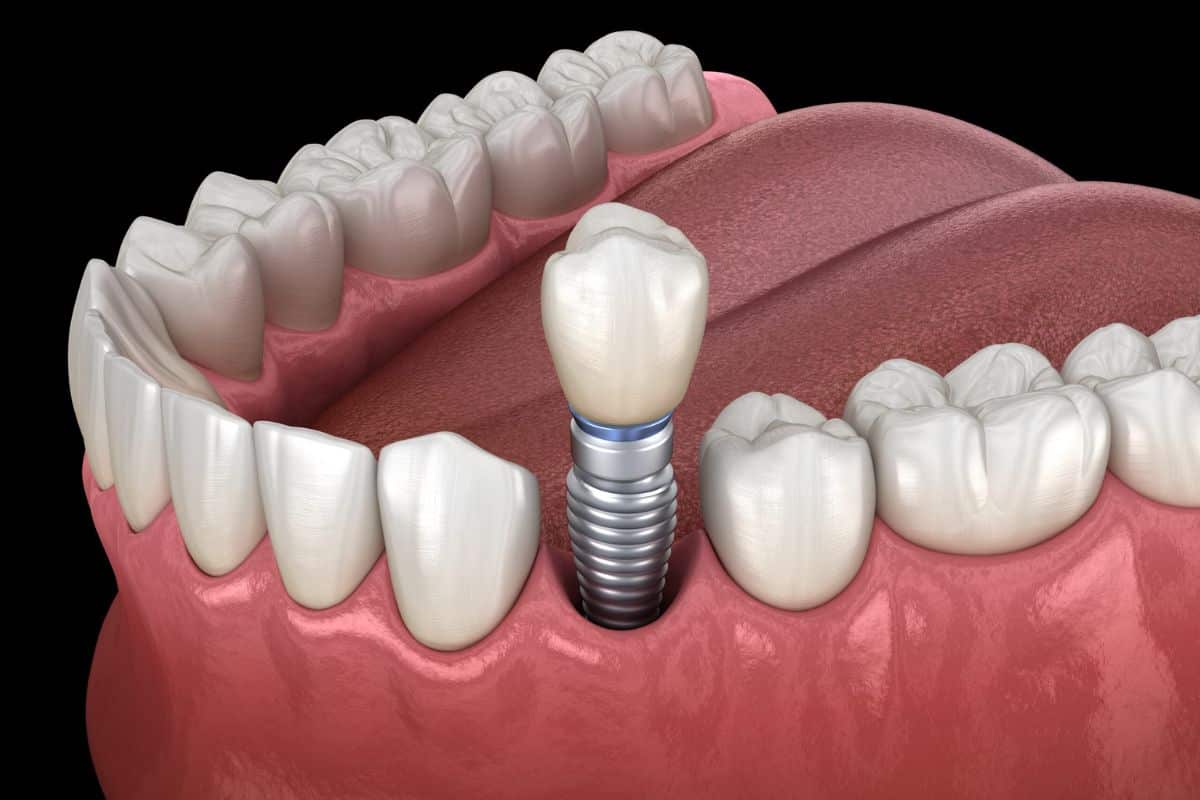
Dental implants are designed to last a lifetime with proper care and maintenance. Unlike traditional bridges or dentures that may need replacement every few years, dental implants offer a permanent solution to tooth loss. Made from biocompatible materials such as titanium, implants fuse with the jawbone through a process called osseointegration, creating a strong and durable foundation for artificial teeth.
Preservation of Surrounding Teeth
Conventional tooth replacement methods often require the alteration of adjacent teeth to support bridges or dentures. This alteration can weaken healthy teeth and compromise their integrity. Dental implants, however, do not rely on neighboring teeth for support, preserving their natural structure and strength. This minimally invasive approach promotes overall oral health and reduces the risk of future dental complications.
Improved Oral Hygiene
Maintaining proper oral hygiene is essential for preventing gum disease and tooth decay. Unlike removable dentures, which can harbor bacteria and food particles, dental implants are easy to clean and maintain. Individuals with implants can brush and floss their teeth as they would with natural teeth, reducing the risk of oral infections and complications.
Enhanced Self-Confidence
Beyond the physical benefits, dental implants can have a profound impact on self-esteem and confidence. Restoring a complete and beautiful smile allows individuals to feel more confident in social and professional settings. The ability to eat, speak, and smile without hesitation or embarrassment can significantly improve the overall quality of life.
Conclusion
Dental implants represent a remarkable advancement in modern dentistry, offering numerous benefits for oral health and well-being. From preserving jawbone density to restoring functionality and aesthetics, implants provide a comprehensive solution to tooth loss. By choosing dental implants, individuals can enjoy a lifetime of improved oral health, confidence, and quality of life. If you’re considering tooth replacement options, consult a qualified dental professional to determine if dental implants are right for you.