

A bright, white smile is often seen as a sign of good health and confidence. But over time, it’s common for teeth to lose their natural whiteness and develop stains or discoloration. If your teeth appear yellow, brown, or duller than they used to be, you’re not alone. Tooth discoloration affects millions of people and can be caused by a variety of lifestyle habits, health conditions, and aging.
The good news? Professional teeth whitening treatments can significantly restore the natural color of your teeth or even enhance them beyond their original brightness. In this blog, we’ll explore the leading causes of tooth discoloration and how whitening treatments can help you regain a radiant smile.
Types of Tooth Discoloration
To understand how whitening works, it’s important to know the types of discoloration:
1. Extrinsic Discoloration
This type affects the outer layer of the tooth (enamel) and is typically caused by food, beverages, and smoking. It’s the most common and the easiest to treat with professional teeth whitening.
2. Intrinsic Discoloration
This form of discoloration originates from within the tooth and may be caused by medication, trauma, excessive fluoride, or underlying dental issues. Intrinsic stains can be more stubborn and may require specialized whitening or cosmetic procedures like veneers.
3. Age-Related Discoloration
As we age, the enamel on our teeth wears down, revealing the yellowish dentin underneath. This natural process can result in a duller appearance and make both intrinsic and extrinsic stains more noticeable.
Common Causes of Tooth Discoloration
Let’s take a closer look at the most frequent contributors to stained or discolored teeth:
1. Food and Beverages
Certain foods and drinks are well-known for staining teeth. These include:
- Coffee and tea
- Red wine
- Soda and energy drinks
- Berries
- Soy sauce and tomato-based sauces
These substances contain chromogens, pigment-producing compounds that cling to the enamel and cause discoloration.
2. Tobacco Use
Cigarettes, cigars, and chewing tobacco can cause significant staining. Nicotine and tar are absorbed into the enamel and lead to brownish or yellowish stains that are tough to remove with brushing alone.
3. Poor Oral Hygiene
Neglecting daily brushing and flossing allows plaque and tartar to build up, contributing to a yellow or dull appearance. Over time, this can worsen discoloration and damage the enamel.
4. Aging
The natural aging process thins the enamel and darkens the dentin beneath, which gives teeth a more yellow or gray hue. This is often accompanied by years of exposure to staining foods and drinks.
5. Medications
Certain medications can affect tooth color, particularly when taken during tooth development. Examples include:
- Tetracycline and doxycycline (antibiotics)
- Antihistamines
- Antipsychotic drugs
- High blood pressure medications
6. Fluorosis
Excessive fluoride exposure during childhood (often from water, supplements, or toothpaste) can lead to white spots or streaks on the teeth, a condition called dental fluorosis.
7. Dental Trauma
Injuries to a tooth can cause it to darken, especially if the nerve or blood vessels are damaged. Trauma may lead to internal bleeding or a dead tooth, both of which cause intrinsic discoloration.
How Professional Whitening Can Help
While over-the-counter whitening products can produce mild results, professional teeth whitening treatments provide a safer, faster, and more effective way to restore your smile.
Here’s how professional whitening can help:
1. Targets Deep Stains
In-office treatments use higher concentrations of whitening agents (typically hydrogen peroxide or carbamide peroxide) that penetrate deeper layers of enamel to break down stains more effectively than store-bought products.
2. Custom-Fit Whitening Trays
Take-home kits provided by your dentist include trays molded specifically for your teeth, ensuring better coverage and consistent results. These kits also contain stronger bleaching agents than those available in retail stores.
3. Safe and Supervised
Whitening under the supervision of a dental professional minimizes the risk of tooth sensitivity, gum irritation, or overuse. Your dentist will assess whether you’re a good candidate and monitor your results for optimal safety.
4. Faster Results
Many patients see noticeable results in just one session of in-office whitening. This is particularly helpful if you’re preparing for a special event and need a quick boost to your smile.
Teeth Whitening Options
If you’re considering teeth whitening, here are the most common professional options:
In-Office Whitening
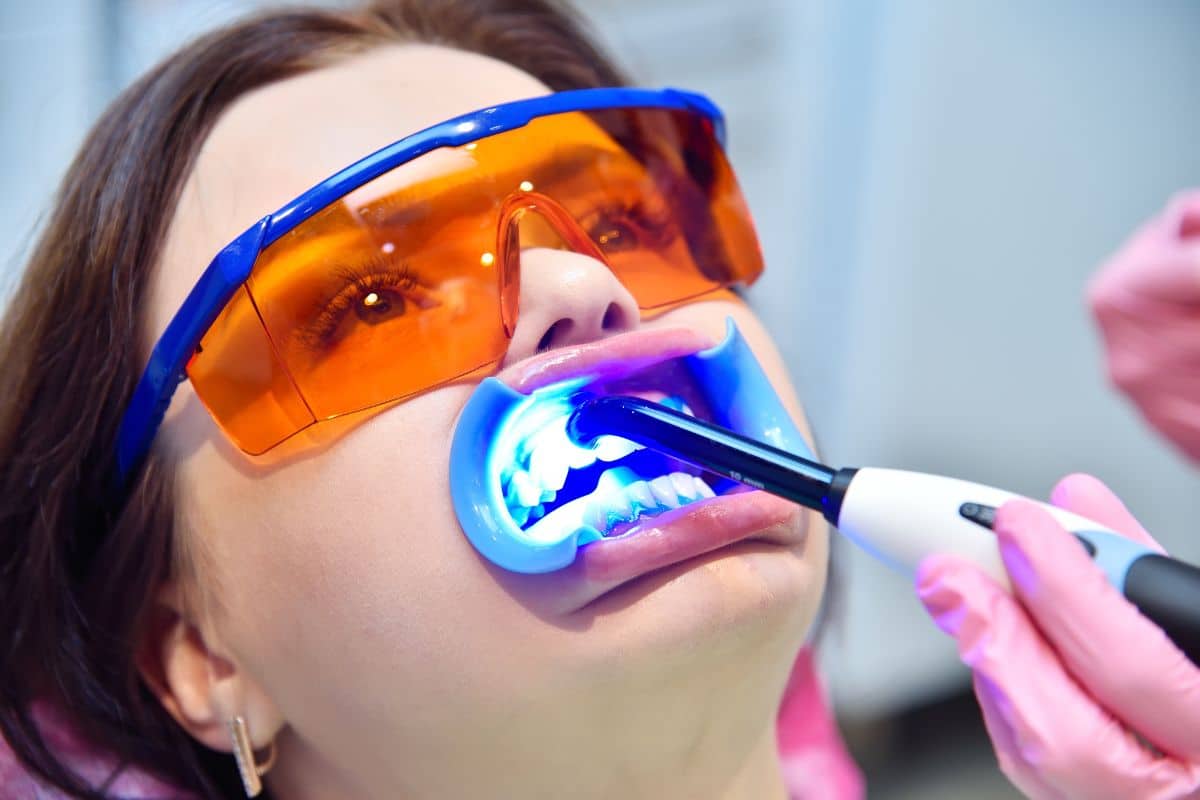
Performed at the dental office, this treatment uses a strong bleaching gel that is activated with a special light. The entire process usually takes about 60–90 minutes and can lighten teeth several shades in one visit.
Take-Home Whitening Kits
These include custom-fitted trays and professional-grade whitening gel to be used at home over a period of 1–2 weeks. While the process is slower, the results are long-lasting and highly effective when used consistently.
Internal Whitening
For teeth discolored due to trauma or root canal treatment, internal whitening may be used. In this method, the bleaching agent is placed inside the tooth to lighten it from within.
How to Maintain Your Whitened Smile
After whitening your teeth, it’s important to follow a maintenance routine to keep your smile bright:
- Brush twice daily with a whitening or non-abrasive fluoride toothpaste.
- Floss daily to prevent plaque buildup.
- Limit staining foods and beverages. Rinse your mouth or brush after consuming coffee, wine, or acidic foods.
- Quit smoking or using tobacco products.
- Schedule regular cleanings with your dentist to remove surface stains and monitor oral health.
Also, talk to your dentist about occasional touch-up treatments to maintain the whiteness over time.
Is Whitening Right for You?
Teeth whitening is a great option for many patients, but it’s not suitable for everyone. You may not be a candidate if you have:
- Dental restorations like crowns or veneers that don’t respond to whitening agents
- Severe tooth sensitivity
- Extensive enamel erosion
- Discoloration caused by underlying dental problems
In such cases, your dentist may recommend alternative cosmetic treatments like bonding, veneers, or crowns to enhance your smile.
Tooth discoloration can impact more than just your appearance—it can also affect your self-confidence. Fortunately, professional teeth whitening treatments offer a powerful and safe solution to restore the brightness of your smile. Whether your discoloration is caused by coffee, smoking, aging, or medication, a customized whitening plan from your dentist can make a noticeable difference.
If you’re ready to brighten your smile and boost your confidence, our team is here to help. Request an appointment now at our conveniently located office at 8918 Lantana Rd B, Lake Worth Corridor, FL 33467, and let us guide you on the journey to a whiter, more radiant smile.