

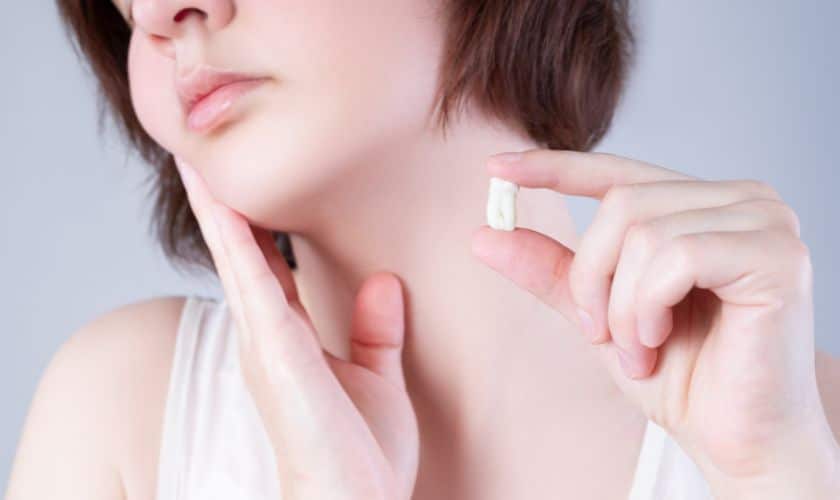
Are you getting your wisdom teeth removed soon? You’re not alone—wisdom teeth extraction is one of the most common oral surgeries in the United States. While the procedure itself is routine, the recovery phase can feel uncomfortable if you’re not prepared.
The good news? With the right aftercare, you can minimize pain, reduce swelling, and heal faster. In this guide, we’ll walk you through five proven tips to speed up recovery after wisdom teeth removal—plus expert insights to help you avoid complications and get back to your normal routine sooner.
What Is Wisdom Teeth Removal?
Wisdom teeth removal is a surgical procedure that involves extracting one or more third molars—the teeth located at the very back of your mouth. These teeth typically emerge between ages 17 and 25 but often don’t have enough space to grow properly.
When wisdom teeth become impacted or misaligned, they can lead to:
- Pain and swelling
- Infection or gum disease
- Damage to nearby teeth
- Jaw stiffness
During the procedure, your dentist or oral surgeon uses local anesthesia, sedation, or general anesthesia to ensure comfort. After the extraction, mild discomfort, swelling, and limited jaw movement are common for a few days.
Following proper post-operative care is essential for a smooth recovery.
1. Use Warm Compresses (After 48 Hours)
Warm compresses are a simple yet effective way to reduce stiffness and promote healing after the initial swelling phase.
How it helps:
- Increases blood circulation
- Reduces jaw stiffness
- Relieves lingering discomfort
How to use:
- Soak a clean cloth in warm (not hot) water
- Wring out excess water
- Apply to the cheek for 15–20 minutes
Pro Tip: Avoid using warm compresses during the first 24–48 hours. Start only after swelling begins to subside.
2. Apply Ice Packs (First 24–48 Hours)
Ice packs are your best friend immediately after surgery. They help control swelling and numb the area, reducing discomfort.
Benefits:
- Minimizes inflammation
- Reduces pain
- Prevents excessive swelling
Best practice:
- Wrap an ice pack in a cloth (never apply directly to skin)
- Use for 20 minutes on, 10 minutes off
- Repeat for the first 24–48 hours
Using ice packs early can significantly shorten your overall recovery time.
3. Prioritize Rest and Sleep
Your body heals best when it’s well-rested. After wisdom teeth removal, you should pause your routine and give your body time to recover.
What to do:
- Avoid strenuous activities for at least 2–3 days
- Get 7–9 hours of sleep each night
- Limit talking and jaw movement
Why it matters:
Rest allows your body to:
- Repair tissues faster
- Reduce inflammation
- Prevent complications like dry socket
Avoid workouts, bending over, or heavy lifting during early recovery.
4. Keep Your Head Elevated
Elevation plays a key role in controlling swelling and preventing excessive bleeding.
Tips for proper elevation:
- Use 2–3 pillows to keep your head raised
- Sleep in a reclined position if possible
- Avoid lying completely flat
Benefits:
- Reduces fluid buildup
- Improves circulation
- Enhances comfort
Even during the day, try to keep your head above heart level when resting.
5. Gently Swish with Salt Water
Keeping your mouth clean is critical for avoiding infection and promoting healing.
How to do it:
- Wait 24 hours after surgery
- Mix ½ teaspoon of salt in warm water
- Gently swish for 20–30 seconds
- Spit (do NOT rinse forcefully)
Why it works:
- Removes food debris
- Reduces bacteria
- Promotes faster tissue healing
Avoid vigorous rinsing—it can dislodge the blood clot and lead to dry socket, a painful complication.
Additional Recovery Tips for Faster Healing
To further improve your recovery experience:
- Stick to soft foods: Yogurt, mashed potatoes, smoothies
- Stay hydrated: Drink plenty of water (avoid straws)
- Avoid smoking & alcohol: They delay healing
- Take medications as prescribed
When to Call Your Dentist
Contact your dentist immediately if you experience:
- Severe or worsening pain after 3–4 days
- Persistent bleeding
- Fever or signs of infection
- Bad taste or odor in your mouth
These could indicate complications that require professional care.
Heal Faster, Feel Better
Recovering from wisdom teeth removal doesn’t have to be a difficult experience. By following these five simple tips—ice, rest, elevation, warm compresses, and saltwater rinses—you can significantly speed up healing and reduce discomfort.
Remember, every patient heals differently, so always follow your dentist’s specific instructions for the best results.
If you’re planning a wisdom tooth extraction in Lake Worth, FL, choosing an experienced dental team can make all the difference in your recovery. At Palms Dental Care, patients receive personalized care, advanced technology, and detailed post-operative instructions to ensure a smooth healing process.
Whether you’re dealing with impacted teeth, jaw pain, or swelling, local expertise ensures faster diagnosis, safer procedures, and better recovery outcomes.
Ready for a smoother, stress-free recovery?
Don’t leave your oral health to chance. Book your wisdom teeth consultation today with Palms Dental Care for expert care tailored to your needs. Visit their office at 8918 Lantana Rd B, Lake Worth, FL 33467, and take the first step toward a pain-free smile!
FAQs
1. How long does it take to recover from wisdom teeth removal?
Most patients recover within 7–10 days, but full healing may take a few weeks, depending on the complexity of the extraction.
2. Can I eat normally after wisdom teeth removal?
No. Stick to soft foods for the first few days and gradually reintroduce solid foods as healing progresses.
3. What is a dry socket, and how can I avoid it?
Dry socket occurs when the blood clot is dislodged. Avoid straws, smoking, and vigorous rinsing to prevent it.
4. When can I brush my teeth again?
You can brush your teeth after 24 hours, but avoid the surgical area and be gentle.
5. Is swelling normal after wisdom teeth removal?
Yes, swelling is normal and usually peaks within 48 hours. Ice packs and elevation help reduce it.