

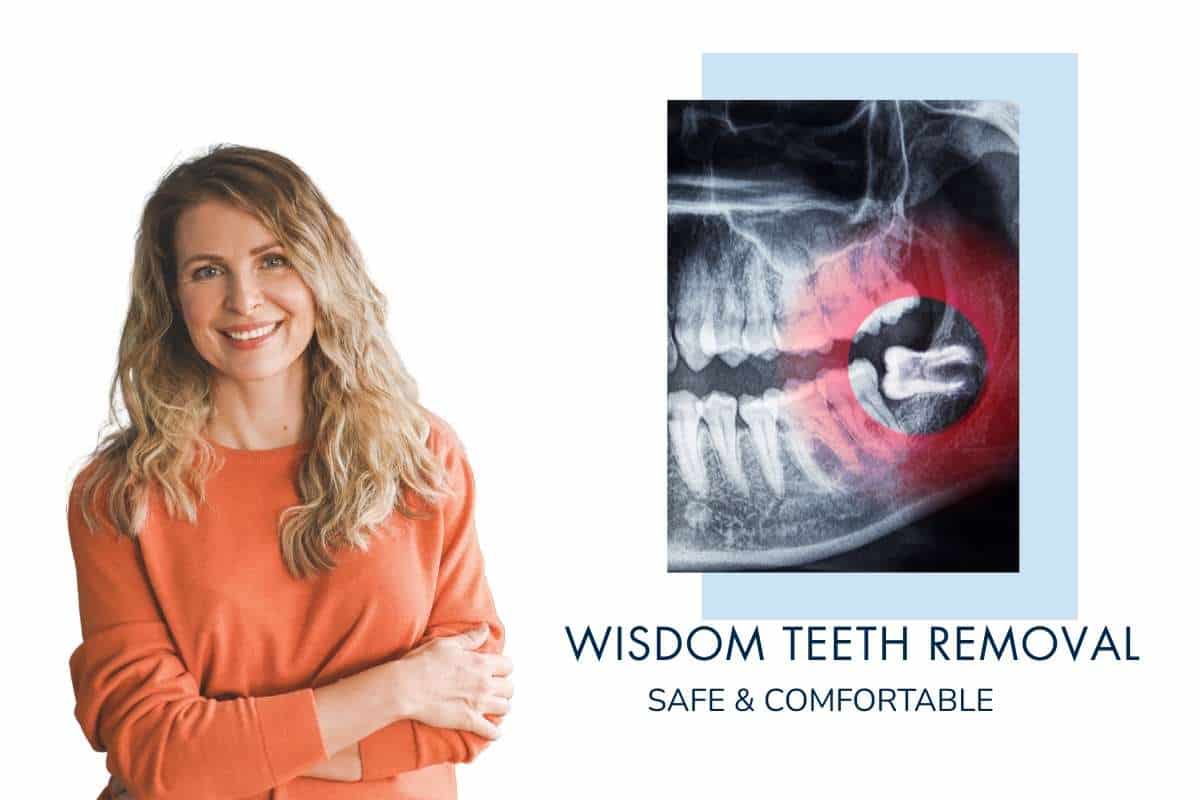
Wisdom teeth removal is one of the most common oral surgeries performed, yet many patients feel unprepared for the recovery process. Whether you had your wisdom teeth removed due to overcrowding, impaction, or infection, knowing how to take care of yourself afterward can make a significant difference in your healing time. At Palms Dental Care in Lake Worth, FL, we want to help you recover safely, comfortably, and efficiently. Below are seven practical tips to speed up your recovery after wisdom teeth extraction.
1. Follow Your Dentist’s Post-Operative Instructions
The most important factor in healing quickly is strictly following the post-operative instructions provided by your dentist. These instructions may include guidelines on medications, diet, oral hygiene, and activity levels. Skipping steps or ignoring advice can lead to unnecessary complications, such as dry socket or infection. Always ask your dentist for clarification if you are unsure about any instructions—they are there to help you recover safely.
2. Control Swelling With Ice Packs
Swelling is a natural part of the healing process and usually peaks within the first 24 to 48 hours after surgery. Applying an ice pack to the outside of your cheek in 15–20 minute intervals can help reduce inflammation and provide pain relief. Make sure to place a thin cloth between your skin and the ice pack to avoid frostbite. After the first 48 hours, you can switch to a warm compress to encourage blood flow and reduce stiffness.
3. Stick to a Soft Food Diet
Your mouth needs gentle care after wisdom teeth removal. Eating soft foods like yogurt, applesauce, mashed potatoes, smoothies, and soups will prevent irritation at the surgical site. Avoid hard, crunchy, or sticky foods for at least a week, as these can disrupt the healing process and may even dislodge blood clots that are essential for recovery. Staying hydrated is equally important, but avoid using straws during the first few days, as suction can interfere with clot formation.
4. Take Medications as Prescribed
Pain and discomfort are common after wisdom teeth extraction, but they can be effectively managed with medications prescribed by your dentist. Whether it’s over-the-counter pain relievers or stronger prescription painkillers, following the dosage schedule is key. Overusing medications or skipping doses can slow down recovery and increase discomfort. If you notice unusual pain, swelling, or bleeding, contact your dentist immediately.
5. Maintain Gentle Oral Hygiene
Keeping your mouth clean is crucial to preventing infection, but you need to be gentle. For the first 24 hours, avoid brushing the extraction site. After that, rinse your mouth gently with warm saltwater several times a day. This helps reduce bacteria and promotes faster healing. Avoid commercial mouthwashes that contain alcohol, as they can irritate the wound. Remember, cleanliness without aggression is the key here.
6. Rest and Avoid Strenuous Activities
Your body heals best when it’s rested. Plan to take it easy for the first few days following surgery. Avoid heavy lifting, vigorous exercise, and activities that can increase blood pressure, as these may cause bleeding at the surgical site. Sleeping with your head slightly elevated can also help reduce swelling and prevent discomfort during rest. By allowing your body to focus on healing, you can recover faster and more comfortably.
7. Watch for Signs of Complications
Although most wisdom teeth removals are straightforward, complications can occasionally arise. Be aware of warning signs such as severe or worsening pain, prolonged bleeding, pus discharge, fever, or swelling that doesn’t improve. If any of these occur, contact your dentist immediately. Early detection and treatment of complications can prevent more serious issues and help ensure a smooth recovery.
Bonus Tip: Stay Hydrated and Nourished
Proper nutrition and hydration are often overlooked but play a significant role in healing. Drinking plenty of water and eating nutrient-rich foods—like fruits, vegetables, and protein—can accelerate tissue repair. Avoid alcohol, caffeinated drinks, and carbonated beverages in the first week, as they can interfere with healing. Maintaining good nutrition also supports your immune system, helping your body fight off infection and recover more efficiently.
Timeline of Recovery
Understanding the typical recovery timeline can help you manage your expectations:
- First 24 Hours: Swelling and mild bleeding are normal. Stick to ice packs, soft foods, and pain medication.
- Days 2–3: Swelling may peak; start warm compresses if necessary. Continue soft foods and gentle rinses.
- Days 4–7: Swelling and discomfort should gradually decrease. You may slowly reintroduce soft solids.
- Weeks 2–3: Most patients feel almost fully recovered. Any remaining tenderness is usually minimal.
- Weeks 4+: Complete healing of gums and bone may take a few more weeks. Continue routine oral hygiene to ensure long-term recovery.
Wisdom teeth removal may seem daunting, but with proper care and attention, recovery can be smooth and relatively painless. By following these tips—adhering to your dentist’s instructions, controlling swelling, eating the right foods, taking medications as prescribed, maintaining gentle oral hygiene, resting, and staying alert for complications—you can significantly improve your healing process.
Book your appointment today and visit our dental office at 8918 Lantana Rd B, Lake Worth, FL 33467, and let our experienced dental team guide you through a safe and comfortable wisdom teeth removal recovery.
FAQs
1. How long does it take to fully recover from wisdom teeth removal?
Most patients feel significant improvement within 7–10 days, but complete healing of the gums and bone may take a few weeks. Following post-operative instructions helps ensure a smoother recovery.
2. Can I eat solid foods immediately after surgery?
It’s best to stick to soft foods like yogurt, mashed potatoes, and soups for at least the first week. Avoid hard, crunchy, or sticky foods that could irritate the surgical site or dislodge blood clots.
3. Is swelling after wisdom teeth removal normal?
Yes, swelling is a normal part of the healing process and usually peaks within 24–48 hours. Ice packs, elevation, and gentle care can help reduce discomfort and inflammation.