

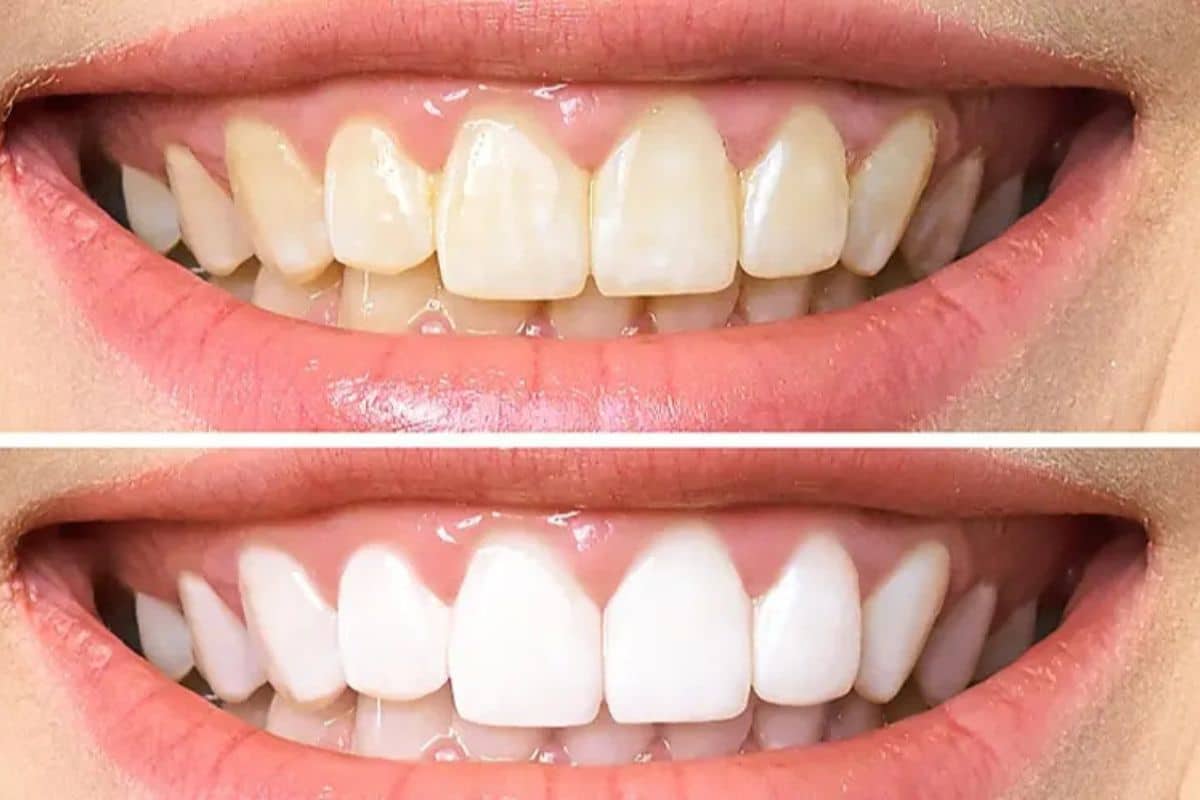
A bright, white smile can enhance your appearance and boost your confidence. With the rise in popularity of teeth whitening treatments—both at home and professionally—many people are asking the same question: Is teeth whitening safe? Whether you’re considering an over-the-counter product or an in-office treatment, it’s essential to understand how whitening works, the potential risks, and what dental professionals recommend to protect your oral health.
In this blog, we’ll explore the safety of teeth whitening, the differences between whitening options, common side effects, and what dentists want you to know before and after treatment.
How Does Teeth Whitening Work?
Teeth whitening involves the use of bleaching agents, typically hydrogen peroxide or carbamide peroxide, to remove stains from the enamel and dentin layers of your teeth. These chemicals break down the colored molecules that cause discoloration from food, drinks, tobacco, or aging.
Whitening treatments can vary in strength and delivery method, including:
- Professional in-office whitening: Performed by a dentist, often using stronger bleaching agents and protective measures.
- Take-home kits from a dentist: Custom-fitted trays with professional-grade gel.
- Over-the-counter products: Whitening strips, trays, toothpaste, or pens with lower concentrations of peroxide.
Each option has its benefits and risks, but understanding what to expect is crucial before beginning treatment.
Is Teeth Whitening Safe?
In general, teeth whitening is considered safe when performed under the supervision of a dental professional or when using FDA-approved at-home products as directed. However, safety depends on factors like the condition of your teeth, the product used, and how frequently you whiten.
Dentists agree that whitening is safe for most people when these conditions are met:
- The patient has healthy teeth and gums.
- The whitening product is used according to instructions.
- There is no history of severe tooth sensitivity or enamel erosion.
Problems usually arise when individuals overuse products, purchase non-approved kits online, or whiten without a proper dental assessment.
Common Side Effects of Teeth Whitening
While generally safe, teeth whitening may cause temporary side effects. These include:
- Tooth Sensitivity:
Whitening can make your teeth more sensitive to hot and cold, especially if you already suffer from sensitivity. This is usually temporary and can be managed with toothpaste for sensitive teeth. - Gum Irritation:
Bleaching agents can irritate the gums if they come into contact with soft tissue. In-office treatments use protective barriers to avoid this issue, whereas improper application of at-home kits may cause discomfort. - Enamel Damage (Rare):
Excessive or improper whitening—especially with abrasive or unregulated products—can weaken tooth enamel. That’s why consulting a dentist beforehand is crucial.
What Dentists Say About DIY Whitening
While over-the-counter products are convenient and widely available, dentists caution users about their effectiveness and safety. Many of these products offer limited results and may not be suitable for all types of stains, especially those caused by internal factors like trauma or medication.
Your dentist can assess the cause of discoloration and determine the most effective and safest treatment for you. In many cases, in-office whitening or custom take-home trays are more effective and longer-lasting than drugstore alternatives.
If you’re looking for long-lasting and safe results, it’s best to seek professional guidance. For those in South Florida, teeth whitening Lake Worth providers often combine advanced technology with personalized care to ensure optimal results with minimal risk.
Who Should Avoid Teeth Whitening?
Not everyone is a candidate for whitening treatments. Dentists typically recommend avoiding whitening if:
- You are pregnant or breastfeeding
- You have untreated cavities or gum disease
- You have dental restorations like crowns, veneers, or fillings on front teeth (they won’t whiten)
- You are under 14 years of age
- You have severe tooth sensitivity or enamel erosion
In such cases, a dentist can suggest alternative treatments to enhance your smile, such as dental bonding, veneers, or thorough cleanings to remove surface stains.
What to Expect After Whitening
After your teeth whitening session, it’s important to follow post-treatment instructions to maximize results and minimize side effects. Here’s what dentists recommend:
- Avoid staining foods and drinks for 48 hours— Coffee, tea, red wine, dark berries, and tobacco can re-stain freshly whitened teeth.
- Use a straw – When drinking beverages that can stain.
- Practice good oral hygiene—brush twice a day and floss daily to maintain your bright smile.
- Use desensitizing toothpaste – If you experience post-whitening sensitivity.
- Touch up as needed—depending on lifestyle habits, whitening may last 6 months to 2 years. Follow-up treatments can help maintain your results.
How Often Can You Whiten Your Teeth?
Dentists generally recommend whitening no more than once every 6 months for in-office treatments, and no more than once every 2–3 months for at-home kits. Over-whitening can lead to enamel thinning, increased sensitivity, and gum irritation.
It’s important to schedule a checkup before any whitening treatment. Your dentist can ensure your mouth is healthy enough and suggest the right frequency based on your enamel strength and lifestyle.
Teeth Whitening vs. Dental Cleaning
Patients often confuse teeth whitening with dental cleaning, but they serve different purposes. A professional cleaning removes plaque, tartar, and surface stains to improve gum health, while whitening targets deeper discoloration for cosmetic enhancement.
In fact, having a cleaning before your whitening treatment can improve the effectiveness of the whitening process by removing barriers to the bleaching agent.
Teeth whitening is a safe and effective way to enhance your smile—as long as it’s done responsibly. By working with a dental professional, you can avoid the common pitfalls of DIY whitening, ensure long-lasting results, and protect your teeth from unnecessary damage.
Whether you’re preparing for a special event or just want to refresh your look, don’t take chances with your smile. Let a professional guide you through your options and customize the best solution for your unique needs.
Book an appointment now with a trusted dentist and take the first step toward a whiter, brighter smile—safely and effectively.