


For many people, the phrase “root canal” immediately brings to mind images of pain and discomfort. This perception, however, is largely outdated. Thanks to modern dental techniques and advanced anesthesia, root canal therapy is now a safe, virtually painless procedure designed to relieve pain rather than cause it.
If you’ve been told you might need a root canal, understanding the process, what to expect during treatment, and how modern dentistry has transformed this procedure can help ease your concerns. Let’s explore everything patients should know about modern root canal therapy.
What Is a Root Canal?
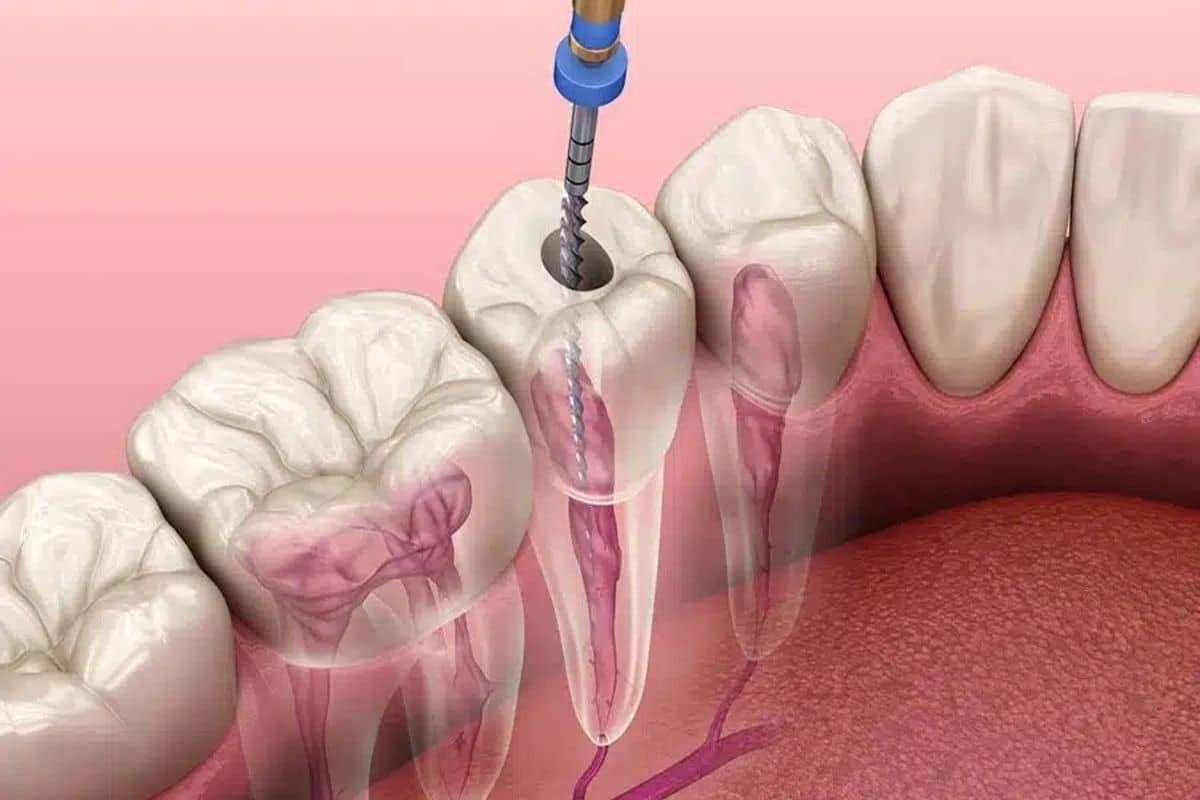
A root canal is a dental procedure used to treat infection or damage within the tooth’s pulp — the soft inner tissue containing nerves, blood vessels, and connective tissue. When decay, trauma, or cracks expose the pulp to bacteria, it can become inflamed or infected, leading to pain, swelling, and sometimes an abscess.
During a root canal procedure, the dentist removes the infected pulp, cleans and disinfects the interior of the tooth, and seals it with a biocompatible material. Often, a crown is placed afterward to restore strength and function. The goal is to save the natural tooth and prevent the need for extraction.
Why People Think Root Canals Are Painful
Historically, root canals were associated with significant pain. In the past, anesthesia was less advanced, and dental tools and techniques were less precise. Patients often experienced discomfort both during and after the procedure, which contributed to the widespread fear of root canals.
However, modern dentistry has changed everything. With today’s technology, including digital X-rays, high-precision instruments, and effective local anesthesia, root canal therapy is now a routine, comfortable treatment for relieving tooth pain rather than causing it.
What Patients Typically Feel During a Root Canal
1. Local Anesthesia:
Before the procedure begins, the dentist administers a local anesthetic to numb the affected area. Most patients report feeling little to no pain during treatment.
2. Minimal Discomfort:
You may feel slight pressure as the dentist cleans and shapes the canals inside your tooth, but it should never be painful. Modern tools and techniques allow for precise work without unnecessary discomfort.
3. Sedation Options:
For patients with dental anxiety, sedation dentistry options are available. Nitrous oxide (“laughing gas”) or oral sedatives can help you remain relaxed and comfortable throughout the procedure.
4. Aftercare Sensations:
After the procedure, mild tenderness or sensitivity in the treated tooth is normal for a few days. Over-the-counter pain relievers are typically sufficient to manage any discomfort. Severe or persistent pain is uncommon and should be evaluated by your dentist.
Benefits of Root Canal Therapy
Root canal therapy offers numerous advantages beyond pain relief:
- Preserves Your Natural Tooth: Saving the natural tooth maintains proper alignment, bite function, and jawbone integrity.
- Eliminates Infection: Removing infected pulp prevents abscesses and protects surrounding teeth and gums.
- Reduces Need for Extraction: Keeping your tooth avoids more invasive procedures like implants or bridges.
- Restores Function and Appearance: After treatment and a crown, the tooth functions normally and blends seamlessly with your smile.
- Long-Term Relief: Modern root canal therapy is highly successful, with a success rate of over 95% when performed by skilled dentists.
How Modern Techniques Reduce Pain and Anxiety
Dentists now use several techniques to make root canals as comfortable as possible:
- Digital Imaging: High-resolution X-rays provide precise views of the tooth’s structure, minimizing unnecessary manipulation.
- Rotary Instruments: These advanced tools clean and shape canals efficiently, reducing procedure time and discomfort.
- Gentle Irrigation Solutions: Antibacterial solutions are used to disinfect the tooth while minimizing irritation.
- Advanced Anesthetics: Modern anesthetics work quickly and effectively, keeping the procedure virtually pain-free.
- Patient Comfort Protocols: Many dental offices offer entertainment, music, or calming environments to reduce anxiety during treatment.
Tips for a Comfortable Root Canal Experience
- Communicate with Your Dentist: Let your dentist know about any anxiety or pain concerns.
- Follow Pre-Treatment Instructions: Sometimes dentists recommend taking over-the-counter pain relievers before the procedure.
- Practice Relaxation Techniques: Deep breathing or meditation can help ease nervousness.
- Schedule Follow-Up Appointments: Ensure proper healing and address any post-treatment sensitivity.
By preparing mentally and physically, most patients find root canal therapy far less intimidating than they anticipated.
Common Myths About Root Canal Pain
Myth 1: Root canals are extremely painful.
Fact: Modern root canal therapy relieves pain and is generally no more uncomfortable than getting a filling.
Myth 2: Extraction is better than a root canal.
Fact: Saving your natural tooth through a root canal preserves your smile and avoids more extensive procedures.
Myth 3: Root canals require multiple, painful visits.
Fact: Many root canal treatments are completed in one or two visits, with minimal discomfort during recovery.
When to See a Dentist for a Root Canal
You should consult your dentist if you experience:
- Persistent toothache or sensitivity
- Swelling around the gums or jaw
- Darkening or discoloration of a tooth
- Pain when chewing or biting
- Signs of infection such as a bump or pus on the gums
Early treatment ensures the infection doesn’t worsen and increases the likelihood of saving the natural tooth.
Modern root canal therapy is designed to relieve pain, eliminate infection, and preserve your natural teeth. Thanks to advancements in dental technology and anesthesia, patients today can experience a comfortable, efficient procedure that protects oral health and restores their smile.
If you’re experiencing tooth pain, sensitivity, or signs of infection, don’t wait for the discomfort to worsen. Schedule your appointment now with our skilled dental team to receive gentle, effective root canal therapy and protect your smile for years to come.
