

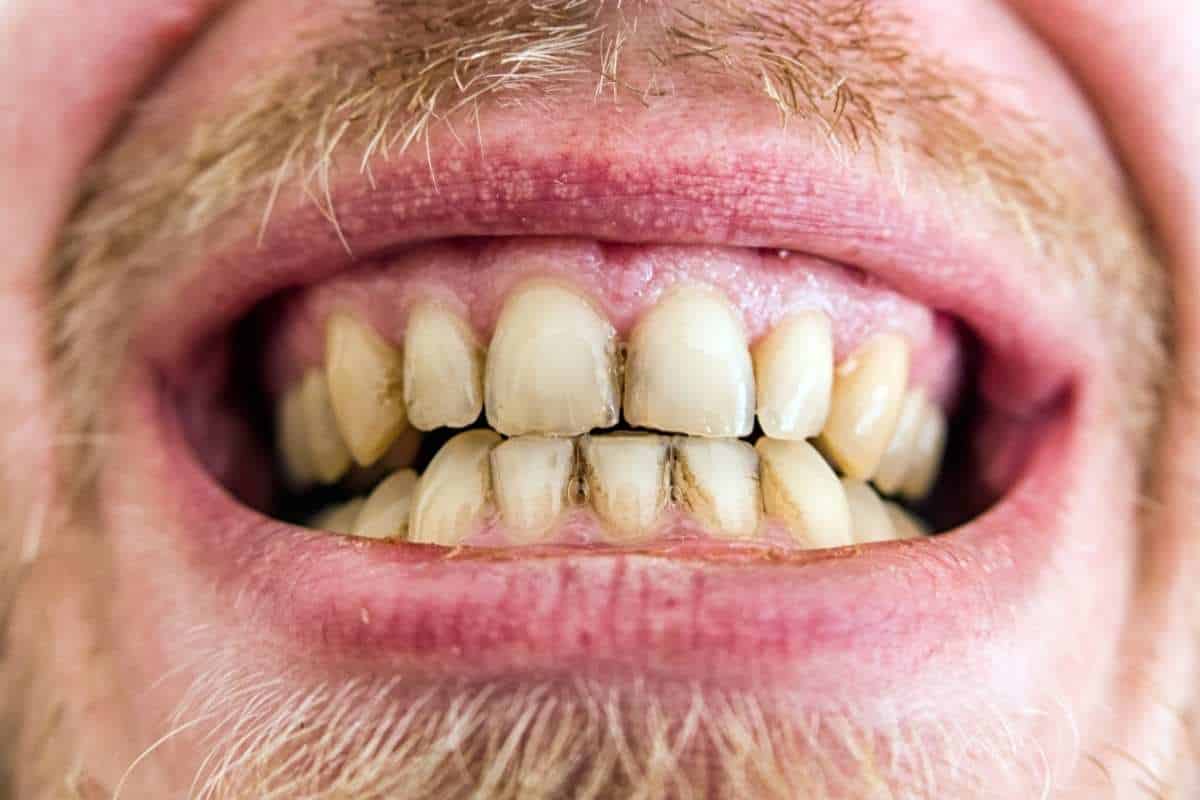
Plaque is one of the most common oral health issues, yet many people don’t fully understand its effects or how to manage it. Dr. Kyle Kromrey and our expert dental team educate patients about plaque, why it forms, and practical ways to prevent and remove it to maintain a healthy smile.
What Is Plaque?
Plaque is a sticky, colorless film of bacteria that constantly forms on your teeth. It develops when bacteria in your mouth mix with sugars and starches from the foods and drinks you consume. While it may appear harmless at first, plaque is highly damaging over time.
When plaque is not removed through proper brushing and flossing, it can harden into tartar—a tough, yellowish deposit that can only be removed by a professional dental cleaning. Plaque buildup contributes to:
- Tooth decay—Bacteria produce acids that erode tooth enamel.
- Gum disease – Plaque irritates gums, causing redness, swelling, and bleeding.
- Bad breath—Accumulation of bacteria creates an unpleasant odor.
- Staining—Plaque can trap pigments from food and drinks, causing discoloration.
Understanding plaque is the first step in maintaining a healthy mouth and preventing long-term dental issues.
How Does Plaque Form?
Plaque forms continuously and can develop within hours after eating. Sugary or starchy foods are particularly prone to promoting plaque buildup because bacteria feed on these substances and produce acid as a byproduct.
Other factors that accelerate plaque formation include:
- Inadequate oral hygiene—Skipping brushing or flossing allows plaque to accumulate.
- Dry mouth—Saliva helps neutralize acids; a dry mouth increases plaque risk.
- Smoking or tobacco use—Tobacco products encourage bacterial growth.
- Misaligned teeth—Hard-to-reach areas are more prone to plaque buildup.
Even with a routine dental hygiene regimen, some areas require professional attention to keep plaque under control.
Effective Ways to Remove Plaque
The good news is that plaque is preventable and manageable with consistent oral care. Here are tips recommended by Dr. Kyle Kromrey, a dentist in Lake Worth:
- Brush twice a day—use a soft-bristled toothbrush and fluoride toothpaste. Pay attention to all tooth surfaces, including the front, back, and chewing surfaces.
- Floss daily—flossing removes plaque and food particles from areas your toothbrush can’t reach.
- Use an antibacterial mouthwash—this helps reduce bacteria that contribute to plaque and gum disease.
- Eat a balanced diet—limit sugary and starchy foods, and consume plenty of water to wash away food particles.
- Chew sugar-free gum—chewing stimulates saliva production, which naturally helps fight plaque.
- Regular professional cleanings—Even with perfect home care, tartar can still form. Dental cleanings at Palms Dental Care remove tartar and protect your gums from disease.
Why Regular Dental Visits Matter
Plaque that hardens into tartar is impossible to remove with home care alone. Regular checkups allow Dr. Kromrey and our team to:
- Assess the overall health of your teeth and gums.
- Remove tartar and plaque buildup before it leads to cavities or gum disease.
- Offer personalized advice to improve your daily oral hygiene routine.
- Detect early signs of oral health issues, ensuring minimal interventions are needed.
Patients who commit to both daily home care and regular professional cleanings enjoy stronger teeth, healthier gums, fresher breath, and a more confident smile.
Preventing Plaque: Small Changes, Big Results
Even small adjustments in your oral care routine can significantly reduce plaque buildup:
- Brush for at least two minutes each session.
- Replace your toothbrush every three months or sooner if the bristles are frayed.
- Pay attention to the gumline, where plaque tends to accumulate.
- Consider using floss holders or water flossers for easier cleaning.
- Limit snacking between meals, especially sugary treats.
By taking these steps, you can dramatically reduce plaque formation, protect your teeth from decay, and keep your gums healthy.
Conclusion
Plaque may seem harmless at first, but left untreated, it can lead to cavities, gum disease, and other oral health problems. Consistent brushing, flossing, healthy eating, and professional dental cleanings are the most effective ways to control plaque and maintain a bright, healthy smile.
Book your appointment today or visit our dental office at 8918 Lantana Rd B, Lake Worth, FL 33467, and let Dr. Kyle Kromrey, your trusted dentist, and the team at Palms Dental Care help you fight plaque and achieve lasting oral health.