


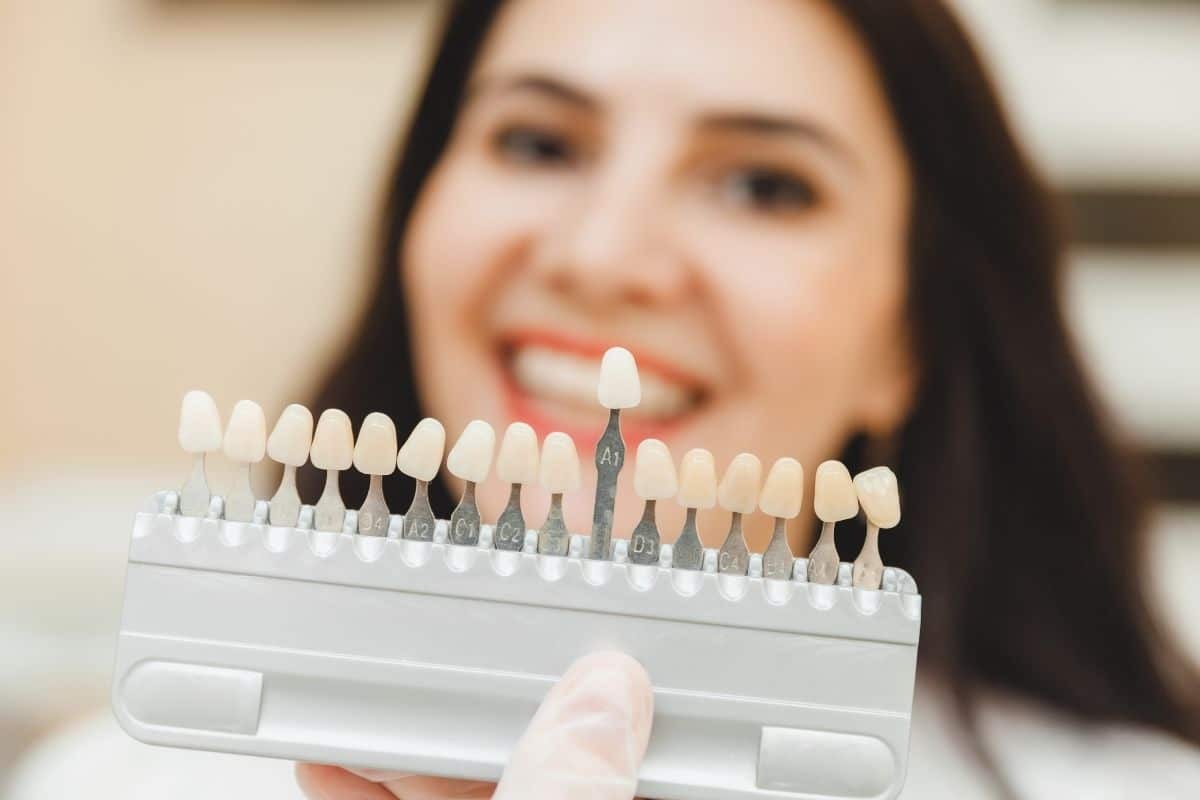
If you are considering veneers to improve the appearance of chipped, stained, uneven, or slightly spaced teeth, one of your first questions may be: how long do dental veneers last? It is a smart question because veneers are an investment in both your smile and your oral health.
In general, dental veneers can last about 10 to 15 years with proper care, although their lifespan varies from person to person. The material used, quality of placement, oral hygiene, bite forces, diet, and everyday habits can all affect how long veneers remain attractive and functional.
For patients considering cosmetic dentistry in Lake Worth, FL, understanding how veneers age and what you can do to protect them can help you make a confident decision.
Quick Answer
Dental veneers can typically last around 10 to 15 years when properly cared for. Good brushing and flossing, regular dental visits, avoiding habits such as biting hard objects, and protecting your teeth from excessive bite forces can help extend their lifespan. Eventually, veneers may require replacement because of normal wear, chipping, or other changes.
What Are Dental Veneers?
Dental veneers are thin, custom-made coverings bonded to the visible surfaces of teeth. They are designed to improve the appearance of your smile by addressing concerns such as discoloration, chips, gaps, and certain minor shape or alignment issues.
Unlike teeth whitening, which changes the color of natural teeth, veneers can change the appearance of tooth shape, size, color, and proportion. Your dentist will first determine whether veneers are appropriate based on your teeth, gums, bite, and cosmetic goals.
If you are exploring dental veneers treatment in Lake Worth, a consultation can help you understand the treatment process and whether veneers fit your needs.
What Affects How Long Dental Veneers Last?
There is no exact expiration date for veneers. Several factors can influence their longevity.
1. Your Oral Hygiene
Veneers themselves are resistant to decay, but the natural teeth underneath and around them still need protection. Plaque buildup can contribute to cavities and gum problems, which may affect the health of your smile and the areas surrounding your veneers.
Brush twice daily with a soft-bristled toothbrush, clean between your teeth every day, and continue routine professional cleanings.
2. Your Bite and Teeth Grinding
Excessive pressure can put stress on veneers. If you grind or clench your teeth, especially while sleeping, talk with your dentist about whether a custom nightguard may be appropriate.
Addressing grinding can help reduce unnecessary stress on both veneers and natural teeth.
3. Your Everyday Habits
Veneers are durable, but they are not indestructible. Using your teeth to open packages, bite fingernails, chew ice, or break hard objects can increase the risk of chipping or damage.
Simple changes in daily habits can make a meaningful difference over the years.
4. The Quality of Treatment
Proper planning, tooth preparation, bonding, and bite evaluation all matter. Your dentist also needs to select a veneer design and material that suit your individual smile.
At Palms Dental Care, the team emphasizes careful cosmetic treatment planning and high-quality materials to create natural-looking, durable results.
How to Make Your Veneers Last Longer
If you want to maximize the lifespan of your veneers, focus on protecting them just as you would your natural teeth.
Here are practical steps to follow:
- Brush twice a day using a soft-bristled toothbrush.
- Floss or clean between your teeth every day.
- Visit your dentist for regular examinations and professional cleanings.
- Avoid chewing ice and other very hard objects.
- Do not use your teeth as tools.
- Tell your dentist if you grind or clench your teeth.
- Wear a recommended nightguard if appropriate.
- Follow your dentist’s specific aftercare instructions.
- Contact your dental office if a veneer feels loose, rough, or damaged.
Good habits do more than protect veneers. They also help maintain healthy gums and the natural teeth supporting your smile.
Can Dental Veneers Chip or Break?
Yes. Although veneers are designed to be durable, they can chip, crack, loosen, or become worn over time. Excessive biting forces, accidents, teeth grinding, and hard foods or objects can increase the risk.
If a veneer becomes damaged, do not try to repair it yourself. Schedule a dental evaluation so your dentist can determine whether it can be repaired or needs replacement.
It is also important to remember that veneers are not a permanent restoration. Even with excellent care, they may eventually need to be replaced because of normal wear, damage, or changes in the surrounding teeth and gums.
What Is the Dental Veneer Process Like?
Veneer treatment is usually completed over multiple appointments. The first stage involves discussing your smile goals and examining your oral health. Your dentist may evaluate your teeth and gums, discuss veneer materials, and plan the desired shape and appearance.
Once treatment planning is complete, the teeth may be prepared and impressions or digital scans may be taken. Custom veneers are then fabricated before being carefully bonded to the teeth during the final appointment.
The exact number of appointments and treatment details depend on your individual case.
Are Veneers Worth the Investment?
For the right patient, veneers can be a long-lasting way to improve several cosmetic concerns at once. They may help create a more balanced smile by addressing issues such as discoloration, small chips, gaps, and certain minor irregularities.
However, veneers are not right for everyone. Active tooth decay or gum disease should generally be addressed before cosmetic treatment, and your dentist should also consider your bite and overall oral health. If you’re wondering whether veneers may be appropriate for your smile, you can learn more about the 10 signs you may be a good candidate for dental veneers.
A consultation is the best way to determine whether veneers make sense for your goals.
When Should You Schedule a Dental Visit?
If you notice sensitivity, discomfort, a rough edge, a crack, or movement around a veneer, schedule an examination rather than waiting for the problem to worsen.
You should also maintain regular dental visits even when your veneers look and feel normal. Professional examinations allow your dentist to monitor the veneers, gums, bite, and natural teeth over time.
For Lake Worth patients, Palms Dental Care provides cosmetic, preventive, and restorative dental services, allowing your oral health and cosmetic goals to be considered together.
FAQ Section
How long do dental veneers last?
Dental veneers can commonly last around 10 to 15 years with proper care. Their actual lifespan depends on factors such as oral hygiene, bite forces, teeth grinding, eating habits, and the condition of the teeth and gums. Regular dental visits can help your dentist monitor their condition and address potential concerns early.
Do veneers need to be replaced?
Eventually, veneers may need replacement. They are durable but are not considered permanent. Normal wear, chipping, cracking, loosening, or changes in the surrounding teeth and gums can affect their condition. Your dentist can determine when replacement is appropriate based on the health and appearance of your smile.
Can I eat normally with dental veneers?
Most patients can eat normally after their veneers have been properly placed and adjusted. However, it is wise to avoid chewing ice, biting very hard objects, or using your teeth to open packages. These habits can place unnecessary stress on veneers and natural teeth.
Can veneers stain over time?
Veneer materials are designed to resist staining, but the natural teeth around them can still change color. If you are considering whitening, discuss it with your dentist before treatment because whitening does not change the color of existing veneers. Your dentist can help coordinate your cosmetic treatment plan.
Are dental veneers permanent?
No. Dental veneers are considered a long-lasting cosmetic treatment rather than a permanent one. They may last many years with proper care, but replacement can eventually be necessary. Veneer treatment may also involve irreversible removal of a small amount of enamel, so a thorough consultation is important before proceeding.
Conclusion
So, how long do dental veneers last? With proper care, veneers can often last approximately 10 to 15 years, but individual results vary. Maintaining good oral hygiene, attending regular dental appointments, avoiding damaging habits, and managing teeth grinding can help you get the most from your investment.
If you are considering veneers or want to learn whether they are suitable for your smile, Palms Dental Care can help you understand your options and develop a personalized treatment plan in Lake Worth, FL. To schedule a consultation, call +1 5619349885.
A healthier smile starts with informed decisions and understanding how to care for your veneers is an important part of protecting your results for years to come.
Choosing a dentist is easier when you can learn more about the practice and other patients’ experiences. Want to stay informed about dental tips, office announcements, and updates from Palms Dental Care? See what local patients are saying to explore recent updates and patient reviews on Google.
