

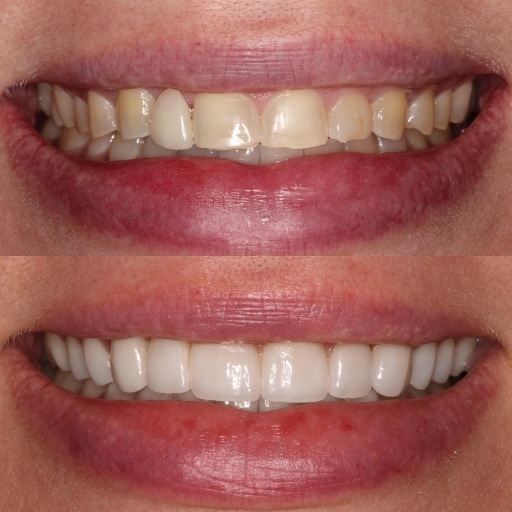
Dental veneers have become a popular solution for individuals looking to improve their smile’s appearance. They offer a versatile way to address various dental imperfections, providing a natural-looking and durable result. If you’re considering dental veneers, it’s essential to understand how they work and why you might need them. Here’s a comprehensive guide to dental veneers and their benefits.
What Are Dental Veneers?
Dental veneers are thin, custom-made shells typically crafted from porcelain or composite resin. They are designed to cover the front surface of your teeth to enhance their appearance. Veneers can be used to address a range of cosmetic issues, including discoloration, chips, gaps, and misalignment.
How Do Dental Veneers Work?
The process of getting dental veneers usually involves several steps:
1. Consultation and Planning
The first step is a consultation with your dentist. During this visit, you will discuss your goals and expectations, and the dentist will evaluate your oral health to determine if veneers are suitable for you. They may take X-rays and impressions of your teeth.
2. Tooth Preparation
To prepare your teeth for veneers, your dentist will remove a small amount of enamel from the front surface of the teeth. This is usually less than a millimeter and is necessary to ensure that the veneers fit properly and look natural. In some cases, local anesthesia may be used to minimize discomfort.
3. Impressions
After the teeth are prepared, your dentist will take impressions of your teeth. These impressions are sent to a dental lab, where your custom veneers will be fabricated. This process can take a couple of weeks, and you may be given temporary veneers to protect your teeth in the meantime.
4. Fitting and Bonding
Once your permanent veneers are ready, your dentist will check their fit and color to ensure they match your natural teeth. The veneers are then bonded to your teeth using a special adhesive. A curing light may be used to harden the adhesive, securing the veneers in place.
5. Final Adjustments
After the veneers are bonded, your dentist may make final adjustments to ensure a comfortable bite and perfect fit. They will also polish the veneers to give them a natural shine.
Why Do You Need Dental Veneers?
Dental veneers can address a variety of cosmetic and functional dental issues. Here are some common reasons why you might need veneers:
1. Discoloration
Teeth can become discolored due to various factors such as smoking, drinking coffee or wine, taking certain medications, or simply aging. Veneers can cover severe stains and provide a bright, uniform color that teeth whitening treatments might not achieve.
2. Chipped or Cracked Teeth
Minor chips and cracks can affect the appearance and strength of your teeth. Veneers can conceal these imperfections, restoring the tooth’s appearance and protecting it from further damage.
3. Gaps Between Teeth
If you have small gaps or spaces between your teeth, veneers can close them, giving you a more uniform and aesthetically pleasing smile.
4. Misaligned or Irregularly Shaped Teeth
Veneers can correct minor misalignments and irregularly shaped teeth, offering an alternative to braces for minor adjustments. They can create a more symmetrical and balanced smile.
5. Worn Down Teeth
Teeth can wear down over time due to grinding (bruxism) or other factors. Veneers can restore the length and shape of worn-down teeth, improving both appearance and function.
Benefits of Dental Veneers
Dental veneers offer several advantages, making them a popular choice for smile enhancement:
1. Natural Appearance
Veneers are designed to mimic the natural translucency and color of your teeth, providing a realistic and attractive result.
2. Durability
Porcelain veneers are particularly durable and can last 10 to 15 years or longer with proper care. Composite resin veneers may have a slightly shorter lifespan but are still a durable option.
3. Stain Resistance
Porcelain veneers are resistant to staining from foods and beverages, helping you maintain a bright smile over time.
4. Minimally Invasive
The preparation required for veneers is minimal compared to other restorative options like crowns, preserving more of your natural tooth structure.
5. Versatility
Veneers can address multiple cosmetic issues simultaneously, making them a versatile solution for enhancing your smile.
Caring for Your Veneers
Proper care and maintenance are essential to ensure the longevity of your veneers:
- Maintain Good Oral Hygiene: Brush and floss regularly to prevent decay and gum disease.
- Avoid Hard Foods: Be cautious with hard foods like nuts and ice, which can chip or damage veneers.
- Limit Staining Agents: Minimize the consumption of staining foods and drinks like coffee, tea, and red wine.
- Regular Dental Check-Ups: Visit your dentist regularly for cleanings and check-ups to ensure your veneers and overall oral health are maintained.
Conclusion
Dental veneers are a highly effective and versatile cosmetic dentistry solution that can dramatically enhance your smile. Whether you’re dealing with discoloration, chips, gaps, or minor misalignments, veneers offer a natural-looking and durable option. By understanding how veneers work and why you might need them, you can make an informed decision and take the first step toward achieving the smile you’ve always wanted. Consult with a qualified dentist to explore your options and start your journey to a brighter, more confident smile.