

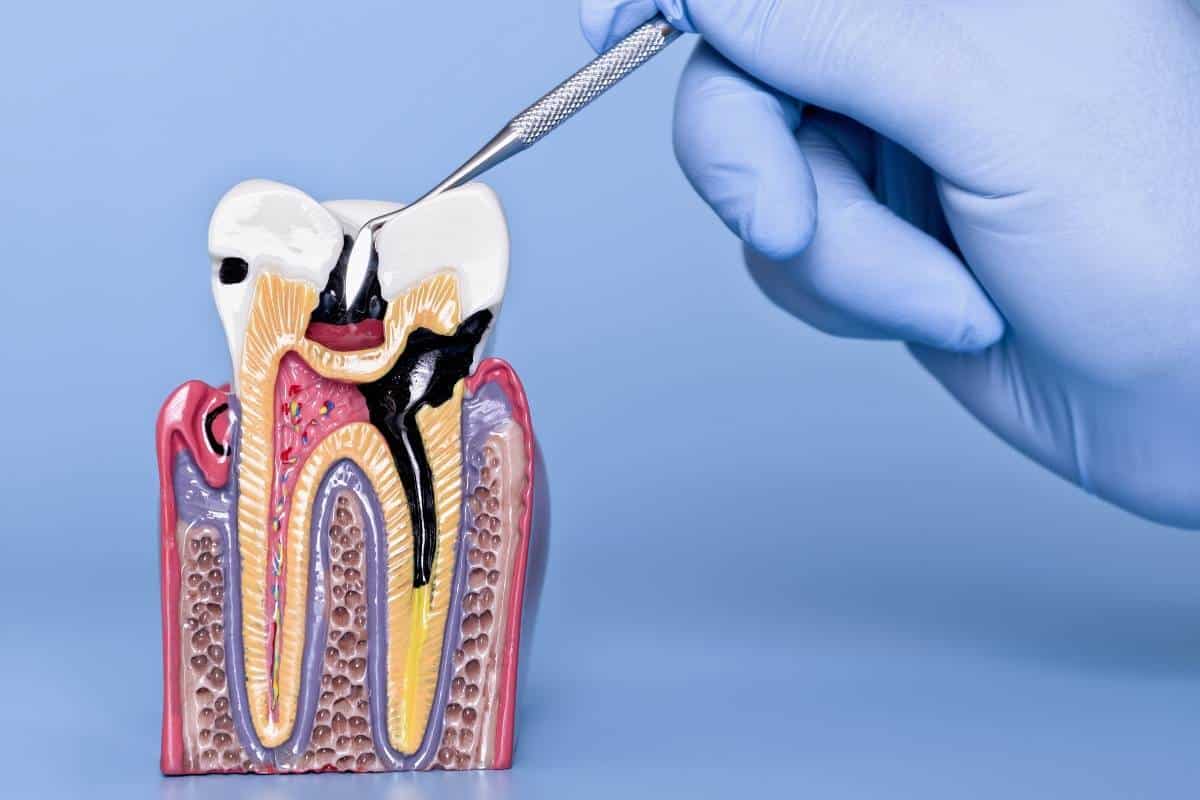
A toothache can often be brushed off as something minor, but when pain lingers or becomes severe, it could be a sign of a deeper problem—an infection within the tooth itself. The culprit? The dental pulp, a soft tissue inside your tooth that houses nerves, blood vessels, and connective tissue. When this inner part becomes inflamed or infected, timely professional care is crucial to save the tooth and prevent further complications.
In this blog, we’ll explore what happens when the dental pulp is damaged, the symptoms to watch for, and the modern treatments dentists use to restore your oral health.
Understanding the Dental Pulp
The dental pulp sits in the center of each tooth, extending from the crown down to the root. It plays an essential role during tooth development by supplying nutrients and creating dentin (the hard tissue beneath the enamel). Once a tooth is fully developed, however, it can survive without the pulp because surrounding tissues continue to nourish it.
When bacteria invade the pulp—often through deep cavities, cracks, or trauma—an infection or inflammation can occur, leading to pulpitis. If left untreated, the infection can spread to the root tip, jawbone, or even other parts of the body.
Common Causes of Pulp Damage
Several factors can lead to pulp infection or inflammation, including:
- Untreated tooth decay: Deep cavities allow bacteria to reach the pulp.
- Dental trauma: A cracked or chipped tooth can expose the inner layers.
- Repeated dental procedures: Extensive work on a tooth can irritate the pulp.
- Large fillings or crowns: When restorative materials are placed too close to the nerve, they may cause inflammation.
Recognizing these causes early and addressing them promptly is key to preventing irreversible damage.
Symptoms of an Infected or Damaged Pulp
An infected dental pulp often produces distinct and uncomfortable symptoms. You may experience:
- Persistent tooth pain or sensitivity to hot and cold
- Swelling or tenderness in nearby gums
- Darkening or discoloration of the affected tooth
- Pain when chewing or biting
- A recurring pimple-like bump on the gums (indicating an abscess)
If you notice any of these signs, it’s important to see a professional immediately. A dentist in Lake Worth, FL, can perform diagnostic imaging and tests to determine whether the pulp is infected and what level of treatment is needed.
How Dentists Treat an Infected Tooth
1. Root Canal Therapy (Endodontic Treatment)
The most common treatment for an infected dental pulp is a root canal. This procedure involves removing the diseased pulp, cleaning and disinfecting the inside of the tooth, and sealing it to prevent reinfection. Modern root canal therapy is virtually painless and highly successful in saving natural teeth.
Here’s how it works:
- Diagnosis and anesthesia: The dentist numbs the area and takes X-rays to assess the infection.
- Pulp removal: A small opening is made in the crown, and the infected pulp tissue is removed.
- Cleaning and shaping: The inner canals are disinfected and shaped for filling.
- Sealing and restoration: The canals are filled with a rubber-like material, and a permanent restoration—usually a crown—is placed for strength and function.
2. Pulp Capping (For Mild Cases)
When the pulp is exposed but not yet infected, your dentist may recommend a pulp capping procedure. This involves placing a protective dressing over the pulp to promote healing and avoid a root canal.
3. Tooth Extraction (Severe Damage)
In rare cases where the tooth structure cannot be saved, tooth extraction may be the only option. However, dentists usually recommend replacing the lost tooth with an implant or bridge to maintain oral health and function.
Prevention: Protecting the Health of Your Dental Pulp
While treatments are effective, prevention is always better. To keep your pulp and overall oral health in good shape:
- Brush twice daily with fluoride toothpaste
- Floss regularly to prevent plaque buildup
- Avoid chewing hard objects like ice or pens
- Schedule routine dental checkups and cleanings
- Treat cavities and cracks early before they reach deeper layers of the tooth
Consistent care and early intervention can save you from painful infections and more complex dental procedures down the road.
When to See a Dentist
Don’t ignore prolonged tooth pain or sensitivity. These are your body’s way of signaling that something is wrong beneath the surface. The earlier you seek treatment, the better your chances of saving your natural tooth and avoiding costly restorative work.
Restore Your Oral Health Today
If you’re struggling with persistent tooth pain, swelling, or sensitivity, don’t wait for it to worsen. Our experienced dental team specializes in diagnosing and treating damaged dental pulp with advanced, comfortable techniques. We’re dedicated to preserving your natural smile and helping you achieve lasting oral health.
Visit at 8918 Lantana Rd B, Lake Worth, FL 33467, or schedule your appointment online to get the expert care your smile deserves!