

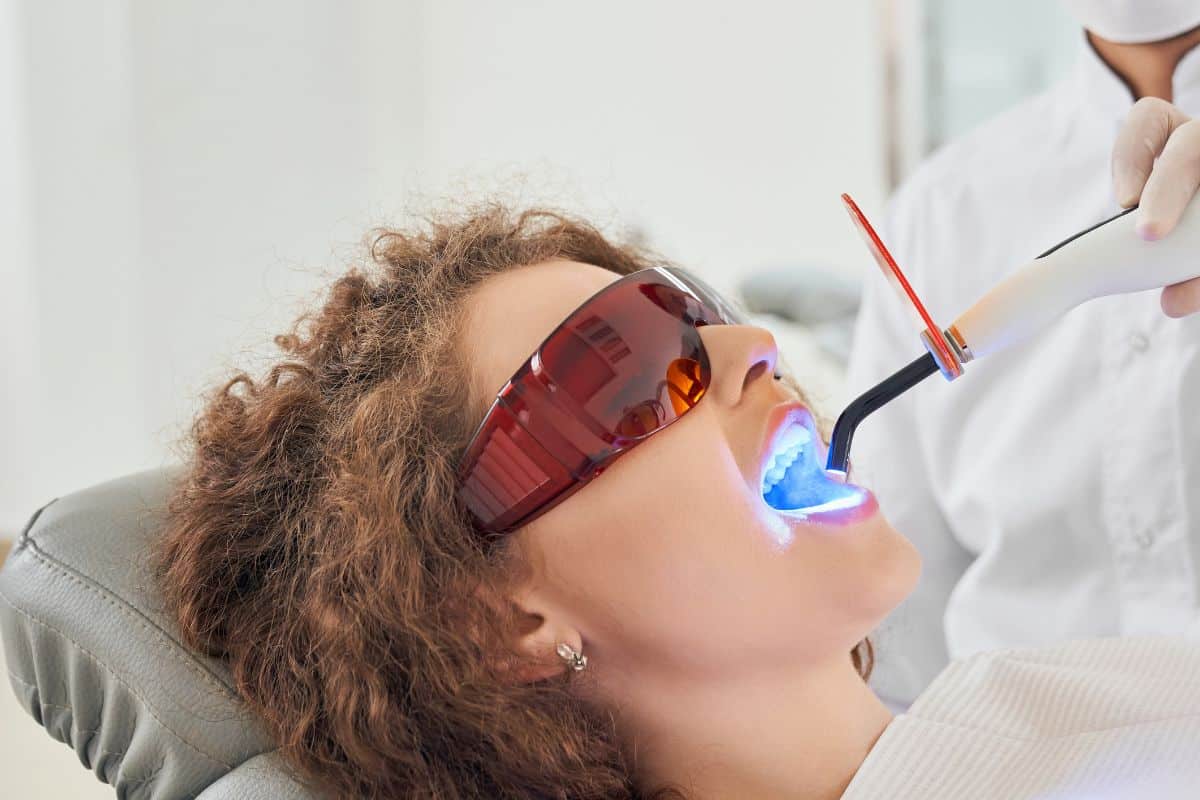
White marks on teeth, also known as white spots or demineralization spots, can be caused by several factors, including poor oral hygiene, a high intake of sugary or acidic foods, or even excessive fluoride use. These spots often stand out against the natural color of your teeth, affecting the look of your smile. Fortunately, there are various ways to reduce or eliminate white marks from your teeth, both at home and with professional dental treatments. Here’s what you need to know.
1. Use a Remineralizing Toothpaste
One of the most common causes of white marks on teeth is the loss of minerals from the tooth enamel. Remineralizing toothpaste can help restore these minerals, reducing the appearance of white spots over time. Look for toothpaste that contains fluoride, calcium, and phosphates to help strengthen enamel.
Tips for Using Remineralizing Toothpaste:
- Brush twice daily, focusing on areas with white spots.
- Avoid rinsing immediately after brushing to allow the minerals more time to settle on the teeth.
2. Consider Fluoride Treatments
If you’re dealing with more noticeable white spots, an in-office fluoride treatment from your dentist can help. These treatments provide a higher concentration of fluoride than regular toothpaste, which can help re-mineralize areas where enamel has weakened.
Benefits of Fluoride Treatments:
- Strengthens enamel, reducing white spots.
- Helps prevent new spots from forming.
- Is quick and non-invasive, making it an easy preventive measure.
3. Microabrasion Treatment
Microabrasion is a gentle cosmetic treatment that removes a thin layer of enamel from the tooth’s surface, which can minimize or even eliminate white spots. This treatment is typically done in a dental office and is safe and effective for removing surface stains and marks.
What to Expect with Microabrasion:
- A small amount of the enamel surface is carefully buffed away.
- Typically takes just one visit to see a significant improvement.
- Works best for mild to moderate white spots.
4. Professional Whitening Treatments
Professional teeth whitening is another option to help even out the color of your teeth. This can reduce the contrast between white marks and the rest of your tooth, making them less noticeable. However, in some cases, whitening can initially make white spots more noticeable before they start to blend with the surrounding tooth color.
Advantages of Professional Whitening:
- Quick results with noticeable changes after a single session.
- Whitening gels used by professionals are more effective than over-the-counter options.
- Can brighten the entire smile while reducing the appearance of white marks.
5. Consider Dental Veneers
For persistent or severe white spots that don’t respond to other treatments, dental veneers may be an option. Veneers are thin porcelain shells that cover the front surface of your teeth, effectively hiding white spots and creating a smooth, uniform appearance.
Key Points About Veneers:
- Veneers are custom-made to match the color and shape of your teeth.
- They provide a long-lasting solution for white spots and other cosmetic issues.
- This is a more permanent option and may require enamel removal.
Preventing White Spots on Teeth
To avoid white spots on your teeth, consider these preventive measures:
- Maintain proper oral hygiene: Brush twice daily with fluoride toothpaste and floss regularly.
- Limit acidic and sugary foods: These can contribute to enamel erosion and lead to white spots.
- Use fluoride products responsibly: Overuse of fluoride, especially in children, can sometimes cause white spots.
- Rinse with water after eating: This helps wash away acids and sugars that can damage enamel.
White marks on teeth can be bothersome, but you don’t have to live with them permanently. By using at-home products or consulting your dentist for professional treatments, you can restore your smile and improve the look of your teeth. Whether you choose a simple remineralizing toothpaste or opt for veneers, your dentist can guide you through the best options for your unique needs.