

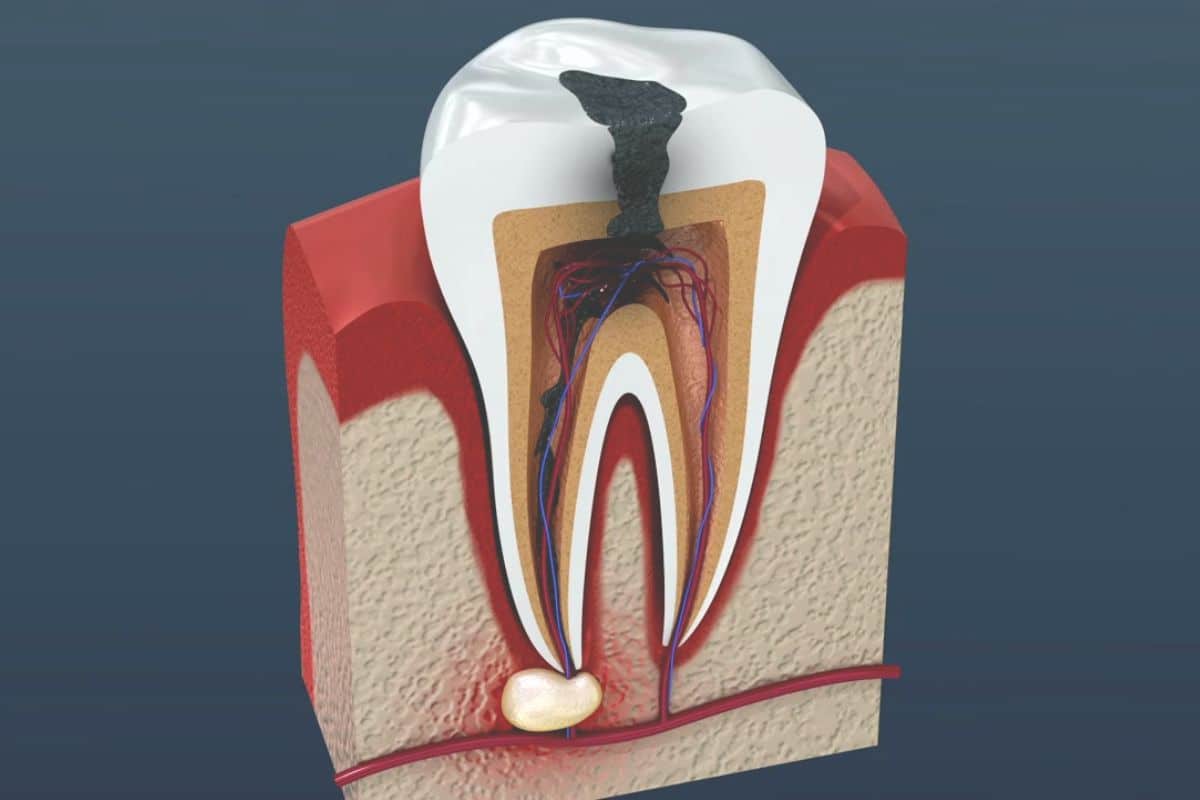
When a tooth undergoes a root canal, it is often to save the tooth from infection or severe decay that has reached the inner pulp. While root canal therapy is highly effective in preserving a tooth, there are instances where it may not succeed in the long term. In such cases, a root canal retreatment might be necessary to address complications that arise after the initial procedure. But can root canal retreatment save a tooth with severe decay? Let’s explore this topic in detail to help you understand when retreatment might be the best option and how it works.
What Is Root Canal Retreatment?
Root canal retreatment is a procedure performed when a previous root canal fails, leading to persistent infection or discomfort. During the initial root canal, the infected pulp inside the tooth is removed, and the canal is cleaned, shaped, and sealed. However, in some cases, the tooth may not heal as expected, or new infection can occur months or even years after the initial treatment.
Retreatment involves reopening the tooth to access the root canal, removing the filling material, cleaning the canals again, and resealing the tooth to prevent future infection. The goal is to save the natural tooth from extraction, especially if the tooth has severe decay that could otherwise lead to its loss.
Can Root Canal Retreatment Save a Tooth with Severe Decay?
Yes, root canal retreatment can save a tooth with severe decay, but its success depends on several factors, such as the extent of the decay, the integrity of the tooth structure, and how well the tooth responds to retreatment. Let’s break down these factors:
1. Extent of Decay
If the decay has extended deep into the tooth, affecting the surrounding bone or other structures, root canal retreatment may become more complex. However, if the tooth is still structurally sound and the decay is limited to the interior of the tooth or areas that can be treated, retreatment can be highly effective. In some cases, a dental crown may be necessary to protect the tooth after retreatment, as it reinforces the tooth and prevents further damage.
2. Previous Root Canal Issues
Sometimes the original root canal treatment may have left infected tissue behind or failed to seal the canals properly. This could be due to complex tooth anatomy, missed canals, or even reinfection after the procedure. Root canal retreatment allows the dentist to remove the old filling material and thoroughly clean the canal system, addressing any issues that were missed during the initial treatment. This gives the tooth another chance to heal properly.
3. Tooth Structure Integrity
For root canal retreatment to be successful, the tooth must have enough structure remaining to be functional after the procedure. If severe decay has destroyed much of the tooth, it may be too fragile to withstand retreatment. However, if the remaining structure is still viable, retreatment can often restore the tooth’s health. In many cases, a dentist will place a crown on the tooth after retreatment to provide added strength and protection.
How Does Root Canal Retreatment Work?
The process of root canal retreatment is similar to the initial root canal procedure but involves additional steps to address any issues that arise after the first treatment. Here’s what you can expect during root canal retreatment:
- Reopening the Tooth: The dentist will first reopen the tooth by removing any crowns, fillings, or other restorations placed after the initial root canal.
- Removing Old Filling Material: Once the tooth is open, the dentist will remove the previous root canal filling material to gain access to the canals.
- Cleaning the Canals: The canals will be thoroughly cleaned to remove any remaining infection, debris, or decay. This step is crucial for eliminating bacteria that may have caused reinfection.
- Filling the Canals: After cleaning, the canals are reshaped, disinfected, and filled with new material to seal them off from future infection.
- Restoring the Tooth: Once the root canals are filled, the tooth will be restored with a new filling or crown to protect it from further damage.
Why Might a Root Canal Fail in the First Place?
It’s important to understand why some root canals fail and lead to the need for retreatment. The following are some common reasons:
- Missed Canals: Some teeth have complex canal systems with extra canals that may not be discovered during the first procedure, leaving infection behind.
- Inadequate Sealing: If the canals are not properly sealed, bacteria can re-enter the tooth, causing reinfection.
- Delayed Crown Placement: After a root canal, it’s important to protect the tooth with a crown, especially if it is a molar. Delaying this step can weaken the tooth and lead to further decay or infection.
- New Infection: Even after a successful root canal, new decay or cracks in the tooth can allow bacteria to re-enter, causing infection that needs to be addressed.
Signs You May Need Root Canal Retreatment
If you’ve had a root canal and are experiencing any of the following symptoms, it may be time to consult your dentist about retreatment:
- Persistent pain or discomfort in the treated tooth.
- Swelling or tenderness in the gums around the tooth.
- Discoloration of the tooth.
- Sensitivity to hot or cold temperatures.
If any of these symptoms occur, it’s important to see your dentist right away to prevent further complications.
What If Retreatment Isn’t an Option?
In cases where root canal retreatment is not feasible due to extensive decay or damage, alternative treatments may be considered. One option is an apicoectomy, a minor surgical procedure that removes the tip of the root to eliminate infection. In more severe cases, the tooth may need to be extracted and replaced with a dental implant or bridge.
Root canal retreatment can be a highly effective way to save a tooth with severe decay, particularly if the tooth’s structure is still viable and the decay hasn’t spread too extensively. It provides a second chance to eliminate infection and restore the tooth’s function without resorting to extraction. If you’re experiencing issues after a root canal or suspect that your tooth may need retreatment, consult with your dentist to discuss your options.
By catching the problem early and pursuing retreatment, you can preserve your natural tooth and avoid the need for more invasive procedures like tooth extraction or implants.