


A small chip, uneven edge, or worn-looking tooth can change the way your entire smile looks. Even when the tooth is healthy, you may find yourself hiding it when you smile or wondering whether there is a cosmetic solution that can make it look more balanced.
For certain cosmetic concerns, veneers for chipped teeth can be an option. Dental veneers are thin, custom-made coverings that are bonded to the front surface of a tooth to improve its appearance. If you’re considering treatment, exploring cosmetic veneers in Lake Worth can help you understand how veneers may address chips, uneven shapes, discoloration, and other smile concerns.
But veneers aren’t automatically the right choice for every chipped or worn tooth. The condition of the tooth, your bite, your oral health, and the amount of tooth structure remaining all matter. Here’s what to know before deciding.
Quick Answer
Yes, veneers can conceal and improve the appearance of certain chipped teeth, particularly when the damage is primarily cosmetic and the tooth has enough healthy structure to support a veneer. Veneers can also improve uneven tooth shapes and some worn-looking front teeth. However, larger fractures, weakened teeth, decay, or other underlying problems may require bonding, a crown, or restorative treatment instead.
How Do Veneers Help With Chipped Teeth?
A veneer covers the visible front surface of a tooth. Rather than simply filling the chipped area, the custom restoration can be shaped to create a more even-looking tooth.
For example, a veneer may be considered when you have:
- A small or moderate cosmetic chip
- An uneven front tooth edge
- A tooth that looks shorter than neighboring teeth
- A worn or irregular tooth shape
- Discoloration that accompanies the cosmetic concern
- Several teeth with different shapes or proportions
The goal is not simply to cover a defect. Your dentist also considers how the treated tooth should look in relation to the surrounding teeth and your overall smile.
Palms Dental Care describes veneers as cosmetic coverings that can help address chips, gaps, discoloration, and changes in tooth shape, length, contour, and position.
Can Veneers Improve Uneven Teeth?
They can, depending on what is causing the uneven appearance.
Sometimes a tooth is naturally smaller, shorter, misshapen, or slightly irregular compared with the teeth around it. A veneer can change the visible shape and proportions of that tooth, creating a more uniform appearance.
However, veneers don’t physically move teeth into a new position. If the underlying concern is significant crowding, a bite problem, or more substantial misalignment, orthodontic treatment such as clear aligners may be more appropriate.
This distinction is important: veneers primarily change the appearance of the tooth rather than correcting every underlying structural or bite problem.
What About Worn Teeth?
Worn teeth can be more complicated.
Teeth may become worn from normal aging, grinding or clenching, certain habits, or other factors. If the wear is minor and the main concern is appearance, cosmetic treatment may be considered. But your dentist should first determine why the teeth are wearing down.
For someone who regularly grinds or clenches their teeth, simply placing veneers without addressing the underlying problem may not be the best approach. The American Dental Association notes that people who clench or grind their teeth, or have certain bite concerns, may not be good candidates for veneers.
That is why a consultation should include more than simply choosing a veneer shade. Your dentist needs to evaluate the health, structure, and function of your teeth.
Are Veneers Always the Best Choice for a Chipped Tooth?
No. A chipped tooth can have several possible treatment options.
Dental Bonding
For a small cosmetic chip, dental bonding may be enough. Bonding uses tooth-colored composite material to rebuild or reshape part of a tooth. It can often be completed relatively quickly and is generally less involved than veneer treatment.
Dental Veneers
Veneers may be considered when you want to improve the appearance of a front tooth or several teeth and the teeth are otherwise suitable for cosmetic treatment.
Dental Crowns
A crown is different from a veneer because it covers much more of the tooth. If a tooth is significantly weakened or damaged, a crown may provide the coverage and protection needed.
The important point is that the size of a chip alone doesn’t determine the treatment. Your dentist needs to look at the tooth as a whole.
Who May Be a Candidate for Veneers?
Veneers are generally considered after existing oral health problems have been addressed. If you’re wondering whether veneers may be appropriate for your smile, reviewing the signs you may be a good candidate for dental veneers can help you understand some of the factors dentists consider before treatment.
Your dentist may evaluate:
- Tooth decay
- Gum health
- Existing restorations
- Tooth strength and remaining structure
- Bite and tooth contact
- Tooth wear
- Clenching or grinding habits
- Your cosmetic goals
- Your expectations for treatment
The ADA recommends treating issues such as tooth decay or gum disease before veneer placement because veneers should not be used to cover an unhealthy foundation.
This evaluation also gives you an opportunity to discuss alternatives. You may discover that bonding, orthodontics, whitening, a crown, or another approach better matches your needs.
What Is the Veneer Process Like?
The exact process depends on the type of veneer and your individual treatment plan.
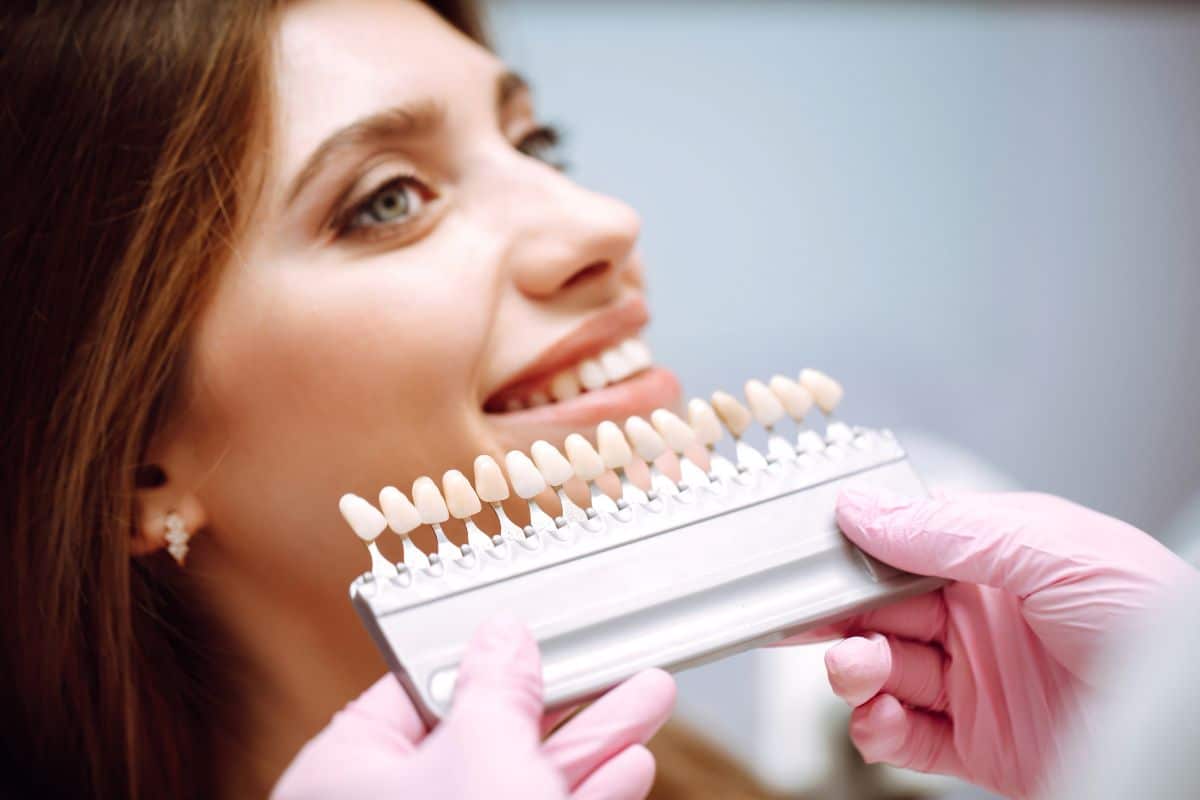
For porcelain veneers, the process generally involves evaluating the tooth, discussing your desired appearance, preparing the tooth as needed, and creating a custom restoration using an impression or digital scan. The veneer is then checked for fit and appearance before it is bonded to the tooth.
Palms Dental Care states that veneer treatment typically involves consultation and preparation, custom fabrication, followed by bonding and polishing of the veneers.
Because veneers can involve removal of some natural enamel and are not considered reversible, it’s worth taking time to understand the treatment before proceeding.
How Should You Care for Veneers?
Veneers still require normal oral hygiene. They don’t make the teeth underneath immune to cavities or gum problems.
Helpful habits include:
- Brush twice daily with fluoride toothpaste.
- Clean between your teeth every day.
- Attend routine dental examinations and cleanings.
- Avoid using your teeth to open packages.
- Avoid chewing particularly hard objects.
- Discuss a mouthguard with your dentist if you grind or clench your teeth.
- Protect your teeth during activities where a mouth injury is possible.
The ADA also recommends avoiding habits that can damage veneers, such as biting fingernails or chewing on hard objects.
When Should You See a Dentist About a Chipped Tooth?
A chipped tooth isn’t always just a cosmetic issue.
If a chip is accompanied by significant pain, sensitivity, swelling, bleeding, or a large amount of missing tooth structure, don’t assume that a veneer is the answer. A dentist should examine the tooth to determine whether there is deeper damage.
Severe chips can expose sensitive inner tooth structures and may require restorative treatment rather than cosmetic coverage.
Even when a chip doesn’t hurt, an evaluation can help determine whether smoothing, bonding, a veneer, or another treatment makes sense.
Frequently Asked Questions
Can veneers completely fix a chipped tooth?
Veneers can improve the appearance of many cosmetically chipped front teeth, but they don’t repair every type of tooth damage. A severely damaged or weakened tooth may require a different restoration, such as a crown.
Are veneers good for worn-down teeth?
They may be an option for certain cosmetic cases involving worn teeth. However, the cause and severity of the wear need to be evaluated first, particularly if grinding or clenching is involved.
Is dental bonding better than veneers for a small chip?
It depends on the tooth and your goals. Bonding can be a practical option for some minor chips, while veneers may be considered when you want broader cosmetic changes to the tooth or smile. Your dentist can explain the differences during an examination.
Are dental veneers permanent?
Veneers are considered a long-term cosmetic treatment, but they are not permanent. They can eventually become damaged or require replacement. Some types also require removal of natural enamel, which means the decision should be considered carefully.
Can I get veneers if my teeth aren’t healthy?
Existing problems such as decay or gum disease generally need to be addressed before cosmetic veneer treatment. A dental examination is important to determine whether your teeth and gums are ready for veneers.
Conclusion
If you’re dealing with chipped, uneven, or worn-looking teeth, veneers may offer one way to improve the visible appearance of your smile. They can be particularly useful for certain cosmetic concerns involving the front teeth, but they’re not a universal solution.
The right treatment depends on the condition of your teeth, your bite, your oral health, and what you want to change. In some cases, bonding or another restorative treatment may make more sense.
If you’re considering veneers in Lake Worth, FL, Palms Dental Care can evaluate your smile and discuss the available cosmetic options. A personalized consultation can help you understand what treatment may be appropriate for your teeth, including its benefits, limitations, and alternatives. You can also see what local patients are saying on Google as you research your options.
Call Palms Dental Care at 561-934-9885 or visit the practice at 8918 Lantana Rd., Ste B, Lake Worth, FL 33467 to discuss your smile goals and treatment options.
