

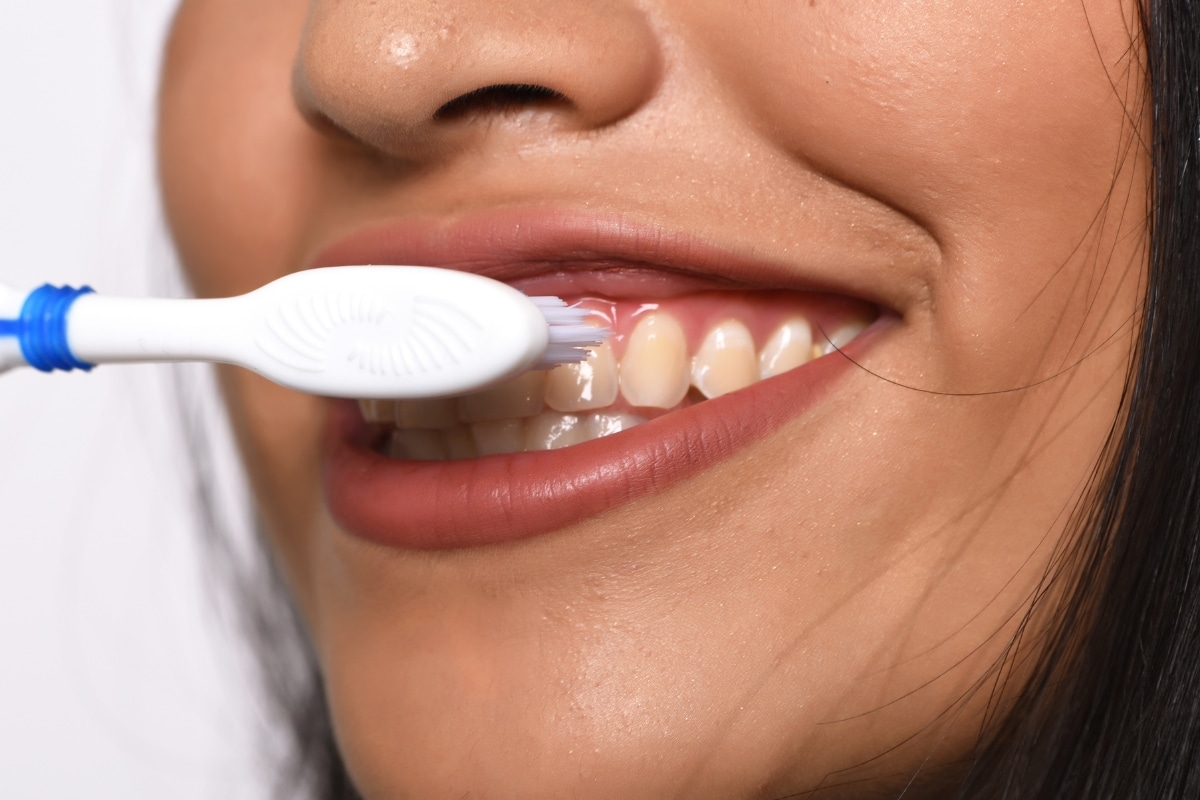
Bleeding gums can be alarming—especially when it happens during something as routine as brushing your teeth. While occasional bleeding may seem harmless, it’s often your body’s way of signaling that something isn’t quite right with your oral health.
At Palms Dental Care in Lake Worth, FL, we frequently see patients concerned about bleeding gums. The good news? In most cases, this issue is treatable—and even preventable—with the right care and guidance.
Let’s explore why your gums may bleed when brushing, what it means, and how you can restore a healthy, confident smile.
Is It Normal for Gums to Bleed When Brushing?
Healthy gums should not bleed during brushing or flossing. If you notice pink in the sink or on your toothbrush, it’s typically a sign of inflammation or irritation.
While occasional bleeding may occur if you’ve recently started flossing or changed your oral hygiene routine, persistent bleeding is often linked to underlying dental concerns that should not be ignored.
Common Causes of Bleeding Gums
Understanding the root cause is the first step toward effective treatment. Here are the most common reasons your gums may bleed:
1. Gingivitis (Early Gum Disease)
The leading cause of bleeding gums is gingivitis, the earliest stage of gum disease. It develops when plaque—a sticky film of bacteria—builds up along the gumline.
Symptoms include:
- Red, swollen gums
- Bleeding during brushing or flossing
- Bad breath
If left untreated, gingivitis can progress into more serious periodontal disease.
2. Poor Oral Hygiene
Inconsistent brushing and flossing allow plaque and tartar to accumulate, irritating the gums and leading to bleeding.
Even if you brush daily, improper technique or skipping flossing can contribute to gum inflammation.
3. Brushing Too Hard
Using a hard-bristled toothbrush or applying excessive pressure can damage delicate gum tissue.
Switching to a soft-bristled toothbrush and gentle circular motions can significantly reduce irritation.
4. Flossing Habits (or Lack Thereof)
If you’ve just started flossing after a long break, your gums may bleed initially. This is normal and should improve within a week as your gums become healthier.
However, continued bleeding may indicate gum disease.
5. Medications
Certain medications—especially blood thinners—can increase the likelihood of bleeding gums.
If you’re taking medications and experiencing gum bleeding, it’s important to discuss this with your dentist.
6. Hormonal Changes
Hormonal fluctuations during pregnancy, menstruation, or menopause can make gums more sensitive and prone to bleeding.
7. Vitamin Deficiencies
A lack of essential nutrients like vitamin C and vitamin K can weaken gum tissue and increase bleeding risk.
8. Smoking and Tobacco Use
Tobacco products impair blood flow to the gums, weaken the immune system, and increase the risk of gum disease—leading to bleeding.
Why You Shouldn’t Ignore Bleeding Gums
Bleeding gums are often the first warning sign of gum disease. If untreated, this condition can progress to periodontitis, which may result in:
- Gum recession
- Bone loss
- Loose teeth
- Tooth loss
Additionally, gum disease has been linked to systemic health conditions like heart disease and diabetes, making early intervention crucial.
Treatment Options for Bleeding Gums
The right treatment depends on the underlying cause. At Palms Dental Care, we offer personalized care to address your specific needs.
1. Professional Dental Cleaning
A thorough cleaning removes plaque and tartar buildup that brushing alone can’t eliminate. This is often the first step in treating gingivitis.
2. Improved Oral Hygiene Routine
We may recommend:
- Brushing twice daily with a soft-bristle toothbrush
- Flossing once daily
- Using an antibacterial mouthwash
Our team will guide you on proper brushing and flossing techniques.
3. Scaling and Root Planing
For more advanced gum disease, deep cleaning procedures like scaling and root planing help remove bacteria below the gumline and promote healing.
4. Lifestyle and Dietary Changes
Improving your diet and quitting smoking can have a significant impact on gum health.
Focus on foods rich in:
- Vitamin C (citrus fruits, leafy greens)
- Calcium (dairy products, almonds)
5. Medication Management
If medications are contributing to bleeding gums, we’ll work with your healthcare provider to find suitable solutions.
Tips to Prevent Bleeding Gums
Prevention is always better than treatment. Here are some simple steps to keep your gums healthy:
- Brush gently twice a day
- Floss daily
- Use fluoride toothpaste
- Replace your toothbrush every 3–4 months
- Stay hydrated
- Avoid tobacco products
- Visit your dentist regularly
When Should You See a Dentist?
You should schedule a dental visit if:
- Your gums bleed regularly
- You notice swelling or redness
- You have persistent bad breath
- Your gums are receding
Early diagnosis can prevent more serious complications and help you maintain a healthy smile.
Why Choose Us?
At Palms Dental Care, we take a patient-centered approach to oral health. Our experienced team provides comprehensive dental care in a comfortable and welcoming environment.
We use advanced technology and personalized treatment plans to ensure optimal results for every patient. Whether you’re dealing with mild gum irritation or advanced periodontal concerns, we’re here to help you every step of the way.
Take the First Step Toward Healthier Gums
Bleeding gums are not something to ignore—but they are something you can treat. With the right care and professional support, you can restore your gum health and protect your smile for years to come.
Schedule your appointment today and visit our dental office at 8918 Lantana Rd B, Lake Worth, FL 33467.
FAQs
1. Why do my gums bleed even when I brush gently?
Even gentle brushing can cause bleeding if your gums are inflamed due to plaque buildup or early gum disease, like gingivitis
2. Can bleeding gums go away on their own?
Mild cases may improve with better oral hygiene, but persistent bleeding requires professional dental care.
3. Are bleeding gums a sign of serious disease?
It can be an early sign of gum disease. If untreated, it may progress to more severe conditions like periodontitis.
4. What is the fastest way to stop bleeding gums?
Improving oral hygiene, using a soft toothbrush, and scheduling a professional cleaning are the most effective steps.
5. When should I worry about bleeding gums?
If bleeding occurs frequently, lasts more than a week, or is accompanied by swelling or pain, you should see a dentist promptly.