

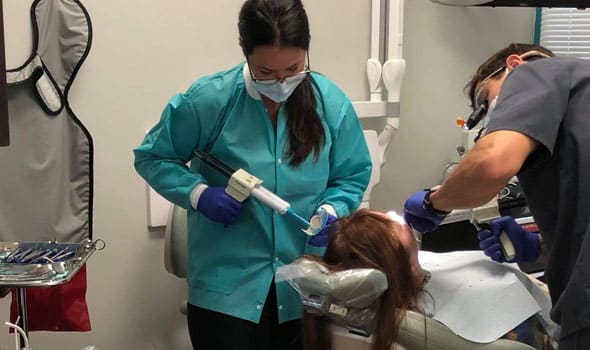
Periodontal disease, also known as gum disease, affects millions of people worldwide. It is a serious condition that can lead to tooth loss if left untreated. Fortunately, there is an effective treatment available for this disease – periodontal treatment. In this blog post, we will explore the procedure involved in periodontal treatment and the benefits it offers patients. We will also discuss how to maintain good oral health after undergoing this treatment. So sit back and get ready to learn all about one of the most important dental procedures you may ever need!
What is Periodontal Treatment?
Periodontal treatment is a set of procedures that are aimed at preventing, diagnosing, and treating gum diseases. Gum disease, or periodontitis, is caused by bacteria that infect the gums surrounding the teeth. If left untreated, this can lead to bone and tooth loss.
The first step in periodontal treatment is a comprehensive evaluation by a dentist or periodontist. This includes examining your teeth, gums, and overall oral health history to determine if you have any symptoms or underlying risk factors for gum disease.
Once diagnosed with gum disease, the next step will be planning out appropriate treatment options to best meet your needs. Treatment may include scaling and root planing (deep cleaning), antibiotic therapy, and surgery in severe cases, among others.
It’s important to note that early detection of gum disease increases the chances of successful treatment outcomes while decreasing long-term dental costs associated with more advanced stages of the disease.
In conclusion, periodontal treatment entails multiple procedures tailored towards protecting one from bacterial infection around their teeth, leading to healthy bones anchored deep within their roots, ensuring they maintain well-settled natural teeth throughout their lifetime without experiencing complications like tooth decay, which is known for its adverse effects on general body health.
The Procedure of Periodontal Treatment
The procedure for periodontal treatment varies depending on the severity of the gum disease. Generally, it involves several steps that aim to remove plaque and tartar buildup from above and below the gum line.
First, your dentist or periodontist will perform a thorough examination to assess your oral health status. They may take X-rays to check for bone loss or other damage that may not be visible during a regular dental exam.
Next, they will clean your teeth using scaling and root planing techniques. This involves removing plaque and tartar buildup from tooth surfaces as well as smoothing out rough spots on tooth roots where bacteria can accumulate.
In some cases, antibiotics may be prescribed to treat any underlying infections or reduce inflammation in the gums. Surgical procedures such as flap surgery or bone grafting may also be necessary in more advanced cases of periodontitis.
After treatment is complete, you’ll need to maintain good oral hygiene habits at home, including brushing twice a day with fluoride toothpaste and flossing daily. Follow-up appointments with your dentist will also be necessary to monitor your progress and make sure that the disease doesn’t return.
Undergoing periodontal treatment requires commitment, but it’s worth it for healthier gums and better overall oral health!
Benefits of Periodontal Treatment
Periodontal treatment is not just good for your oral health; it can also have positive effects on your overall well-being. Gum disease has been linked to a number of systemic conditions, such as heart disease, diabetes, and even cancer. By treating gum disease with periodontal therapy, you can potentially reduce the risk of developing these conditions.
Another benefit of periodontal treatment is that it can help improve the appearance of your smile. Gum disease often causes redness and swelling in the gums, which can make teeth look shorter or stubby. With proper treatment, however, swollen gums will become healthy again and recede back to their normal position, making teeth appear longer.
Moreover, periodontal treatment can also help protect your teeth from further damage caused by gum disease. When left untreated, gum disease weakens the bone structure that supports the teeth, causing them to loosen over time, eventually leading to tooth loss. Periodontal therapy helps strengthen this supportive bone structure so that your teeth stay firmly anchored in place.
Finally, yet importantly–getting rid of bad breath This unpleasant condition is usually caused by bacteria growing under layers of plaque buildup on the tongue or between our teeth and gums, where brushing doesn’t always reach easily. Periodontal therapy eliminates these hidden pockets full of bacteria from our mouths, helping us maintain fresh breath throughout the day and improving our self-confidence levels significantly!
Maintenance of Periodontal Treatment
Once you’ve undergone periodontal treatment, it’s important to maintain good oral hygiene habits to prevent a recurrence of gum disease. This includes daily brushing and flossing, as well as regular dental check-ups.
Your dentist may recommend using an antimicrobial mouthwash or toothpaste to help control bacteria in your mouth. They may also suggest scaling and root planing appointments every 3-6 months to remove any hardened plaque that has formed since your last cleaning.
It’s crucial to avoid smoking or using tobacco products, which can significantly increase your risk for gum disease and slow down the healing process after treatment. A healthy diet rich in fruits and vegetables can also support overall oral health.
If you notice any signs of recurring gum disease, such as bleeding gums or persistent bad breath, make sure to schedule an appointment with your dentist right away. Early detection is key to preventing further damage from occurring.
By following these simple steps and staying committed to maintaining good oral hygiene habits, you can enjoy the benefits of periodontal treatment for years to come.
Periodontal treatment is an essential dental procedure that helps prevent and treat gum diseases. It’s important to note that prevention is always better than cure, so it’s vital to practice good oral hygiene habits such as brushing twice a day, flossing daily, and visiting your dentist regularly.
If you’re experiencing any signs of gum disease or have been diagnosed with one, don’t hesitate to seek professional help from a qualified dentist. The earlier the diagnosis and treatment, the higher the chances of preventing serious complications associated with advanced stages of gum disease.
Remember that periodontal treatment not only improves your oral health but also enhances your overall well-being by reducing the risk of other systemic diseases linked with poor dental health.
So take care of your gums today for a healthier smile tomorrow!