


A tooth doesn’t always need to hurt constantly to have a problem. Sometimes, a small crack, a worn-down surface, or discomfort when biting can signal that a tooth needs more protection than a regular filling can provide. Recognizing these changes early can help you understand when it’s time to schedule a dental examination.
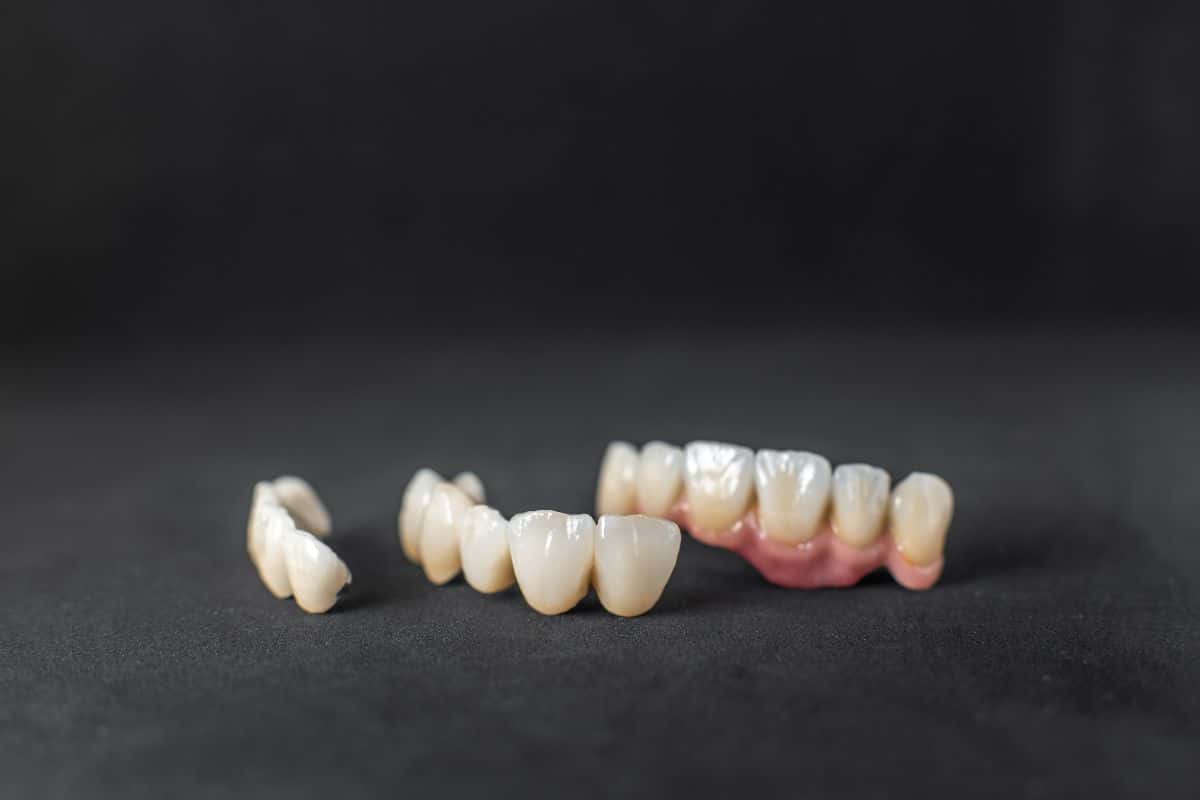
A dental crown is a tooth-shaped covering that fits over a damaged or weakened tooth to restore its shape, strength, and function. If you’re researching dental crowns in Lake Worth, understanding the warning signs can help you have a more informed conversation with your dentist about your treatment options.
So, how do you know if you might need one? Here are eight signs to watch for and what they could mean for your oral health.
Quick Answer: What Are the Signs You Need a Dental Crown?
Common signs you may need a dental crown include a cracked or broken tooth, a large filling that no longer provides enough support, pain when chewing, persistent sensitivity, severe tooth decay, a worn-down tooth, a tooth weakened after root canal treatment, or an existing crown that is loose or damaged. Only a dental examination can determine whether a crown is appropriate.
8 Signs You May Need a Dental Crown
1. Your Tooth Is Cracked or Fractured
A crack in a tooth can develop from biting hard foods, an injury, teeth grinding, or years of normal wear. Some cracks are difficult to see without a dental examination, and you may notice symptoms before you can identify the problem yourself.
You might experience:
- Sharp pain when biting down or releasing your bite
- Discomfort that comes and goes
- Sensitivity to hot or cold foods and drinks
- A visible crack or chipped area
Depending on the crack’s location, depth, and severity, a dentist may recommend a crown to help protect the remaining tooth structure. However, not every crack can be treated with a crown. A fracture extending deep below the gum line may require a different approach.
2. You Have a Broken or Badly Chipped Tooth
A minor chip may only require smoothing or bonding. A larger break, especially one that exposes deeper tooth structure or compromises the tooth’s strength, may need more extensive restoration.
A dental crown can cover much of the visible tooth, restoring its shape and helping it withstand everyday chewing forces. The appropriate treatment depends on how much healthy tooth structure remains and whether the inner pulp is affected.
If a tooth breaks suddenly, avoid chewing on that side and arrange a dental evaluation. Significant pain, swelling, or bleeding deserves prompt attention.
3. You Have a Large Filling in Your Tooth
Fillings are useful for repairing cavities, but a tooth with a very large filling may have less natural structure left to support normal biting pressure.
Over time, the remaining tooth walls may become more vulnerable to cracking, particularly when the tooth experiences heavy chewing forces.
Your dentist may recommend a crown when the tooth needs additional coverage and support. Smaller cavities and teeth with adequate remaining structure may still be treated successfully with a filling or another conservative restoration.
The goal is to preserve as much healthy natural tooth structure as possible while choosing a restoration that suits the tooth’s condition.
4. You Feel Pain or Discomfort When Chewing
Pain when biting down can have several causes, including a cracked tooth, decay, a damaged filling, gum problems, or inflammation around the tooth’s root.
If the discomfort repeatedly occurs when you chew, don’t assume it will resolve on its own. A dentist can examine the tooth and determine what is causing the pain.
A crown may be recommended if the tooth is structurally weakened and needs protection. However, the source of the discomfort must be addressed first. Depending on the diagnosis, treatment might involve a filling, root canal therapy, bite adjustment, or another procedure instead.
5. Your Tooth Has Significant Decay
When tooth decay affects a large portion of a tooth, removing the damaged area may leave insufficient healthy structure for a conventional filling.
In these situations, a crown may help restore the tooth’s shape and function while covering the remaining weakened structure.
Signs of decay can include visible dark spots, sensitivity, food getting trapped in a cavity, or toothache. However, cavities sometimes develop without noticeable symptoms, so routine dental examinations remain important.
If decay has reached the tooth’s pulp, root canal treatment may be needed before the tooth is restored with a crown. The recommended sequence depends on the extent of the damage.
6. Your Tooth Is Sensitive to Hot, Cold, or Sweet Foods
Sensitivity can make everyday activities, such as drinking coffee or eating ice cream, uncomfortable. It may result from exposed roots, worn enamel, gum recession, tooth decay, a crack, or irritation inside the tooth.
Sensitivity alone does not mean you need a crown. A dentist must identify the cause before recommending treatment.
If sensitivity is persistent, worsening, or accompanied by pain when chewing, arrange an examination. A crown may be appropriate when the underlying problem involves a significantly weakened or damaged tooth, but other causes may need different treatments.
7. Your Tooth Is Worn Down or Weakened After Root Canal Treatment
Teeth can gradually wear down from grinding, clenching, acid erosion, or years of chewing. When substantial tooth structure is lost, restoring the tooth’s shape and protecting what remains may become necessary.
A tooth that has undergone root canal treatment may also need a crown, particularly when it has lost considerable structure due to decay, previous restorations, or the treatment itself. This is often a consideration for back teeth, which handle substantial chewing forces.
Not every root canal-treated tooth automatically requires a crown. Your dentist will consider the tooth’s location, remaining structure, and risk of fracture when recommending the final restoration.
8. Your Existing Dental Crown Is Loose, Cracked, or Damaged
Dental crowns can become loose, chip, crack, or develop problems around their edges. You may notice movement, an unusual bite, discomfort, or food repeatedly getting caught near the crown.
A damaged crown should be evaluated rather than ignored. The dentist will assess both the crown and the underlying tooth to determine whether the restoration can be repaired, recemented, or needs replacement.
If your crown comes off, keep it in a safe container and contact your dental office for instructions. Do not use household glue or attempt to permanently attach it yourself.
Dental Crown vs. Filling: How Do You Know Which You Need?
The main difference is how much of the tooth needs restoration.
A filling repairs a specific area of damage, usually caused by a cavity. A crown covers the visible portion of a tooth to restore its shape and provide support when more extensive damage or weakening is present.
Your dentist may consider:
- A filling: When the damaged area is relatively small and enough healthy tooth structure remains.
- A crown: When the tooth is extensively damaged, weakened, cracked in a treatable way, or needs more complete coverage.
- Another treatment: When the tooth has a problem that requires a different approach, such as treatment for infection or a fracture that cannot be predictably restored.
If you’re also exploring cosmetic treatment, read about veneers vs. dental crowns to understand how these restorations differ. Veneers primarily cover the front surface of selected teeth for cosmetic improvement, while crowns cover more of the tooth and can provide structural protection.
What Happens During a Dental Crown Evaluation?
At your appointment, your dentist will review your symptoms, examine the affected tooth, and may take dental X-rays if needed. Imaging can help identify decay, assess the tooth’s roots, and evaluate issues that may not be visible during a routine examination.
If a crown is appropriate, the treatment plan will depend on the tooth’s condition and the type of restoration selected. Your dentist will explain the preparation process, material options, expected timeline, and how to care for the restored tooth.
Ask questions about alternatives, expected longevity, cost, and whether any additional treatment is necessary before the crown is placed.
When Should You See a Dentist?
Don’t wait for severe pain before arranging an appointment if you suspect a crack, notice a broken tooth, or experience repeated discomfort while chewing.
Seek urgent dental care for significant pain, swelling, or a damaged tooth that is getting worse. Facial swelling accompanied by difficulty breathing or swallowing requires emergency medical attention.
While waiting for an appointment, avoid chewing hard foods on the affected side and continue gentle oral hygiene. These steps may help reduce additional irritation, but they do not replace professional evaluation.
Frequently Asked Questions
1. Can you need a dental crown without having pain?
Yes. A tooth can have significant decay, a large filling, or structural weakening without causing noticeable pain. Regular dental examinations can help identify problems before symptoms become obvious.
2. How do I know if I need a crown or just a filling?
The decision depends on the amount of damage and how much healthy tooth structure remains. A filling may be sufficient for a small cavity, while a crown may be recommended when the tooth needs more extensive coverage and support. Your dentist can assess the tooth and discuss suitable options.
3. Does every cracked tooth need a dental crown?
No. Minor cracks may need monitoring or a more conservative restoration, while other cracks may require a crown to protect the tooth. Deep fractures can sometimes make a tooth unsuitable for restoration. Treatment depends on the location and severity of the crack.
4. How long does a dental crown last?
A crown’s lifespan varies depending on its material, fit, oral hygiene, chewing habits, and exposure to grinding or clenching. Brushing twice daily, cleaning between your teeth, attending dental checkups, and addressing teeth grinding can help maintain the restoration.
5. Can a dental crown save a badly damaged tooth?
A crown can restore and protect some badly damaged teeth when enough healthy structure remains to support the restoration. If damage extends too far below the gum line or the tooth has a severe fracture, other treatments may be necessary. A dental examination is needed to assess whether the tooth can be restored.
Protect Your Smile With the Right Dental Treatment
Recognizing the signs you need a dental crown can help you take action when a tooth becomes damaged, weakened, or uncomfortable. A crack, large filling, recurring chewing pain, or failing crown deserves attention, even if the symptoms seem manageable.
At Palms Dental Care in Lake Worth, Florida, a dental evaluation can help determine what’s causing your symptoms and whether a crown, filling, or another treatment is appropriate. If you’re concerned about a damaged tooth, explore our dental crown and bridge services and contact the practice to discuss scheduling an appointment.
You can also see patient reviews on Google to learn more about other patients’ experiences with the practice.
The right treatment starts with understanding what’s happening with your tooth and choosing an approach that supports your long-term oral health.
