


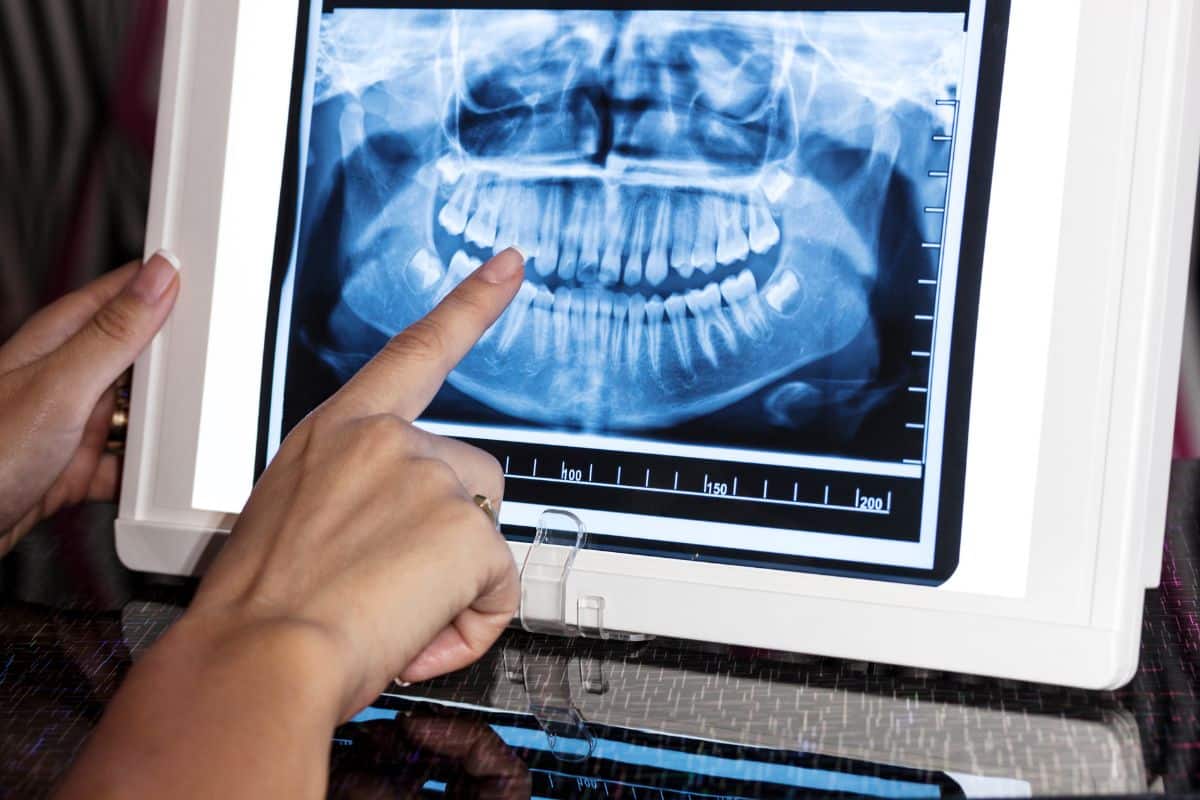
A sudden toothache, a chipped tooth, or swelling around your gums can leave you wondering what is happening beneath the surface. Sometimes, a dental examination provides enough information to identify the problem. In other cases, your dentist may recommend an X-ray to investigate what cannot be seen during a visual examination.
Emergency dental X-rays help dentists evaluate certain problems involving tooth roots, surrounding bone, and areas beneath the gums. They can be especially useful after a dental injury or when symptoms suggest a problem that needs further investigation.
If you are experiencing unexpected dental pain or have injured a tooth, visiting an emergency dentist in Lake Worth can help you understand what is causing your symptoms and which next steps may be appropriate.
But does every dental emergency require an X-ray? Not necessarily. The decision depends on your symptoms, examination findings, dental history, and the type of injury or condition being evaluated.
Quick Answer: When Are Emergency Dental X-Rays Needed?
Emergency dental X-rays may be recommended when a dentist needs to investigate tooth pain, suspected fractures, dental injuries, swelling, possible infections, or damage affecting tooth roots and surrounding bone. Imaging helps reveal problems that may not be visible during a routine examination. However, not every dental emergency requires an X-ray; the dentist determines whether imaging is necessary based on the individual situation.
Why Are Dental X-Rays Important During an Emergency?
A dental emergency can involve more than what you see in the mirror. A tooth might look relatively normal even when its root or the surrounding bone has been injured. Similarly, a damaged filling may be visible, but the extent of the underlying problem may require further evaluation.
Dental X-rays produce images of structures inside the mouth that cannot be examined directly. Depending on the situation, they may help a dentist:
- Examine tooth roots and surrounding bone.
- Look for certain infections or changes around a tooth’s root.
- Evaluate suspected fractures or injuries.
- Identify decay between teeth or beneath existing restorations.
- Assess whether a tooth has been displaced or damaged following trauma.
- Plan appropriate treatment based on the examination and imaging findings.
An X-ray is only one part of the diagnostic process. Your dentist will also consider your symptoms, examine the affected area, and determine whether additional testing is needed.
5 Situations When Emergency Dental X-Rays May Be Needed
1. Severe or persistent tooth pain
Tooth pain can have several causes, including deep decay, inflammation inside the tooth, a crack, or an infection around the root.
An X-ray may help identify certain underlying problems, particularly when the source of pain is not obvious during the examination. However, early inflammation or some cracks may not appear clearly on a dental X-ray.
Your dentist may also test the tooth’s sensitivity, examine your gums, and ask when the pain started and what makes it worse.
2. A broken, cracked, or chipped tooth
Not every chipped tooth requires an X-ray. A small chip limited to the outer surface may be assessed through a visual examination.
Imaging may become more useful if the injury is extensive, the tooth is painful, or the dentist suspects damage involving the root or supporting bone.
If you have broken a tooth, avoid chewing on that side. Save any recovered tooth fragment if possible, and contact a dental professional for guidance.
3. A knocked-out or displaced tooth
A tooth that has been knocked out or pushed out of its normal position needs prompt dental attention. X-rays may help evaluate the tooth’s position, root condition, and possible injuries to nearby teeth or bone.
Time matters when a permanent tooth is completely knocked out. Hold it by the crown rather than the root, and avoid scrubbing it. If possible, keep it moist in milk or an appropriate tooth-preservation solution while seeking immediate dental care. Do not delay treatment to obtain an X-ray yourself.
Baby teeth should not be replanted. For a child with a knocked-out baby tooth, contact a dentist promptly.
4. Swelling, suspected infection, or a dental abscess
Swelling around a tooth or gum may indicate an infection, although other conditions can cause similar symptoms.
An X-ray may help the dentist look for changes around a tooth’s root or identify a possible dental source of infection. However, an early infection may not produce visible changes on an X-ray, so a normal image does not always rule out a problem.
Facial swelling, fever, worsening pain, or pus should be evaluated promptly. Difficulty breathing or swallowing, or rapidly spreading swelling, requires emergency medical attention.
5. A damaged filling, crown, or other restoration
A loose crown, broken filling, or damaged restoration can expose sensitive tooth structures or allow further damage.
Depending on the symptoms and examination findings, an X-ray may help identify decay beneath a restoration or evaluate the remaining tooth structure and root. The dentist will decide whether imaging is needed before recommending a repair, replacement, or other treatment.
What Happens During an Emergency Dental X-Ray?
Dental X-rays are generally quick, and the process depends on the type of image required.
- The dentist examines your symptoms. You will be asked about the pain, injury, swelling, or other concerns.
- The appropriate image is selected. A small intraoral X-ray may focus on one or a few teeth, while a panoramic image can show a broader view of the jaws.
- The image is taken. You may be asked to remain still while the equipment captures the image.
- The dentist reviews the findings. The results are considered alongside your examination and symptoms to help determine the next steps.
Dental X-rays use ionizing radiation, so dentists follow radiation-safety principles and use imaging when the expected diagnostic benefit justifies it. Tell your dental team if you are pregnant or think you may be pregnant so they can consider the appropriate precautions.
Are Emergency Dental X-Rays Always Necessary?
No. A dentist should recommend imaging based on clinical need rather than automatically ordering it for every emergency.
For example, a minor chip may be assessed visually, while persistent unexplained pain or a significant dental injury may require an X-ray. The type of image also matters: a focused dental X-ray may provide the necessary information without requiring a broader scan.
If your dentist recommends imaging, ask what they are looking for and how the result could affect your treatment plan. If you have recent dental images, let the dental team know; they can determine whether those images are adequate or whether new ones are needed.
What Should You Do Before Your Emergency Dental Appointment?
While arranging an appointment, take practical steps to protect the affected area:
- For a toothache: Gently rinse with warm water and avoid foods that trigger pain.
- For a broken tooth: Avoid chewing on the damaged side and keep the area clean.
- For swelling: Seek prompt dental assessment. Do not place aspirin directly against the tooth or gums.
- For a knocked-out permanent tooth: Handle it by the crown, keep it moist, and seek immediate dental care.
- For severe symptoms: Do not wait for an appointment if you have difficulty breathing or swallowing or rapidly spreading facial swelling.
If you want to reduce the risk of future dental problems, you can also explore guidance on how to prevent common dental emergencies. Good daily oral hygiene, protective equipment during contact sports, and avoiding chewing hard objects can help reduce some preventable dental injuries, although emergencies cannot always be avoided.
Frequently Asked Questions
1. Can a dentist identify a tooth infection with an X-ray?
An X-ray may reveal changes around a tooth’s root or surrounding bone that suggest infection. However, early infections may not be visible on an X-ray, so dentists also consider symptoms and examination findings.
2. Do emergency dental X-rays hurt?
Taking a dental X-ray is generally painless. Positioning the image receptor may cause temporary discomfort if your mouth is already sore or injured, but the imaging itself does not involve drilling or cutting.
3. Are dental X-rays safe during a dental emergency?
Dental X-rays use a small amount of ionizing radiation. Dentists use them when clinically justified and follow appropriate safety precautions. Tell your dentist if you are pregnant or may be pregnant so they can assess your imaging needs.
4. Can I have a cracked tooth even if my X-ray looks normal?
Yes. Some cracks are difficult to see on conventional dental X-rays, especially when they are small or do not align with the image. Your dentist may use additional examination methods to evaluate the tooth.
5. Should I wait for an X-ray before seeking emergency dental care?
No. Seek dental care promptly if you have severe pain, a significant tooth injury, or concerning swelling. A dentist can determine whether an X-ray is necessary. Difficulty breathing or swallowing requires immediate emergency medical attention.
Get Help for a Dental Emergency in Lake Worth
Dental pain and injuries can be stressful, especially when you do not know what is causing the problem. Emergency dental X-rays can help reveal certain issues beneath the surface, but the right approach begins with an examination and an assessment of your symptoms.
If you are experiencing tooth pain, a broken tooth, or another urgent dental concern, contact Palms Dental Care in Lake Worth, Florida, to discuss your situation and arrange an evaluation. Your dental team can determine whether imaging is appropriate and explain the available treatment options.
