


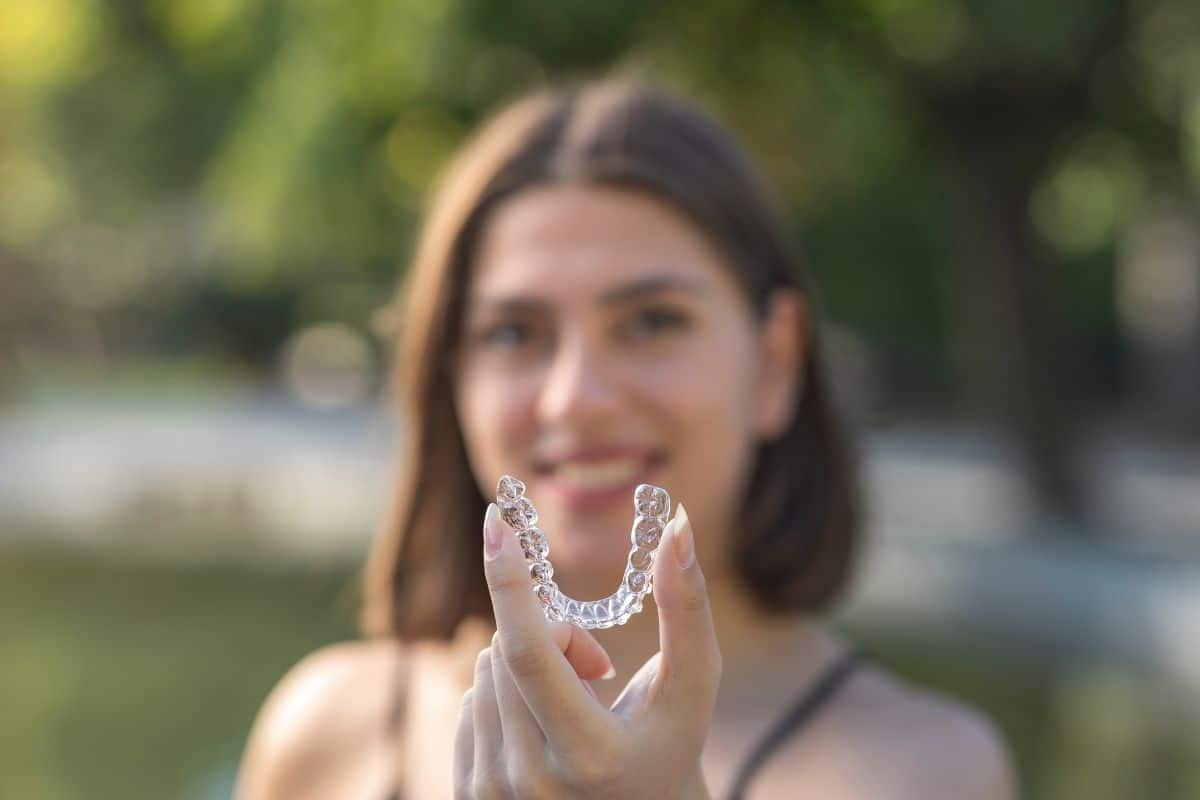
If you want a straighter smile but do not like the idea of wearing traditional metal braces, you may have another option. Invisalign uses a series of clear, removable aligners to gradually move teeth into a healthier, more even position.
For many patients, the benefits of Invisalign go beyond appearance. Clear aligners can make orthodontic treatment more convenient, easier to maintain, and less noticeable in everyday life. If you are considering treatment with a dental team in Lake Worth, FL, Palms Dental Care can help you understand whether Invisalign fits your smile goals. Patients looking for Invisalign in Lake Worth can discuss their concerns, treatment needs, and expectations during a dental consultation.
Quick Answer
The main benefits of Invisalign include a discreet appearance, removable aligners, easier oral hygiene, comfortable everyday wear, and fewer food restrictions than traditional braces. Invisalign can also correct several common alignment problems when treatment is planned and monitored by a qualified dental professional.
10 Benefits of Invisalign
1. Clear Aligners Are Less Noticeable
One of the biggest reasons adults and teens choose Invisalign is its discreet appearance. The aligners are made from clear material, so they are generally much less noticeable than metal brackets and wires.
This can be especially appealing if you work with the public, attend school, have an active social life, or simply want orthodontic treatment that does not draw attention to your smile.
2. You Can Remove the Aligners
Unlike traditional braces, Invisalign aligners are removable. You can take them out when eating, drinking certain beverages, brushing, and flossing.
This flexibility can make treatment easier to fit into your daily routine. However, aligners should generally be worn for the amount of time recommended by your dental professional each day for treatment to stay on track.
3. Oral Hygiene Is Easier
Keeping teeth clean is important during any orthodontic treatment. Brackets and wires can create additional areas where food and plaque collect, making brushing and flossing more challenging.
With removable aligners, you can take them out and clean your teeth normally. Good brushing, flossing, and regular dental cleanings remain essential throughout treatment.
4. Fewer Food Restrictions
Traditional braces may require patients to avoid certain hard, sticky, or chewy foods that could damage brackets or wires.
Because Invisalign aligners are removed before eating, you can generally continue enjoying a wider variety of foods. The key is to remove the aligners as instructed, eat normally, and clean your teeth before putting them back in.
5. Invisalign Can Be Comfortable for Many Patients
Invisalign aligners are custom-made to fit your teeth. As each new set gradually moves the teeth, you may notice pressure or mild soreness, particularly when starting a new aligner.
That pressure is expected as teeth move. Severe or persistent pain is not something you should simply ignore, so contact your dental provider if something feels unusually painful or if an aligner does not fit properly.
6. Treatment Can Fit a Busy Lifestyle
Dental and orthodontic care needs to work with your schedule. Invisalign can be convenient for patients who want a less noticeable treatment option without making major changes to their daily routine.
Follow-up appointments allow your dentist to monitor progress and make sure treatment is moving as planned. The exact appointment schedule depends on your individual treatment plan.
7. It Can Correct Common Alignment Problems
Invisalign may be used to address several common orthodontic concerns, depending on the patient’s needs and the complexity of the case.
Treatment may help improve issues such as:
- Crowded teeth
- Gaps between teeth
- Certain bite problems
- Mild to moderate tooth misalignment
- Teeth that have shifted after previous orthodontic treatment
If you are wondering whether clear aligners can address bite concerns such as an overbite, learning more about how Invisalign can fix overbites and other bite problems can help you understand what treatment may involve. Not every case is suitable for clear aligners, so a dental evaluation is important before deciding whether Invisalign is the right approach.
8. You Can See Your Smile Progress
With Invisalign, treatment involves a planned series of aligners. Each aligner is designed to make gradual changes to tooth position.
Seeing those changes over time can help patients stay motivated. Your dentist can also monitor your progress during follow-up visits and determine whether your treatment is progressing as expected.
9. There Are Fewer Visible Wires and Brackets
For some patients, the appearance of traditional braces is the biggest concern. Invisalign eliminates the need for the conventional metal brackets and wires associated with traditional braces.
This does not mean the treatment is invisible. The aligners are clear, but they can still be noticeable at close range. Their discreet appearance is simply one of the features many patients appreciate.
10. A Straighter Smile Can Support Long-Term Oral Health
Straightening teeth is not only about creating a more attractive smile. Properly aligned teeth may be easier to brush and floss effectively, which can support good oral hygiene.
A well-planned orthodontic treatment may also help improve certain bite-related concerns. However, the oral health benefits depend on the individual’s dental condition, alignment, bite, and overall care habits.
What Is the Invisalign Treatment Process Like?
If you are considering Invisalign, the first step is a dental evaluation. Your dentist will examine your teeth, gums, bite, and overall oral health before determining whether clear aligners are appropriate.
The process may include:
- Consultation and examination: Your dental provider reviews your smile and treatment goals.
- Treatment planning: Digital scans, photographs, or other diagnostic information may be used to plan tooth movement.
- Custom aligners: A series of clear aligners is created based on your treatment plan.
- Wearing the aligners: You wear each set according to your dentist’s instructions.
- Progress visits: Your dentist checks your progress and makes sure treatment remains on track.
- Retention: After active treatment, a retainer is typically recommended to help maintain your new tooth position.
Treatment time varies from person to person. The complexity of your case and how consistently you follow your treatment instructions can affect the overall timeline.
Are There Any Risks or Downsides?
Invisalign is not completely risk-free. Some patients experience temporary pressure, mild soreness, or gum irritation. The aligners can also become less effective if they are not worn as directed.
Poor oral hygiene during treatment can increase the risk of plaque buildup and tooth decay. It is also important to keep your aligners clean and follow your dentist’s instructions.
Most importantly, clear aligners are not the best choice for every orthodontic problem. A professional evaluation can help determine which treatment is safest and most effective for your individual needs.
How Much Does Invisalign Cost?
The cost of Invisalign varies based on factors such as the complexity of tooth movement, estimated treatment time, and the type of treatment required.
Insurance benefits, financing options, and other payment arrangements may also affect your out-of-pocket cost. Instead of relying on a general online price, ask your dental provider for an individualized estimate after your examination.
Caring for Your Smile During Invisalign Treatment
Your daily habits can make a meaningful difference during clear aligner treatment. Brush your teeth regularly, floss every day, clean your aligners as instructed, and attend recommended dental visits.
It is also important to remove your aligners before eating and avoid exposing them to very hot liquids unless your dental provider specifically advises otherwise. Store them safely whenever they are not in your mouth to reduce the risk of loss or damage.
FAQs
Is Invisalign better than traditional braces?
Neither option is automatically better for every patient. Invisalign offers clear, removable aligners and may be convenient for many people. Traditional braces may be more appropriate for certain complex tooth or bite problems. Your dentist can compare both options based on your specific needs.
How long does Invisalign treatment take?
Treatment time varies depending on the amount and type of tooth movement needed. Some cases may take less time, while more complex cases can take longer. Wearing aligners as directed and attending follow-up appointments can help keep treatment progressing as planned.
Can I eat normally while wearing Invisalign?
You should remove Invisalign aligners before eating. This allows you to enjoy your normal foods while reducing the risk of damaging or staining the aligners. After eating, brushing your teeth before replacing the aligners is recommended when possible.
Does Invisalign hurt?
You may experience mild pressure or soreness when beginning treatment or switching to a new set of aligners. This can happen because the aligners are designed to gradually move your teeth. Significant or persistent pain should be discussed with your dental provider.
Do I need a retainer after Invisalign?
Yes, retention is generally an important part of maintaining your results. Teeth can naturally shift after orthodontic treatment. Your dentist will recommend a retainer and explain how often you should wear it based on your individual needs.
Is everyone a candidate for Invisalign?
No. Invisalign can address many common alignment concerns, but it is not suitable for every patient or every type of bite problem. A dental examination is needed to determine whether clear aligners are an appropriate treatment option for your smile.
Conclusion
The benefits of Invisalign make clear aligner treatment an appealing choice for many patients who want a straighter smile without traditional metal braces. Its discreet appearance, removable design, easier oral hygiene, and everyday convenience can make orthodontic treatment easier to manage.
However, the right treatment depends on your teeth, bite, oral health, and smile goals. If you are considering Invisalign in Lake Worth, FL, schedule a consultation with Palms Dental Care to discuss your options and determine whether clear aligners are right for you.
Call Palms Dental Care at +1 5619349885 to schedule an appointment and take the next step toward a healthier, straighter smile.
Choosing a dentist is easier when you can learn more about other patients’ experiences. Want to keep up with dental tips, office updates, and information from Palms Dental Care? View patient reviews and updates to learn more about local patients’ experiences and stay informed about helpful dental information and recent practice news.
