


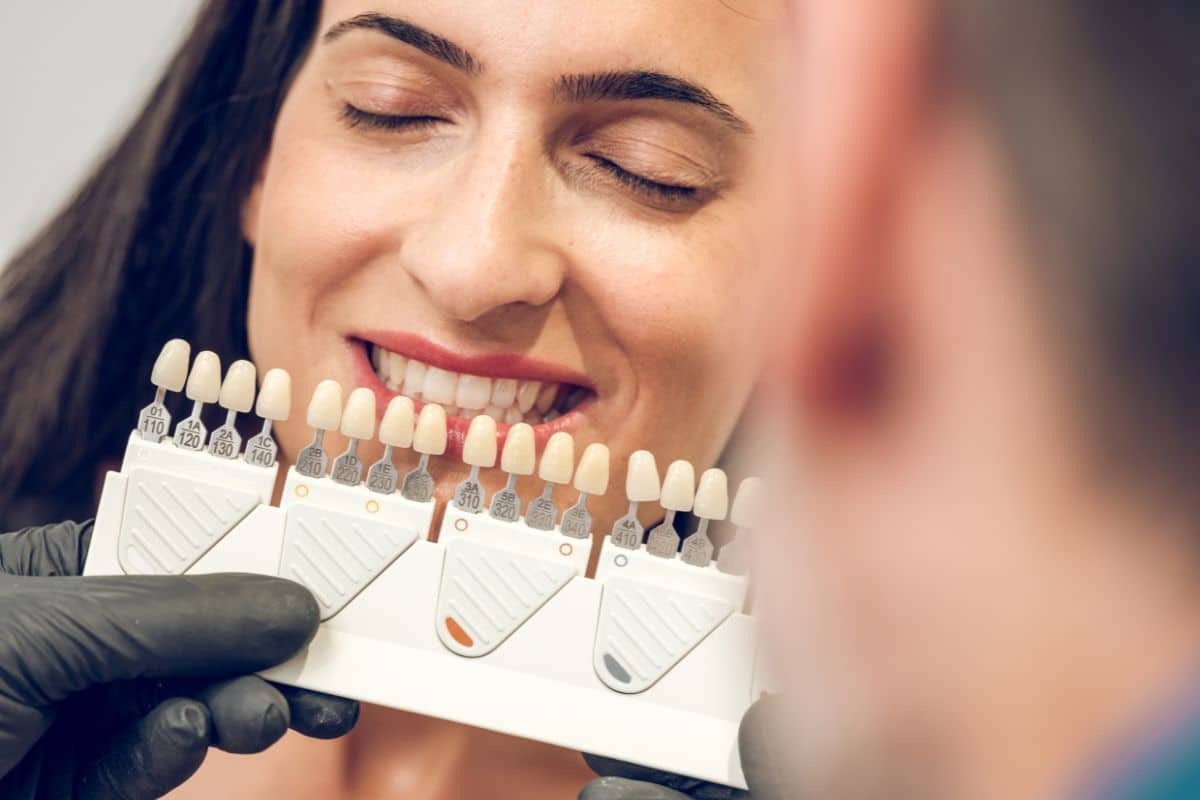
If you are unhappy with the appearance of your teeth, you may be wondering about veneers vs crowns. Both treatments can improve your smile, but they serve different purposes. Veneers are often used to enhance the appearance of teeth, while crowns provide more complete coverage and protection for teeth that are weak or damaged.
For patients considering cosmetic or restorative dentistry in Lake Worth, FL, understanding the difference between these two treatments can make your decision easier. The best choice depends on your tooth’s health, your smile goals, and how much natural tooth structure remains.
If you are exploring cosmetic improvements, learning more about dental veneers in Lake Worth can help you understand whether veneers may be appropriate for your needs. A dental examination is still essential before choosing any treatment.
Quick Answer: Veneers vs Crowns
Veneers vs crowns depends mainly on the condition of your teeth. Veneers cover only the front surface and are typically chosen for cosmetic concerns, while crowns cover the entire visible portion of a tooth and are often used to restore teeth that are damaged, weakened, or heavily restored. Your dentist can recommend the right option after examining your teeth.
What Are Dental Veneers?
Dental veneers are thin, custom-made shells designed to cover the front surfaces of teeth. They are commonly made from porcelain or other tooth-colored materials and are bonded to the teeth to improve their appearance.
Veneers may be considered for cosmetic concerns such as:
- Discolored or stained teeth that do not respond well to whitening
- Small chips or cracks
- Minor gaps between teeth
- Slightly uneven or irregular tooth shapes
- Worn or unattractive tooth surfaces
- Mild cosmetic alignment concerns
If you are considering veneers for cosmetic concerns, learning more about how dental veneers can repair chips and close gaps can help you understand how this treatment may address common smile imperfections.
One of the main benefits of veneers is that they can create a more uniform appearance while preserving much of the natural tooth structure compared with a full crown.
What Are Dental Crowns?
A dental crown is a custom-made restoration that fits over the remaining structure of a tooth. Unlike a veneer, which covers only the front surface, a crown provides coverage around the tooth.
Crowns are often recommended when a tooth needs additional strength or protection. Common situations include:
- A tooth weakened by extensive decay
- A severely cracked or damaged tooth
- A tooth with a large filling
- A tooth that has undergone root canal treatment
- A significantly worn tooth
- A tooth that needs structural restoration
Crowns can also improve the shape and appearance of a damaged tooth. Because they provide more coverage, they are generally considered a restorative treatment rather than a purely cosmetic one.
Veneers vs Crowns: What Is the Difference?
When comparing Dental Veneers vs Dental Crowns, the biggest difference is how much of the tooth each treatment covers and why it is being used.
| Feature | Dental Veneers | Dental Crowns |
|---|---|---|
| Main purpose | Cosmetic improvement | Restoration and protection |
| Coverage | Front surface of tooth | Covers the tooth structure |
| Common material | Porcelain or composite | Porcelain, ceramic, or other dental materials |
| Best for | Cosmetic imperfections | Weak, damaged, or heavily restored teeth |
| Tooth preparation | Usually less extensive | Generally requires more tooth preparation |
| Structural protection | Limited | Greater coverage and protection |
The right treatment is not simply a matter of choosing which option looks better. Your dentist must first determine whether your tooth is healthy and strong enough for a veneer or needs the added protection of a crown.
Which Is Better: Veneers or Crowns?
There is no universal answer to which treatment is better. The right choice depends on your individual situation.
Veneers May Be Better If:
You have healthy teeth but want to improve their appearance. Veneers may be appropriate for certain cosmetic concerns, especially when the underlying tooth structure is strong.
Crowns May Be Better If:
Your tooth is weakened, significantly damaged, heavily filled, or has undergone root canal therapy. A crown may provide the coverage needed to restore function and help protect the remaining tooth structure.
In some cases, a patient may need a combination of cosmetic and restorative treatments. A comprehensive dental evaluation can help determine which approach makes sense for your smile.
What Is the Process Like?
The treatment process depends on whether you receive veneers or crowns and the material selected.
For veneers, the dentist typically evaluates your smile, discusses your goals, prepares the tooth as needed, and takes impressions or digital scans. Your custom veneer is then created and bonded to the tooth after the fit and appearance are carefully checked.
For crowns, the dentist examines the tooth and removes damaged or decayed areas when necessary. The tooth is shaped to accommodate the crown, and impressions or digital scans are used to create the final restoration. A temporary crown may be placed while the permanent one is being made.
Your dentist will explain each step before treatment so you know what to expect.
Are Veneers or Crowns Painful?
Most patients are comfortable during both procedures because local anesthesia can be used when appropriate. After treatment, you may experience temporary sensitivity or mild gum tenderness.
The level of discomfort varies depending on the condition of the tooth and the type of treatment performed. If you experience significant or persistent pain after treatment, contact your dental office for guidance.
How Much Do Veneers and Crowns Cost?
The cost of veneers and crowns varies based on several factors, including:
- The material selected
- The number of teeth being treated
- The complexity of the case
- Whether additional dental treatment is needed
- Your dental insurance benefits and coverage
Veneers are often considered cosmetic and may not be covered by dental insurance. Crowns may have insurance coverage when they are medically necessary to restore a damaged tooth, although benefits vary by plan.
Instead of choosing based on price alone, consider the long-term health of your teeth and the treatment that best addresses your needs. Your dentist can provide a personalized estimate after an examination.
Benefits and Risks to Consider
Both veneers and crowns can offer meaningful benefits when properly planned and maintained.
Potential benefits include:
- Improved tooth appearance
- Restoration of damaged teeth
- Better smile symmetry
- Improved confidence
- Restored tooth function in appropriate cases
However, every dental procedure has potential risks. Depending on the treatment, patients may experience sensitivity, chipping, fracture, gum irritation, or the need for future repair or replacement.
Veneers and crowns are not indestructible. Good oral hygiene, regular dental visits, avoiding excessive biting forces, and following your dentist’s recommendations can help protect your restoration.
How Do You Care for Veneers and Crowns?
Taking care of a restoration is similar to caring for your natural teeth.
- Brush twice daily with fluoride toothpaste.
- Clean between your teeth every day.
- Visit your dentist for routine examinations and professional cleanings.
- Avoid using your teeth to open packages or bite hard objects.
- Follow your dentist’s recommendations if you grind or clench your teeth.
- Contact your dentist if a restoration feels loose, cracked, or uncomfortable.
With proper care, dental restorations can provide lasting service, although their lifespan varies based on the material, your oral habits, and overall dental health.
Frequently Asked Questions
Are veneers or crowns better for stained teeth?
Veneers may be considered when the main concern is the appearance of otherwise healthy teeth with discoloration that does not respond well to whitening. Crowns are generally used when a tooth also has significant structural damage or weakness. Your dentist can determine whether the discoloration is cosmetic or related to an underlying dental problem.
Do veneers last as long as crowns?
Both veneers and crowns can last for many years with proper care, but their longevity varies. Factors such as material, oral hygiene, biting forces, teeth grinding, and regular dental care can affect how long they remain functional. Your dentist can explain expected longevity based on the specific restoration recommended for you.
Can I get veneers instead of crowns?
Sometimes, but not always. If a tooth is significantly weakened, cracked, or structurally compromised, a veneer may not provide enough protection. If the tooth is healthy and the concern is mainly cosmetic, a veneer may be an option. A dental examination is necessary to determine which treatment is appropriate.
Do crowns look natural?
Modern dental crowns can be designed to closely match the color, shape, and proportions of surrounding teeth. The final appearance depends on factors such as the restoration material, tooth position, and treatment planning. Your dentist can discuss aesthetic goals and help select an appropriate restoration.
Are veneers permanent?
Veneers are considered a long-term cosmetic treatment, but they are not permanent for life. The teeth may require some preparation, and veneers can eventually need repair or replacement. Good oral hygiene and regular dental visits can help maintain your smile and identify potential problems early.
How do I know whether I need veneers or crowns?
The best way to decide is to schedule a dental evaluation. Your dentist will consider the health and strength of the tooth, the amount of remaining tooth structure, your cosmetic goals, and your bite. Based on these factors, they can explain the benefits and limitations of veneers, crowns, or other treatment options.
Conclusion
When comparing veneers vs crowns, remember that the two treatments have different purposes. Veneers are generally focused on improving the appearance of healthy teeth, while crowns are designed to cover and restore teeth that need greater structural support.
The best choice depends on your individual oral health, smile goals, and the condition of your teeth. If you are considering cosmetic or restorative dental treatment in Lake Worth, FL, schedule a consultation with Palms Dental Care to discuss your options and create a personalized treatment plan.
Call +1 5619349885 to schedule an appointment and take the next step toward a healthier, more confident smile.
Choosing a dentist is about more than comparing services. Many patients also want to know what others have experienced at a local practice. Want to stay informed about dental tips, office announcements, and updates? See patient reviews on Google to connect with Palms Dental Care and learn more about the experiences of local patients.
