


If you are considering a dental implant, you may be wondering, do dental implants hurt? It is one of the most common questions patients ask before replacing a missing tooth. The good news is that modern dental implant procedures are designed with patient comfort in mind, and most people report that the experience is more manageable than they expected.
For patients considering dental implants in Lake Worth, understanding what happens before, during, and after treatment can make the process feel much less stressful. At Palms Dental Care, the goal is to help patients feel informed and comfortable while making decisions about their oral health.
Quick Answer
Do dental implants hurt? During the procedure, you should not feel pain because the treatment area is numbed with local anesthesia. Some soreness, swelling, or mild discomfort is normal after surgery, but these symptoms usually improve as the mouth heals. Your dentist will provide aftercare instructions to help manage discomfort and support recovery.
Do Dental Implants Hurt During the Procedure?
For most patients, the implant placement itself is not painful. Before treatment begins, your dentist uses local anesthesia to numb the area around the missing tooth. This helps prevent pain while the implant is placed into the jawbone.
You may feel some pressure, movement, or vibration during the procedure, but these sensations are different from sharp pain. If you feel uncomfortable at any point, tell your dental team so they can make adjustments to help you feel more at ease.
Patients who feel anxious about dental treatment should discuss their concerns during the consultation. Depending on your needs and medical history, your dentist may discuss comfort options that can make the experience easier.
What Happens During Dental Implant Treatment?
Dental implant treatment usually involves several stages. Your exact treatment plan depends on factors such as your oral health, bone density, and the number of teeth being replaced.
1. Initial Consultation
The process begins with a comprehensive dental examination. Your dentist may use digital imaging or other diagnostic tools to evaluate your teeth, gums, and jawbone.
This appointment helps determine whether you are a suitable candidate for an implant and allows your dentist to create a personalized treatment plan.
2. Implant Placement
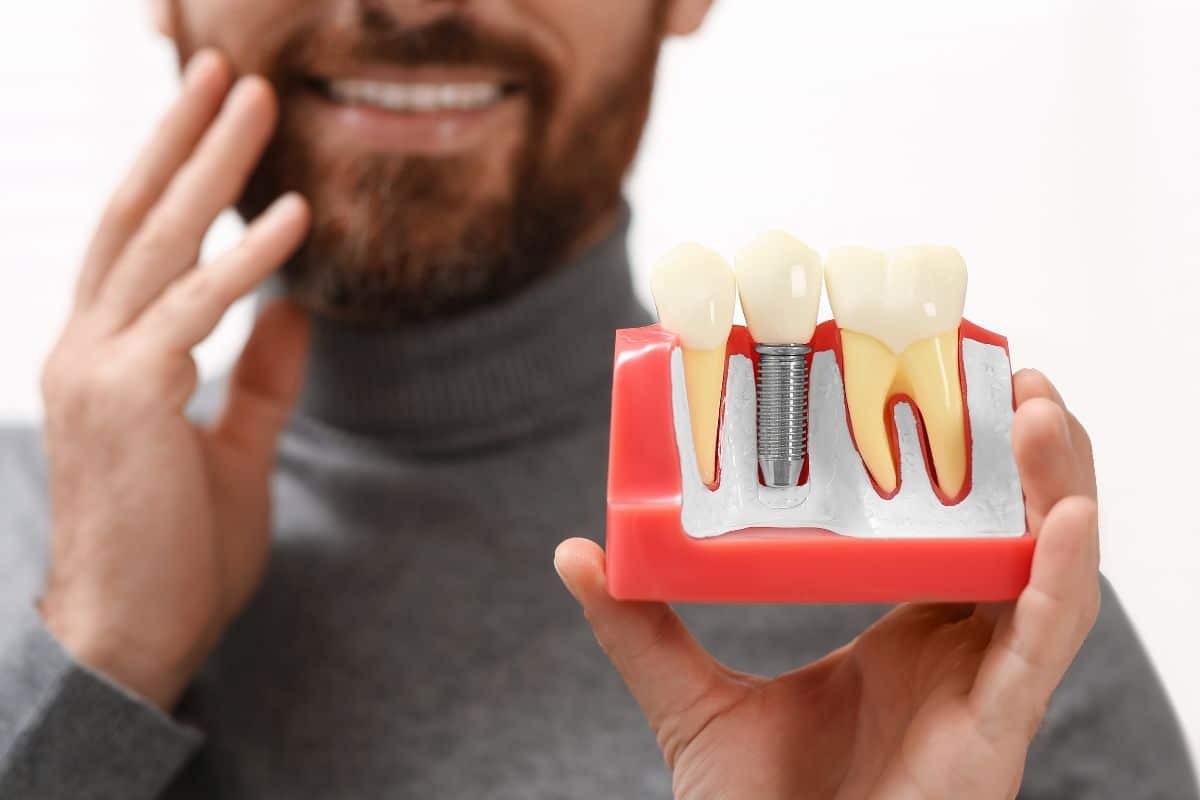
During implant surgery, the dentist places a small titanium implant post into the jawbone. The implant acts as an artificial tooth root.
Because the area is carefully numbed, most patients experience pressure rather than pain during placement.
3. Healing and Osseointegration
After placement, the implant needs time to heal and bond with the surrounding bone. This process, known as osseointegration, helps create a stable foundation for the replacement tooth.
Healing time varies from person to person. Your dentist will monitor your progress and let you know when the next stage of treatment can begin.
4. Attaching the Replacement Tooth
Once the implant has healed sufficiently, a dental crown, bridge, or implant-supported restoration can be attached. The final restoration is designed to restore function and improve the appearance of your smile.
If you are exploring [dental implants treatment in Lake Worth], a personalized consultation can help you understand whether implant treatment is appropriate for your needs and what your expected treatment timeline may look like.
What Does Dental Implant Pain Feel Like After Surgery?
Some discomfort after implant surgery is normal. As the anesthesia wears off, you may notice tenderness around the treatment area.
Common short-term symptoms can include:
- Mild to moderate soreness
- Swelling around the gums or face
- Minor bruising
- Tenderness when chewing
- A feeling of tightness around the surgical area
These symptoms often improve gradually during the first several days. Your dentist may recommend specific pain-relief methods based on your health history and treatment.
It is important to follow your dentist’s instructions carefully. Avoid touching the surgical area unnecessarily and follow any recommendations regarding food, brushing, and physical activity.
How Long Does Dental Implant Pain Last?
The length of recovery varies depending on the complexity of your procedure and your individual healing response. Many patients experience the most noticeable discomfort during the first few days, followed by gradual improvement.
Your recovery may be influenced by:
- The number of implants placed
- Whether bone grafting was required
- Your overall health
- Your oral hygiene habits
- How closely you follow post-treatment instructions
If discomfort becomes severe, gets worse instead of better, or is accompanied by unusual symptoms, contact your dental office promptly. Your dentist can determine whether additional care is needed.
How Can You Manage Discomfort After Dental Implant Surgery?
Following your dentist’s aftercare instructions is one of the best ways to support a smooth recovery.
Depending on your specific treatment plan, your dentist may recommend:
- Taking prescribed or recommended pain medication as directed
- Applying a cold compress to help reduce swelling
- Eating soft foods during the early recovery period
- Avoiding very hot foods and drinks immediately after surgery
- Keeping the mouth clean according to your dentist’s instructions
- Avoiding smoking or tobacco products, which can interfere with healing
- Taking it easy and limiting strenuous activity for the recommended period
Good oral hygiene is also important. However, you should follow your dental team’s instructions about brushing and cleaning around the surgical site.
Are Dental Implants Worth It Despite the Recovery?
Dental implants can offer several benefits for eligible patients with missing teeth. Unlike traditional removable dentures, implants are anchored into the jawbone and can provide a stable foundation for replacement teeth. If you want to learn more about the different options available for replacing missing teeth, explore our guide to top dental implant solutions for missing teeth.
Potential benefits include:
- Improved chewing ability
- A more natural-looking smile
- A stable alternative to removable tooth replacement
- Support for maintaining jawbone structure
- Restoration of function after tooth loss
However, dental implants are not the right solution for everyone. A thorough examination is important because factors such as gum health, bone volume, medical conditions, and lifestyle habits can affect treatment planning and healing.
What Are the Risks of Dental Implants?
Like any surgical dental procedure, implant treatment has potential risks. These may include infection, bleeding, implant failure, nerve irritation, or problems with healing.
The risk of complications can vary based on individual health and treatment factors. This is why a professional evaluation and careful treatment planning are essential.
A dentist will review your medical and dental history and explain the potential benefits and risks before treatment. Ask questions if you are unsure about any part of the procedure.
How Much Do Dental Implants Cost?
The cost of dental implants varies from patient to patient. There is no single price that applies to every case because treatment may involve different components.
Factors that can affect cost include:
- Number of implants needed
- Type of restoration
- Need for bone grafting
- Additional procedures
- Diagnostic imaging
- Complexity of the case
- Dental insurance benefits or financing options
During a consultation, your dental team can explain the recommended treatment plan and provide information about expected costs and payment options.
When Should You Schedule a Dental Implant Consultation?
If you have lost a tooth, it is worth discussing replacement options with a dentist rather than waiting indefinitely. Missing teeth can affect chewing, speech, confidence, and the way your remaining teeth function.
A consultation is especially helpful if you:
- Have one or more missing teeth
- Have difficulty chewing certain foods
- Are unhappy with a removable denture
- Want to learn about long-term tooth replacement options
- Are concerned about changes following tooth loss
The first step is a professional evaluation. Your dentist can assess your oral health and explain whether dental implants or another treatment may be appropriate.
FAQ Section
Do dental implants hurt more than tooth extraction?
Dental implant treatment and tooth extraction are different procedures, so experiences vary. Both are performed with local anesthesia to control pain during treatment. Afterward, patients may experience soreness and swelling, but the level of discomfort depends on the complexity of the procedure and individual healing.
How many days will I be sore after a dental implant?
Many patients experience the most soreness during the first few days after implant placement, with discomfort gradually improving during recovery. Healing times vary based on the procedure and individual health. Follow your dentist’s aftercare instructions and contact the office if pain becomes severe or does not improve as expected.
Can I go back to work after getting a dental implant?
Some patients return to normal activities quickly, while others prefer to rest for a day or two. Your recovery depends on the complexity of your treatment and how your body responds. Ask your dentist when it is appropriate to resume work, exercise, and other normal activities.
Are dental implants painful after the anesthesia wears off?
It is normal to experience some soreness or tenderness after the anesthesia wears off. Your dentist can recommend appropriate ways to manage discomfort based on your health and treatment. If pain becomes increasingly severe or is accompanied by unusual symptoms, contact your dental office.
How long does it take for a dental implant to heal?
Healing time varies between patients and procedures. The implant needs time to integrate with the jawbone before the final restoration is placed. Your dentist will monitor your healing and determine when you are ready for the next stage of treatment.
Conclusion
So, do dental implants hurt? For most patients, the procedure itself is not painful because the treatment area is numbed with local anesthesia. Some soreness and swelling are expected during recovery, but these symptoms are generally manageable with proper aftercare and guidance from your dental team.
If you are considering replacing a missing tooth, the best way to understand your options is to schedule a professional consultation. Palms Dental Care can help you explore whether dental implants may be suitable for your needs. Call +1 5619349885 to schedule an appointment and take the next step toward restoring your smile.
Choosing a dental practice is a personal decision, and hearing from other patients can help you feel more confident about your choice. Want to learn more about Palms Dental Care, office updates, and experiences shared by local patients? Visit our Google Business Profile to explore recent updates and reviews.
