


Missing teeth can affect more than just your smile. They can impact your confidence, speech, chewing ability, and overall oral health. If you’re considering dental implants, one of the most common questions you may have is: How long do dental implants last?
The good news is that dental implants are designed to be a long-term tooth replacement solution. With proper care and regular dental visits, many patients enjoy the benefits of their implants for decades. If you’re exploring options for dental implants lifespan and searching for reliable dental implants in Lake Worth, understanding what affects implant longevity can help you make an informed decision.
Dental implants can last 20 years or longer, and many last a lifetime with proper care. The titanium implant post that replaces the tooth root is highly durable, while the crown attached to it may need replacement after 10 to 15 years due to normal wear and tear. Good oral hygiene and routine dental checkups are key to maximizing implant lifespan.
What Are Dental Implants?
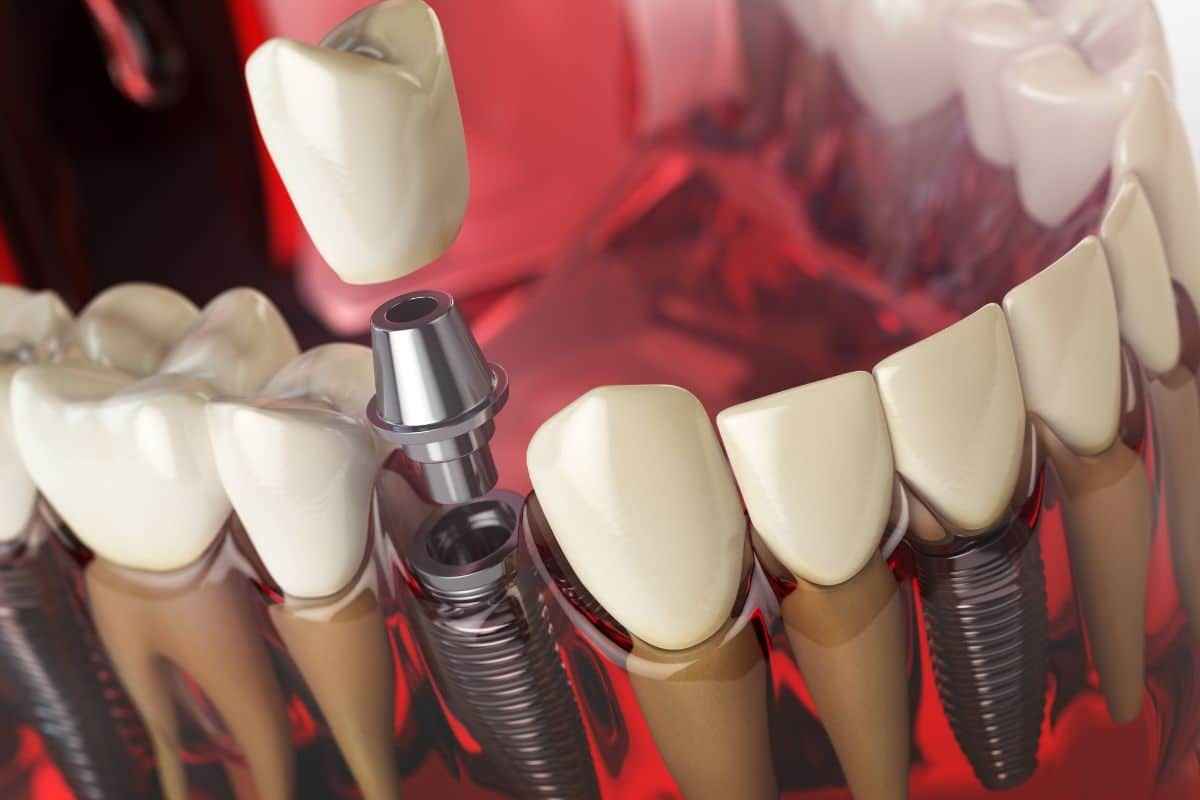
Dental implants are artificial tooth roots made from biocompatible titanium. They are surgically placed into the jawbone, where they fuse with the bone through a process called osseointegration.
A complete dental implant consists of:
- The implant post
- The abutment (connector)
- The dental crown
Together, these components create a secure and natural-looking replacement for missing teeth.
How Long Does Each Part of a Dental Implant Last?
The Implant Post
The implant post is the foundation of the restoration. Because it is made of titanium and integrates with the jawbone, it can often last a lifetime when properly maintained.
The Abutment
The abutment is a small connector between the implant and crown. It is highly durable and generally lasts many years without needing replacement.
The Dental Crown
The crown experiences daily wear from chewing and biting. Most crowns last between 10 and 15 years, though many last longer depending on the material used and oral habits.
Factors That Affect Dental Implants Lifespan
Several factors influence how long dental implants remain successful.
Oral Hygiene Habits
Just like natural teeth, implants require daily care.
Good habits include:
- Brushing twice daily
- Flossing around implants
- Using antimicrobial mouthwash
- Attending routine dental cleanings
Poor oral hygiene can increase the risk of peri-implant disease, which can threaten implant stability.
Bone Health
Successful implants depend on adequate jawbone support. Bone loss caused by gum disease or other conditions can affect long-term success.
Smoking and Tobacco Use
Smoking reduces blood flow and can interfere with healing around implants. Research consistently shows that smokers have a higher risk of implant complications.
Teeth Grinding
Patients who grind or clench their teeth place additional pressure on implants and crowns. A custom nightguard may help protect your investment.
Overall Health
Conditions such as uncontrolled diabetes can affect healing and increase the risk of implant failure. Maintaining overall health supports long-term implant success.
What Is the Success Rate of Dental Implants?
Dental implants have one of the highest success rates in modern dentistry. Studies show success rates of approximately 95% or higher when implants are placed by experienced dental professionals and maintained properly.
This makes implants one of the most predictable and reliable options for replacing missing teeth.
Benefits of Choosing Dental Implants
Many patients choose implants because of their durability and functional benefits. In addition to restoring missing teeth, the oral health benefits of dental implants extend to preserving jawbone density, supporting facial structure, and helping maintain the alignment of surrounding teeth.
Some advantages include:
- Natural appearance
- Improved chewing ability
- Better speech
- Preservation of jawbone structure
- Enhanced confidence
- Long-term value
- Stability without adhesives
Unlike removable dentures, implants become part of your smile and function similarly to natural teeth.
Are There Risks That Can Shorten Implant Lifespan?
While implants are highly successful, certain complications can occur.
Potential risks include:
- Infection around the implant
- Gum disease
- Implant loosening
- Bone loss
- Damage from excessive biting forces
Fortunately, most complications can be minimized through proper planning, skilled treatment, and consistent maintenance.
The Dental Implant Process
Understanding the treatment process can help patients feel more confident.
Initial Consultation
Your dentist evaluates your oral health, reviews medical history, and determines whether you are a good candidate for implants.
Implant Placement
The titanium implant is surgically placed into the jawbone.
Healing and Integration
Over several months, the implant fuses with the surrounding bone.
Restoration Placement
Once healing is complete, the custom crown is attached to create a fully functional tooth replacement.
How Much Do Dental Implants Cost?
Dental implant costs vary depending on several factors, including:
- Number of implants needed
- Bone grafting requirements
- Type of restoration
- Complexity of treatment
Although implants often require a larger initial investment than bridges or dentures, their longevity and durability can make them a cost-effective long-term solution.
A personalized consultation is the best way to determine treatment costs and available financing options.
How to Make Your Dental Implants Last Longer
Patients can significantly improve implant longevity by following a few simple recommendations:
- Brush and floss daily
- Schedule regular dental checkups
- Avoid tobacco products
- Wear a nightguard if recommended
- Maintain a healthy diet
- Address dental issues promptly
Consistent care helps protect both the implant and surrounding tissues.
Why Choose Palms Dental Care in Lake Worth?
When considering dental implants in Lake Worth, choosing the right dental team matters.
At Palms Dental Care, patients receive personalized treatment designed around their unique needs and goals. Our team combines advanced technology, comprehensive treatment planning, and patient-centered care to deliver high-quality implant solutions.
Patients throughout Lake Worth and surrounding communities trust our practice because we focus on:
- Thorough evaluations and treatment planning
- Modern diagnostic technology
- Comfortable patient experiences
- Customized restorative solutions
- Long-term oral health support
Whether you need a single implant or a more comprehensive tooth replacement solution, our goal is to help you achieve a healthy, confident smile.
See What Local Patients Are Saying
Want to stay informed about dental tips, office updates, and real patient experiences from the Lake Worth community? See patient reviews on Google to explore recent feedback, helpful updates, and learn more about the care available at Palms Dental Care.
Conclusion
Understanding dental implants lifespan can help you make a confident decision about restoring your smile. In many cases, dental implants can last 20 years or longer and often a lifetime with proper care, excellent oral hygiene, and routine professional maintenance.
If you’re considering dental implants in Lake Worth, the experienced team at Palms Dental Care is here to help. Contact us today at +1 5619349885 to schedule your consultation and learn whether dental implants are the right solution for your smile.
FAQ Section
How long do dental implants typically last?
Most dental implants can last 20 years or more. With proper oral hygiene and regular dental visits, many patients keep their implants for a lifetime.
Can dental implants fail after several years?
Yes, although uncommon. Implant failure may occur due to infection, bone loss, smoking, poor oral hygiene, or excessive bite pressure.
Do dental implant crowns last forever?
No. While the implant post may last a lifetime, the crown generally lasts 10 to 15 years before replacement may be needed due to normal wear.
Are dental implants better than dentures?
Dental implants offer greater stability, preserve jawbone health, and function more like natural teeth. However, the best option depends on each patient’s individual needs.
How can I increase the lifespan of my dental implants?
Daily brushing and flossing, regular dental checkups, avoiding tobacco products, and following your dentist’s recommendations can significantly extend implant longevity.
Am I a good candidate for dental implants?
Most healthy adults with sufficient jawbone density are candidates for implants. A comprehensive dental evaluation can determine your eligibility.
