


Missing teeth can affect more than just your smile. They can make eating difficult, impact your speech, and lower your confidence. If you’re considering tooth replacement options, you may be wondering whether you’re a good dental implant candidate.
Dental implants are one of the most reliable and natural-looking solutions for replacing missing teeth. At Palms Dental Care, many patients seeking dental implants in Lake Worth ask whether implants are right for them. While every case is unique, there are several signs that indicate you may be an excellent candidate for this long-lasting treatment.
Quick Answer
A good dental implant candidate typically has one or more missing teeth, healthy gums, sufficient jawbone support, and good overall oral health. Non-smokers and patients committed to maintaining proper oral hygiene often experience the best long-term outcomes with dental implant treatment.
What Are Dental Implants?
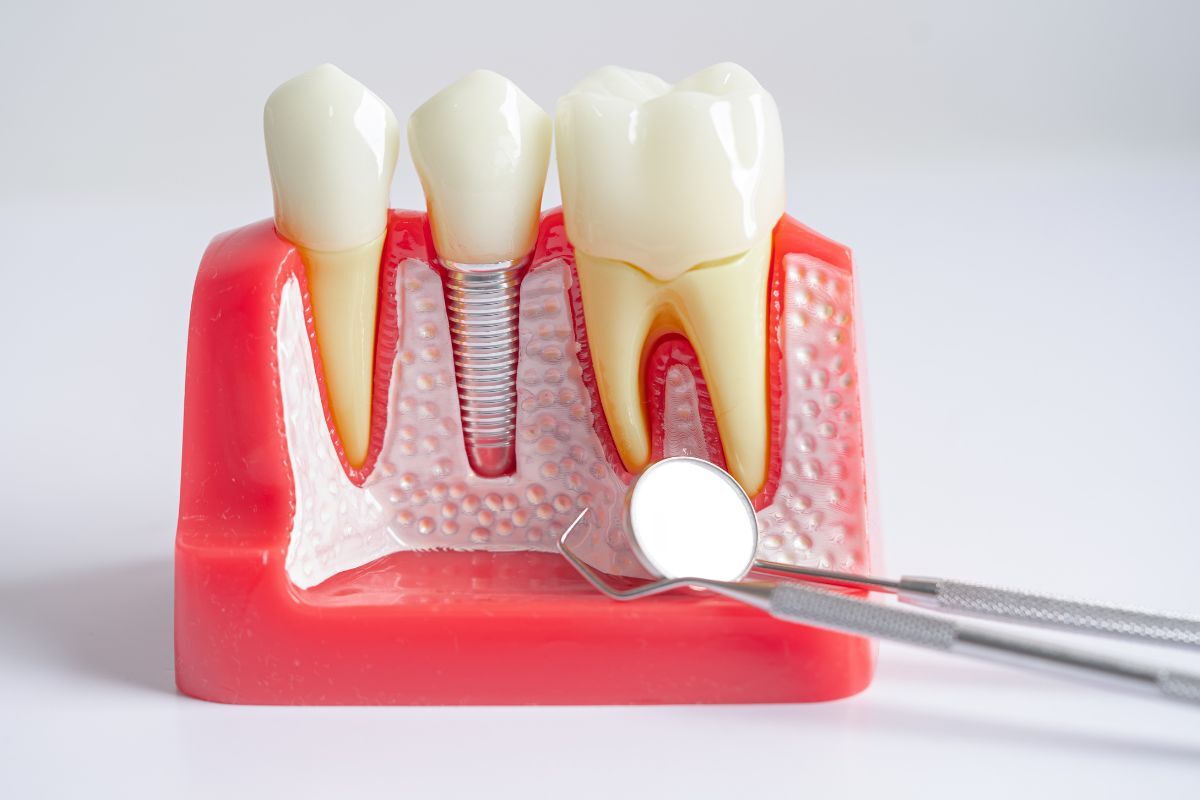
Dental implants are artificial tooth roots made from biocompatible titanium. They are placed into the jawbone and topped with a custom dental crown, bridge, or denture.
Unlike traditional tooth replacement options, implants integrate with the jawbone, providing stability, function, and a natural appearance.
Benefits of dental implants include:
- Improved chewing ability
- Natural-looking results
- Enhanced speech
- Long-term durability
- Jawbone preservation
- Better comfort compared to removable dentures
Signs You’re a Good Dental Implant Candidate
1. You Have One or More Missing Teeth
One of the clearest signs you’re a good candidate is having missing teeth.
Whether you’ve lost a tooth due to decay, injury, or gum disease, implants can help restore both function and appearance. They can replace:
- A single missing tooth
- Multiple missing teeth
- An entire arch of teeth
Replacing missing teeth early may also help prevent neighboring teeth from shifting.
2. Your Gums Are Healthy
Healthy gums are essential for successful implant treatment.
Dental implants require a stable foundation. If you currently have gum disease, your dentist may recommend periodontal treatment before implant placement.
Signs of healthy gums include:
- Minimal bleeding when brushing
- No swelling or tenderness
- Firm gum tissue around existing teeth
Addressing gum health before treatment can improve implant success rates.
3. You Have Adequate Jawbone Density
Your jawbone plays a critical role in supporting dental implants.
When teeth are missing for a long period, the jawbone can begin to shrink. Fortunately, modern dentistry offers solutions such as bone grafting for patients with reduced bone volume.
During your consultation, your dentist will use advanced imaging technology to evaluate whether your jawbone can support an implant.
4. You Practice Good Oral Hygiene
Dental implants require ongoing care.
Patients who brush twice daily, floss regularly, and attend routine dental checkups are often excellent candidates. Good oral hygiene helps reduce the risk of complications and supports long-term implant success.
Maintaining healthy habits after treatment is just as important as qualifying for the procedure.
5. You’re in Good Overall Health
Certain medical conditions may affect healing, but many patients with controlled health conditions can still receive implants.
A good candidate generally:
- Maintains overall health
- Has controlled diabetes if applicable
- Follows medical recommendations
- Is committed to post-treatment care
Your dentist will review your health history to determine the safest and most effective treatment plan.
6. You Don’t Smoke or Are Willing to Quit
Smoking can slow healing and increase the risk of implant complications.
While smokers are not automatically disqualified, quitting before and after treatment may significantly improve outcomes.
Patients who reduce or eliminate tobacco use often experience better healing and long-term implant stability.
7. You’re Looking for a Long-Term Tooth Replacement Solution
Dental implants are designed to be a durable and long-lasting solution.
Unlike some alternatives that may require more frequent replacement, implants can last many years when properly maintained.
If you’re looking for a restoration that feels and functions like a natural tooth, implants may be an excellent option.
What Is the Dental Implant Process Like?
Understanding the treatment process can help you feel more confident about your decision. If you’re curious about what happens during dental implant treatment, learning about each stage of the procedure can help you prepare for a successful outcome.
Initial Consultation
Your dentist evaluates your oral health, reviews your medical history, and takes diagnostic images.
Implant Placement
The implant is surgically placed into the jawbone.
Healing Period
Over several months, the implant fuses with the jawbone through a process called osseointegration.
Final Restoration
A custom crown, bridge, or denture is attached to the implant, completing your smile.
Are There Any Risks?
Dental implants have a high success rate, but every dental procedure carries some risk.
Potential risks include:
- Infection
- Delayed healing
- Implant failure
- Gum inflammation
- Bone loss around the implant
Following your dentist’s instructions and attending follow-up appointments can help minimize these risks.
Aftercare Tips for Long-Term Implant Success
Once your implants are restored, proper care helps protect your investment.
Recommended aftercare includes:
- Brushing twice daily
- Flossing around implants
- Using recommended oral hygiene products
- Attending regular dental exams
- Avoiding tobacco products
- Wearing a nightguard if you grind your teeth
With proper maintenance, implants can remain functional and attractive for many years.
Conclusion
Determining whether you’re a good dental implant candidate starts with a professional evaluation. If you have missing teeth, healthy gums, sufficient jawbone support, and a commitment to oral health, dental implants may be an excellent solution for restoring your smile.
If you’re considering dental implants in Lake Worth, the team at Palms Dental Care can help you explore your options and create a personalized treatment plan. Call +1 5619349885 today to schedule your consultation and take the next step toward a healthier, more confident smile.
Want to stay informed about dental tips, office updates, and experiences from patients throughout the Lake Worth community? See patient reviews on Google to learn more about Palms Dental Care and discover what local patients have to say about their dental experiences.
Frequently Asked Questions
Can anyone get dental implants?
Many adults qualify for dental implants, but candidacy depends on factors such as gum health, jawbone density, overall health, and lifestyle habits. A comprehensive dental evaluation is the best way to determine eligibility.
How long do dental implants last?
With proper care and regular dental visits, dental implants can last for many years. Good oral hygiene and healthy lifestyle habits contribute significantly to their longevity.
Are dental implants painful?
Most patients report minimal discomfort during and after implant placement. Modern techniques, local anesthesia, and post-operative care help make the procedure comfortable.
What if I don’t have enough jawbone for implants?
Patients with insufficient bone may still qualify through procedures such as bone grafting. Your dentist will evaluate your situation and discuss available treatment options.
How long does the dental implant process take?
Treatment timelines vary depending on individual needs. In many cases, the process can take several months to allow proper healing and integration of the implant with the jawbone.
Are dental implants worth the investment?
Many patients find implants worthwhile because they provide stability, durability, improved function, and a natural appearance that closely resembles real teeth.
