
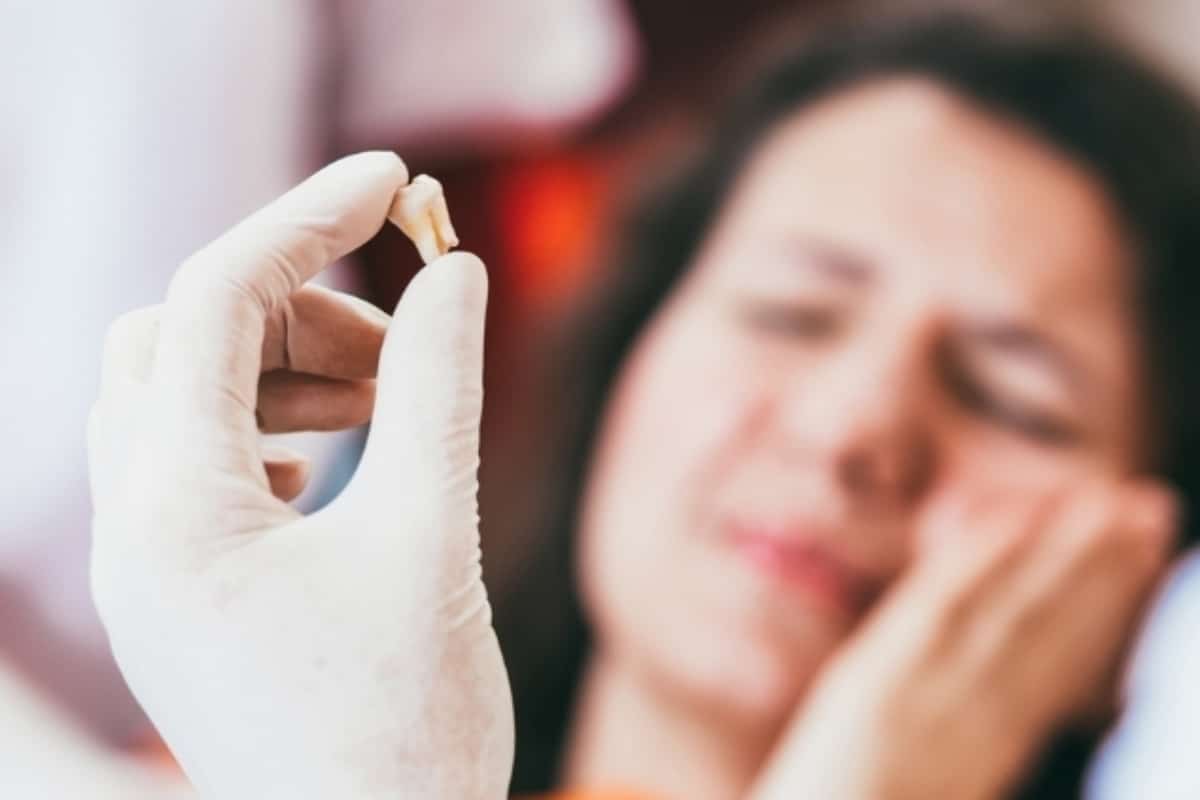
Tooth extraction is sometimes necessary to protect your oral health—whether due to severe decay, infection, crowding, or wisdom teeth issues. While the procedure itself is straightforward, what you do after your extraction plays a critical role in how quickly and comfortably you heal.
At Palms Dental Care, we often see patients experience delayed healing due to simple aftercare mistakes. The good news? These are completely avoidable with the right guidance.
We’ll walk you through 7 common tooth extraction aftercare mistakes that can slow down recovery—and what to do instead to promote faster, safer healing.
Why Proper Aftercare Matters After Tooth Extraction
After a tooth is removed, your body begins forming a blood clot in the socket. This clot protects the bone and nerves underneath while new tissue forms. Disrupting this clot can lead to complications like dry socket, infection, or prolonged pain.
Following proper aftercare ensures:
- Faster healing
- Reduced risk of infection
- Less pain and swelling
- Better overall oral health outcomes
1. Smoking Too Soon After Extraction
One of the most common and harmful mistakes is smoking within the first 48–72 hours after extraction.
Why it’s harmful:
- The suction can dislodge the blood clot
- Chemicals delay tissue healing
- Increases risk of dry socket
What to do instead:
Avoid smoking for at least 72 hours, preferably longer. If quitting is difficult, talk to your dentist about temporary alternatives.
2. Using a Straw or Spitting Forcefully
It may seem harmless, but using a straw or spitting vigorously can create suction in your mouth.
Why it’s harmful:
- Dislodges the protective blood clot
- Leads to dry socket and increased pain
What to do instead:
Drink directly from a glass and gently let saliva fall out of your mouth rather than forcefully spitting.
3. Ignoring Rest and Physical Activity Restrictions
Many patients try to return to normal routines too quickly after an extraction.
Why it’s harmful:
- Increased blood pressure can restart bleeding
- Slows the healing process
What to do instead:
Take it easy for at least 24–48 hours. Avoid heavy lifting, intense exercise, or bending over.
4. Eating the Wrong Foods
Your diet plays a huge role in recovery.
Foods to avoid:
- Crunchy (chips, nuts)
- Sticky (caramel, gum)
- Hot or spicy foods
- Hard foods (crackers, toast)
Why it’s harmful:
- Can irritate the extraction site
- May dislodge the clot or introduce bacteria
What to do instead:
Stick to soft foods, such as:
- Yogurt
- Mashed potatoes
- Applesauce
- Smooth soups (lukewarm)
5. Poor Oral Hygiene After Extraction
Some patients avoid brushing altogether, fearing they’ll disturb the site.
Why it’s harmful:
- Bacteria buildup can lead to infection
- Delays healing
What to do instead:
- Continue brushing your teeth gently, avoiding the extraction area
- After 24 hours, rinse with a warm saltwater solution (not aggressively)
6. Skipping Prescribed Medications or Instructions
If your dentist prescribes medication or provides instructions, it’s important to follow them closely.
Why it’s harmful:
- Increases risk of infection
- May prolong pain and swelling
What to do instead:
- Take medications exactly as directed
- Complete the full course of antibiotics (if prescribed)
- Follow all aftercare instructions carefully
7. Touching or Disturbing the Extraction Site
It can be tempting to check the area with your tongue or fingers.
Why it’s harmful:
- Introduces bacteria
- Can dislodge the clot
- Slows healing
What to do instead:
Leave the area undisturbed and allow your body to heal naturally.
Signs You May Not Be Healing Properly
Even with proper care, complications can sometimes occur. Contact your dentist if you experience:
- Severe or worsening pain after a few days
- Bad taste or odor in your mouth
- Excessive bleeding
- Swelling that doesn’t improve
- Fever or signs of infection
Early intervention can prevent more serious issues.
Expert Tooth Extraction Care at Palms Dental Care
At Palms Dental Care, we prioritize your comfort and recovery at every stage of treatment. From gentle extractions to personalized aftercare guidance, our team ensures you heal quickly and safely.
We take the time to educate patients on proper aftercare, helping you avoid complications and get back to your daily routine with confidence.
Healing after a tooth extraction doesn’t have to be complicated—but avoiding these common mistakes is essential. Simple habits like skipping the straw, eating soft foods, and following your dentist’s instructions can make a significant difference in your recovery.
If you’re preparing for an extraction or experiencing post-procedure concerns, professional guidance can help ensure everything heals as it should.
Schedule your appointment today and visit our dental office at 8918 Lantana Rd B, Lake Worth, FL 33467.