

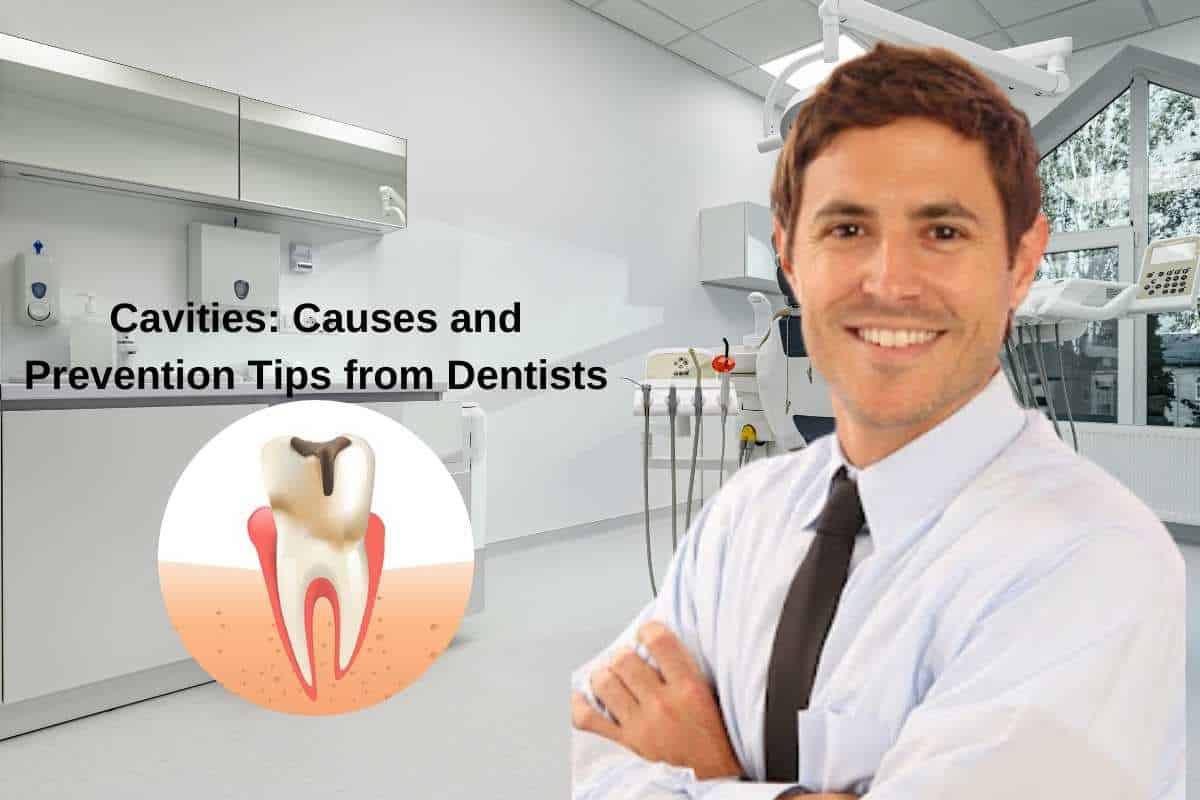
Tooth decay is one of the most common dental problems people experience. You may brush regularly, floss occasionally, and still find yourself hearing the same frustrating news at your dental appointment: another cavity. If you’ve ever wondered why cavities keep coming back even after treatment, you’re not alone.
According to experienced dentist Dr. Kyle Kromrey, recurrent cavities often occur because of a combination of lifestyle habits, oral bacteria, diet, and even the way your teeth are shaped. Understanding the underlying causes can help you stop the cycle of repeated decay and maintain a healthier smile.
We’ll explore why cavities recur, the hidden causes many people overlook, and practical prevention tips recommended by dentists to protect your teeth long-term.
What Are Cavities and Why Do They Form?
A cavity is a small hole in the tooth caused by tooth decay. The process begins when bacteria in your mouth feed on sugars and carbohydrates from food. These bacteria produce acids that gradually erode the protective outer layer of the tooth known as enamel.
Over time, the acid attack weakens the tooth structure, eventually creating a cavity. If left untreated, decay can spread deeper into the tooth and potentially lead to infection or the need for more extensive dental procedures.
While fillings repair existing cavities, they don’t eliminate the conditions that caused the decay in the first place. That’s why some patients experience recurring cavities.
7 Common Reasons Cavities Keep Coming Back
1. Inconsistent or Ineffective Oral Hygiene
Even if you brush your teeth daily, the technique and consistency of your oral hygiene routine matter. Plaque—a sticky film of bacteria—can build up quickly if brushing and flossing aren’t done properly.
Common mistakes include:
- Brushing for less than two minutes
- Skipping flossing
- Not cleaning along the gumline
- Using an old or worn toothbrush
When plaque remains on the teeth, it continues producing acids that damage enamel and cause decay.
2. High Sugar and Acidic Diet
Frequent consumption of sugary foods and drinks significantly increases the risk of cavities. Soda, energy drinks, candy, and processed snacks create an ideal environment for cavity-causing bacteria.
Even seemingly healthy foods like fruit juices, sports drinks, and dried fruits can contribute to tooth decay due to their sugar and acidity.
Dentists recommend limiting sugary snacks between meals and drinking plenty of water to help rinse away food particles.
3. Deep Grooves and Tooth Anatomy
Some teeth naturally have deep pits and grooves, especially molars used for chewing. These areas can easily trap food and bacteria, making them harder to clean thoroughly.
Even with good brushing habits, plaque can accumulate in these tiny crevices and eventually lead to decay.
In many cases, dentists recommend dental sealants to protect these vulnerable areas from cavities.
4. Poorly Maintained Dental Restorations
Fillings, crowns, and other restorations are designed to repair damaged teeth, but they are not immune to wear over time.
If a filling becomes cracked, loose, or worn down, bacteria can seep into the small gaps between the restoration and the tooth. This can lead to recurrent decay underneath or around the filling.
Regular dental checkups allow dentists to detect and repair these issues early.
5. Dry Mouth (Reduced Saliva)
Saliva plays an essential role in protecting your teeth. It helps:
- Wash away food particles
- Neutralize acids
- Deliver minerals that strengthen enamel
When saliva production decreases—a condition known as dry mouth—the mouth becomes more vulnerable to cavities.
Dry mouth can be caused by:
- Certain medications
- Medical conditions
- Dehydration
- Smoking
Dentists may recommend saliva substitutes, sugar-free gum, or hydration strategies to help maintain moisture in the mouth.
6. Skipping Regular Dental Visits
Even with excellent home care, professional dental visits remain crucial. Plaque can harden into tartar, which cannot be removed with brushing alone.
Without professional cleanings and exams, early signs of decay may go unnoticed until the cavity becomes larger and more complex.
Routine dental checkups allow dentists to identify small problems before they become bigger—and more expensive—issues.
7. Weak or Demineralized Enamel
Some individuals naturally have weaker enamel or experience enamel erosion due to acid exposure.
This can happen because of:
- Frequent acidic beverages
- Acid reflux
- Teeth grinding
- Poor nutrition
When enamel becomes weakened, teeth are more susceptible to cavities. Dentists often recommend fluoride treatments or remineralizing products to strengthen enamel and protect against decay.
Signs You May Have Recurrent Cavities
Cavities don’t always cause immediate pain. However, recurring decay may present warning signs such as:
- Tooth sensitivity to hot, cold, or sweet foods
- Persistent bad breath
- Tooth discoloration or dark spots
- Pain when chewing
- Rough or chipped fillings
If you notice any of these symptoms, scheduling a dental examination promptly can prevent further damage.
Dentist-Recommended Tips to Prevent Recurring Cavities
Preventing cavities requires a combination of proper oral care, healthy habits, and professional dental guidance. Here are some expert recommendations from Dr. Kyle Kromrey and other dental professionals.
Brush Properly Twice a Day
Use a fluoride toothpaste and brush for at least two minutes twice daily. Electric toothbrushes can be particularly effective at removing plaque.
Focus on:
- The gumline
- The back molars
- Hard-to-reach areas
Replace your toothbrush every three to four months.
Floss Every Day
Flossing removes plaque and food particles from areas a toothbrush cannot reach. Skipping flossing allows bacteria to thrive between teeth, increasing the risk of cavities.
Water flossers can also be a helpful alternative for patients who find traditional floss difficult to use.
Limit Sugary and Acidic Foods
Reducing sugar intake is one of the most effective ways to prevent cavities.
Helpful strategies include:
- Choosing water instead of soda
- Limiting sugary snacks between meals
- Rinsing with water after eating sweets
- Eating crunchy fruits and vegetables that help clean teeth
Drink More Water
Water helps rinse away bacteria and food particles. Drinking fluoridated water also strengthens tooth enamel and reduces cavity risk.
Staying hydrated is especially important for people experiencing dry mouth.
Consider Preventive Dental Treatments
Modern dentistry offers several preventive options to protect your teeth:
Fluoride treatments help strengthen enamel and prevent decay.
Dental sealants create a protective barrier over molars, reducing the likelihood of cavities in deep grooves.
These preventive measures are especially beneficial for children and adults who are prone to recurrent cavities.
Maintain Regular Dental Checkups
Professional dental cleanings remove tartar buildup and help dentists identify early signs of decay before cavities develop.
Most dentists recommend visiting every six months, although some patients may benefit from more frequent visits.
Routine care is one of the most effective ways to break the cycle of recurring cavities.
When to See a Dentist
If cavities keep returning despite your best efforts, it’s important to seek professional evaluation. A dentist can assess your oral health, identify underlying risk factors, and create a customized prevention plan.
Dentists may recommend:
- Improved oral hygiene techniques
- Fluoride or remineralization treatments
- Dietary adjustments
- Restorative treatment for damaged teeth
With the right approach, it’s possible to significantly reduce the risk of recurring cavities and maintain a healthier smile.
Protect Your Smile with Expert Dental Care
Recurring cavities can be frustrating, but they’re often preventable with the right habits and professional guidance. By understanding the causes of tooth decay and making small adjustments to your daily routine, you can keep your teeth stronger and healthier for years to come.
If you’re experiencing frequent cavities or want to improve your oral health, professional dental care can make all the difference. Book your appointment today and visit our dental office at 8918 Lantana Rd B, Lake Worth, FL 33467, United States.
FAQs
1. Why do I keep getting cavities even though I brush my teeth?
You may still develop cavities if plaque builds up in hard-to-reach areas, if you skip flossing, or if your diet contains frequent sugary or acidic foods. Technique and consistency are just as important as brushing itself.
2. Can cavities come back in the same tooth?
Yes. Cavities can form around or underneath old fillings if bacteria enter small gaps between the tooth and the restoration. Regular dental checkups help detect these issues early.
3. How can I stop getting cavities so often?
Maintaining excellent oral hygiene, reducing sugar intake, drinking fluoridated water, and visiting your dentist regularly can significantly reduce the risk of recurring cavities.
4. Are some people more prone to cavities?
Yes. Genetics, enamel strength, saliva production, diet, and oral hygiene habits can all influence a person’s risk of developing cavities.
5. How often should I visit the dentist to prevent cavities?
Most people benefit from dental visits every six months. However, patients who frequently develop cavities may need more frequent cleanings and exams.