


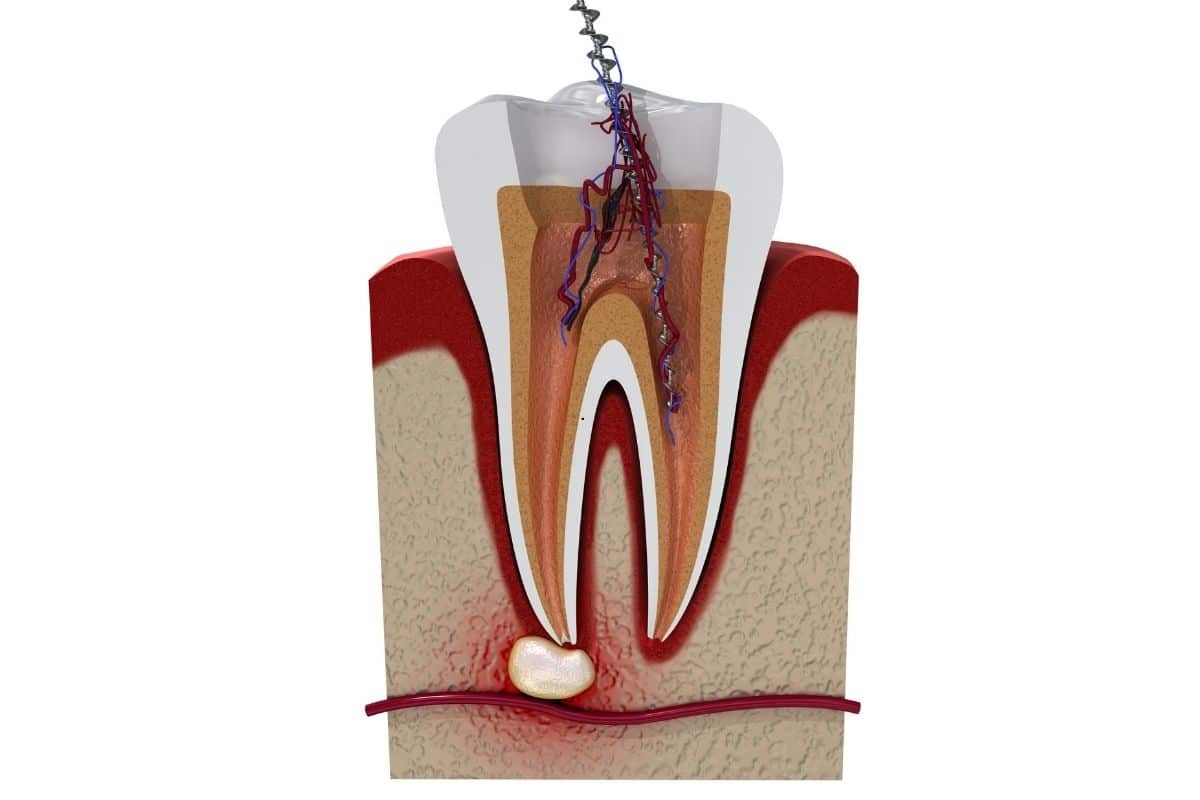
A root canal is one of the most effective ways to save an infected or damaged tooth. For most people, the procedure brings long-lasting relief and prevents future oral complications. However, like any dental treatment, problems can develop if the tooth doesn’t heal properly—or if lingering issues go untreated. Chronic symptoms after a root canal are not normal, and understanding what they mean can protect both your oral and overall health.
In this blog, we’ll discuss potential long-term health concerns following a root canal, the signs you should never ignore, and when to seek immediate evaluation by your dentist.
Why Do Some People Experience Problems After a Root Canal?
Although root canals boast a high success rate, complications can occur if bacteria remain inside the tooth, if a hidden canal is missed, or if the restoration (like a crown) does not seal the tooth properly. After receiving root canal therapy in Lake Worth, most patients heal quickly, but persistent discomfort or swelling could indicate inflammation, reinfection, or structural issues that require follow-up care.
1. Persistent Pain That Doesn’t Improve
Some soreness is expected after a root canal, but severe pain lasting more than a week may signal a concern. Persistent pain can indicate:
- Incomplete cleaning of the root canal
- A missed or unusually shaped canal
- Cracked tooth structure
- Reinfection due to leakage or bacteria
If you find yourself managing constant discomfort or relying on pain relievers regularly, it’s important to schedule a dental evaluation. An untreated infection can spread to surrounding tissues and even affect systemic health.
2. Swelling Around the Gums or Face
Swelling that continues for weeks after treatment is a major red flag. It may be accompanied by tenderness, warmth, or a small pimple-like bump on the gums (dental abscess). Chronic swelling often points to:
- Infection inside or around the treated tooth
- A failing root canal
- A sinus tract draining pus
Left untreated, this can lead to bone loss around the tooth and, in severe cases, systemic infection.
3. Sensitivity to Bite Pressure
A healed tooth should not feel painful when chewing or biting. Ongoing bite sensitivity could mean:
- The root canal filling was not completed fully
- The crown or filling is too high
- A fracture developed in the tooth
- Inflammation persists in tissues around the root
Ignoring this symptom can worsen the condition and may lead to tooth fracture or reinfection.
4. Bad Taste or Odor in the Mouth
A foul smell or taste that doesn’t go away—even after brushing—is often a sign of infection. A leaking filling or crown may allow bacteria to reenter the tooth, leading to decay under the restoration. If you notice persistent odor or drainage, schedule a dental visit, as these issues rarely resolve on their own.
5. Fatigue, Fever, or General Unwellness
While uncommon, chronic root canal infection can sometimes trigger systemic symptoms such as:
- Low-grade fever
- Fatigue
- Swollen lymph nodes
- Headaches
- Malaise or a general feeling of being sick
These signs suggest your immune system is fighting lingering bacteria. If you experience these symptoms, prompt evaluation is essential to prevent the infection from spreading beyond the tooth.
6. Gum Discoloration or Recession Near the Tooth
Darkening of the gum tissue around the treated tooth may indicate chronic inflammation. Recession or thinning gum tissue can also occur when a long-term infection affects the surrounding bone or ligaments. Dental X-rays and exams can help determine whether retreatment or another procedure is necessary.
7. Tooth Darkening or Changes in Appearance
Although root-canal-treated teeth sometimes darken over time, significant color changes can indicate a deeper issue—usually internal breakdown or persistent bacteria. Cosmetic treatments can restore appearance, but the underlying cause must be diagnosed first.
Why You Should Never Ignore Chronic Symptoms
Root canal infections do not remain isolated forever. If bacteria persist, they can travel through blood vessels and, in rare cases, contribute to broader health concerns like cardiovascular stress, sinus infections, or systemic inflammation. Early intervention ensures:
- Prevention of tooth loss
- Reduced risk of abscess formation
- Better long-term oral health
- Lower risk of systemic complications
Monitoring your healing progress and responding early to troubling signs is the best protection.
When to Visit Your Dentist Right Away
Seek prompt evaluation if you experience:
- Pain lasting longer than 5–7 days
- Facial swelling
- Recurrent pimple on the gums
- Fever or fatigue after treatment
- Persistent bad taste or smell
- Sensitivity when chewing
- Discoloration of the gums or teeth
Your dentist may recommend retreatment, medication, or additional imaging to determine the best next step.
Take Control of Your Oral Health
If you’re experiencing chronic symptoms after a root canal, don’t wait for the issue to worsen. A proper examination can save your tooth and protect your overall health. Schedule an appointment today and visit us at 8918 Lantana Rd B, Lake Worth, FL 33467 for expert evaluation and personalized care.
FAQs
1. How long should discomfort last after a root canal?
Most patients feel significantly better within 3–5 days. Persistent or worsening pain beyond a week should be evaluated by your dentist.
2. Can a root canal become infected again?
Yes. If bacteria remain inside the tooth or reenter due to a leak, the tooth can develop a new infection. Retreatment or additional procedures may be needed.
3. What should I do if my root canal symptoms return months or years later?
Schedule a dental exam immediately. Even long-healed teeth can develop reinfection, especially if decay forms around the filling or crown.
