

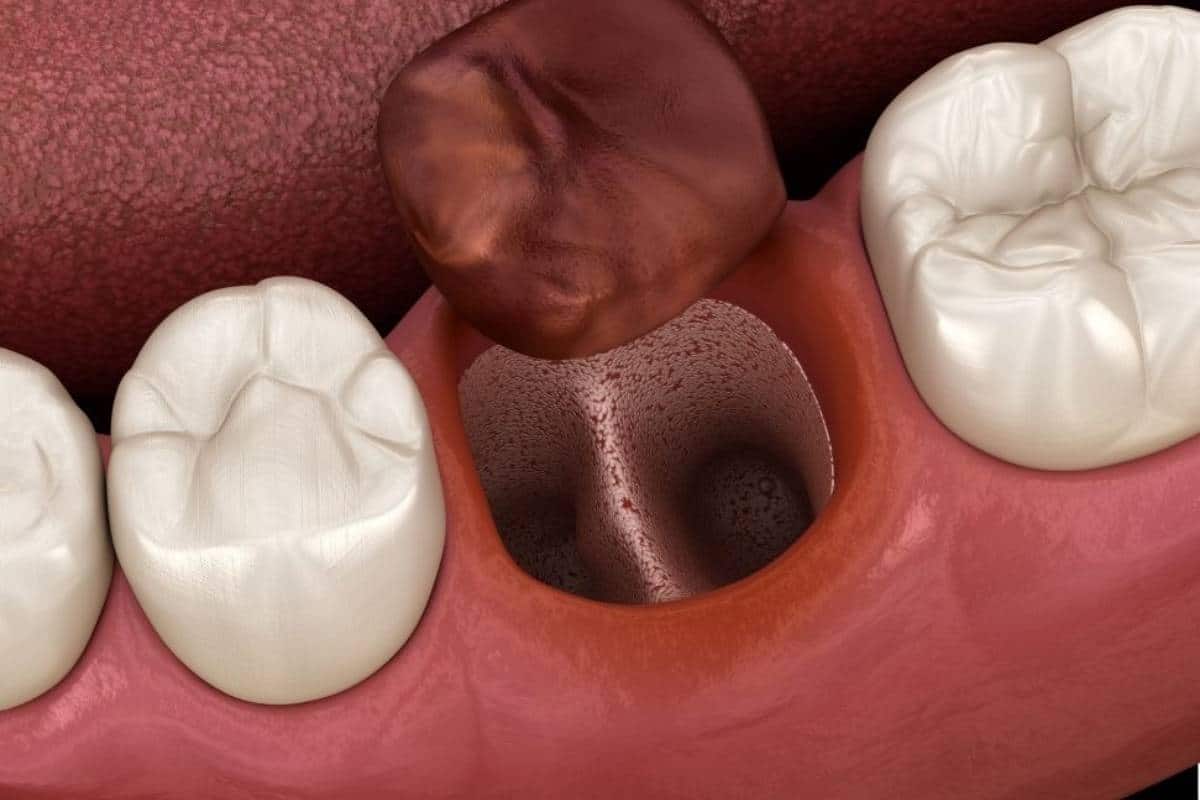
Experiencing tooth extraction is never pleasant, but recovery is usually smooth when you follow your dentist’s instructions. However, sometimes complications can arise—one of the most painful being dry socket. Also known as alveolar osteitis, dry socket occurs when the protective blood clot at the extraction site becomes dislodged or dissolves too soon, leaving the underlying bone and nerves exposed. This condition requires prompt attention to prevent further infection and severe discomfort.
If you’re healing from a recent extraction and aren’t sure whether your symptoms are normal, this guide will help you recognize the top warning signs of dry socket and understand when it’s time to call your dentist.
1. Severe, Deep Pain That Intensifies Instead of Improving
After tooth extraction, mild to moderate soreness is expected. But with proper aftercare, this pain should gradually fade within the first 24–48 hours.
If you notice:
- Severe, throbbing pain,
- Pain radiating to the ear, eye, temple, or neck, or
- Pain that worsens instead of improving,
you may be experiencing dry socket.
This type of discomfort occurs because the underlying bone and nerves are exposed without the protective blood clot. If over-the-counter pain relievers barely help, it’s time to contact your dentist immediately.
2. Visible Bone or an Empty-Looking Socket
During proper healing, the extraction site should appear dark due to the presence of a blood clot. If you look in the mirror and the area looks:
- White or grey,
- As if there is no clot present, or
- Bone appears to be visible,
it’s a strong indicator of dry socket. Though it may feel alarming, your dentist can treat it quickly with medication and proper dressing to relieve pain and promote healing.
3. Foul Taste or Bad Breath That Doesn’t Go Away
A persistent bad taste in your mouth or unpleasant mouth odor is another sign of dry socket. This happens because food particles and bacteria can accumulate in the open socket, leading to infection and inflammation.
If brushing, rinsing gently, or using mouthwash doesn’t improve the foul taste or odor, reach out to your dentist. Leaving it untreated can worsen the infection and make healing more difficult.
4. Swollen Lymph Nodes or Signs of Infection
Dry socket on its own is painful, but when infection develops, symptoms become more severe. Watch for:
- Swollen or tender lymph nodes under your jaw,
- Increased swelling around the jaw or extraction area,
- Fever or chills, or
- A feeling of overall illness or fatigue.
These are signs that bacteria may have entered the exposed socket. Immediate dental care is needed to stop the infection from spreading.
If you’re searching for guidance or quick oral health solutions, speaking with a dental professional, such as a dentist in Lake Worth, can ensure the right treatment and comfort during recovery.
5. Delayed Healing or No Improvement After 3–4 Days
Most patients see significant healing within the first few days following an extraction. If it’s been several days and you still experience:
- Persistent pain,
- Difficulty opening your mouth,
- Sensitivity near the extraction site, or
- A lack of visible healing progress,
Dry socket could be the culprit. Quick professional intervention helps prevent further complications and speeds up recovery.
Why Immediate Treatment Matters
Dry socket won’t heal properly on its own, and the pain can worsen without professional care. Your dentist may:
- Gently clean the socket,
- Apply a medicated dressing to relieve discomfort,
- Prescribe antibiotics (if needed), and
- Provide instructions to prevent recurrence.
Getting treatment early also reduces the risk of infection, bone inflammation, and prolonged healing time.
How to Reduce Your Risk of Dry Socket
While dry socket isn’t entirely preventable, you can greatly lower the risk by following your dentist’s aftercare instructions, such as:
- Avoiding smoking or vaping,
- Not using straws for at least 48–72 hours,
- Keeping your mouth clean without aggressive rinsing,
- Eating soft, gentle foods, and
- Protecting the clot by avoiding vigorous activity.
Taking these steps helps the extraction site heal naturally and reduces the chances of complications.
When to Contact Your Dentist
Dry socket is a dental emergency due to the level of pain and infection risk. If you notice any of the warning signs mentioned earlier, don’t wait. For residents in and around Lake Worth, care is available at 8918 Lantana Rd B, Lake Worth, FL 33467.
Your dental team is ready to evaluate your symptoms, provide relief, and help restore comfort quickly.
If you’re experiencing intense pain or believe your extraction isn’t healing properly, now is the perfect time to schedule an appointment and get examined before the issue worsens.
FAQs
1. How soon does dry socket develop after tooth extraction?
Dry socket typically appears 2 to 4 days after an extraction. This is the point when pain should be decreasing, so sudden worsening of discomfort is a common indicator.
2. Can a dry socket heal on its own?
While mild cases may eventually improve, dry socket rarely heals properly without professional treatment. Dentists clean the socket and apply medication to reduce pain and speed healing.
3. What increases the risk of developing dry socket?
Major risk factors include smoking, poor oral hygiene, vigorous rinsing, using straws, and having a history of dry socket. Taking precautions and following aftercare instructions significantly lowers your risk.