

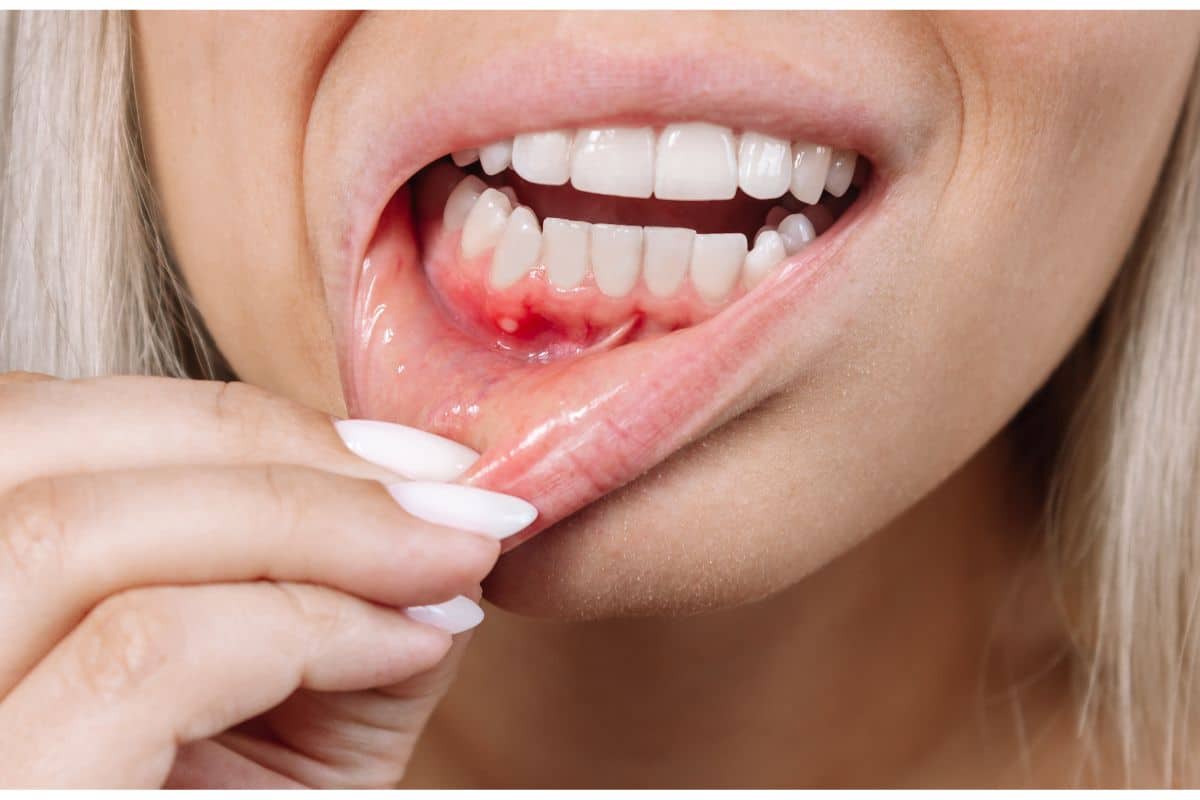
Gum health is a crucial aspect of your overall dental well-being, yet it’s often overlooked until problems become painful or severe. Gum disease, also known as periodontal disease, is one of the leading causes of tooth loss in adults, and it can progress quietly without obvious symptoms in its early stages. Knowing the signs and seeking timely periodontal treatment can help you preserve your natural teeth and maintain a healthy smile for life.
In this blog, we’ll explore what periodontal disease is, the common signs to watch out for, and how timely treatment can help prevent irreversible damage to your gums and teeth.
What Is Periodontal Disease?
Periodontal disease is a chronic inflammatory condition that affects the gums and supporting structures of the teeth. It begins with plaque buildup—a sticky film of bacteria that forms on teeth. If plaque is not removed through regular brushing and flossing, it hardens into tartar, which irritates the gums and leads to inflammation.
The disease typically progresses through two main stages:
- Gingivitis: The earliest and mildest form of gum disease. It causes gum irritation, redness, and bleeding during brushing or flossing. Gingivitis is reversible with proper oral hygiene and professional cleanings.
- Periodontitis: If gingivitis is left untreated, it can develop into periodontitis. This stage involves the destruction of the gum tissue and bone that support your teeth. It can lead to gum recession, tooth mobility, and eventually tooth loss.
Why Is Periodontal Treatment Important?
Without timely treatment, periodontal disease can lead to serious oral health complications, including:
- Tooth loss
- Gum recession
- Bone loss
- Chronic bad breath
- Increased risk of systemic health conditions such as heart disease, diabetes, and stroke
Periodontal treatment is essential for stopping the progression of the disease, restoring gum health, and preventing tooth loss. Early detection is key, and recognizing the warning signs can save you from extensive dental procedures in the future.
Common Signs You May Need Periodontal Treatment
Here are the most common indicators that you may be dealing with gum disease and should consult a dental professional for a thorough evaluation:
1. Red, Swollen, or Tender Gums
Healthy gums should appear pink and firm. If your gums are red, swollen, or sensitive to touch, it could be a sign of inflammation caused by bacterial infection. These symptoms are often the first signs of gingivitis, and prompt treatment can reverse the condition.
2. Bleeding Gums While Brushing or Flossing
Bleeding gums are never normal, even if it happens only occasionally. If you notice blood in the sink after brushing or flossing, it may be a sign of gum disease. Bleeding is typically a result of gum inflammation and irritation from plaque and tartar buildup.
3. Persistent Bad Breath (Halitosis)
Chronic bad breath can be caused by bacteria thriving in the pockets between your teeth and gums. As gum disease progresses, it creates deep pockets where bacteria can accumulate and release foul-smelling toxins, resulting in persistent halitosis.
4. Receding Gums
Do your teeth appear longer than they used to? Gum recession is a common symptom of periodontitis. As the disease progresses, gum tissue pulls away from the teeth, exposing more of the tooth and sometimes even the roots. This can lead to increased tooth sensitivity and a higher risk of decay.
5. Loose or Shifting Teeth
Advanced periodontal disease can damage the bone and connective tissues that hold your teeth in place. If you notice any changes in the alignment of your teeth, or if they feel loose when biting or chewing, this may indicate severe gum disease that requires immediate attention.
6. Pain When Chewing
While gum disease isn’t always painful in its early stages, discomfort while chewing can develop as the infection worsens. This pain may result from inflamed gum tissue, abscesses, or tooth mobility due to loss of bone support.
7. Pus Between Your Teeth and Gums
Pus is a clear sign of infection. If you see or feel pus oozing between your gums and teeth, you may have a periodontal abscess—a localized collection of bacteria and dead tissue. This requires prompt periodontal care to avoid further damage.
8. A Change in Your Bite or Fit of Dental Appliances
Gum disease can cause teeth to shift over time, which may lead to noticeable changes in how your teeth come together when you bite. If you wear dentures, partials, or retainers, you might also notice that they no longer fit correctly. This is another sign that gum disease may be affecting the alignment of your teeth.
Risk Factors That Increase the Likelihood of Gum Disease
While anyone can develop periodontal disease, some individuals are at higher risk. Risk factors include:
- Poor oral hygiene habits
- Smoking or tobacco use
- Diabetes
- Hormonal changes (e.g., during pregnancy or menopause)
- Family history of gum disease
- Stress
- Medications that cause dry mouth
- Immunocompromised conditions
Understanding these risk factors can help you take proactive steps to protect your oral health.
What to Expect During Periodontal Treatment
If your dentist or periodontist diagnoses you with gum disease, they’ll recommend a treatment plan based on the severity of the condition. Common treatments include:
- Professional Cleaning (Prophylaxis): For mild gingivitis, a professional cleaning may be enough to remove plaque and tartar.
- Scaling and Root Planing (Deep Cleaning): A non-surgical procedure that removes tartar from below the gumline and smooths the tooth root to help gums reattach.
- Antibiotic Therapy: Medicated mouth rinses or topical antibiotics may be used to reduce bacteria and inflammation.
- Surgical Treatments: In advanced cases, flap surgery or bone and tissue grafts may be required to repair the damage caused by periodontitis.
Regular follow-up care is crucial for maintaining your results and preventing recurrence.
Tips to Prevent Gum Disease
The best way to avoid periodontal disease is to practice good oral hygiene and maintain routine dental visits. Here are some helpful tips:
- Brush your teeth at least twice a day using fluoride toothpaste
- Floss daily to remove plaque between teeth and along the gumline
- Use an antimicrobial mouthwash
- Avoid tobacco products
- Eat a balanced, low-sugar diet
- Visit your dentist every 6 months for cleanings and checkups
By staying vigilant and proactive, you can significantly reduce your risk of developing gum disease.
Don’t Ignore the Signs
Gum disease doesn’t happen overnight—it’s a progressive condition that can be reversed or managed with early detection and proper care. If you’re experiencing any of the symptoms mentioned above, don’t wait until the damage becomes permanent. A periodontal evaluation could be the first step toward restoring your gum health and preserving your smile.
If you’re in the Lake Worth Corridor area and suspect you may need periodontal treatment, don’t delay. Please request an appointment now at our conveniently located office at 8918 Lantana Rd B, Lake Worth Corridor, FL 33467. Your healthy smile is just a visit away!