

If you’re tired of the discomfort or inconvenience of traditional dentures, you’re not alone. Many people are turning to implant-supported dentures for a more secure, stable, and natural-feeling alternative. But a common question arises: how many dental implants are needed to replace full dentures?
The answer depends on several factors, including your oral health, bone density, budget, and the type of implant restoration you choose. In this blog, we’ll break it all down so you can make an informed decision.
What Are Implant-Supported Dentures?
Unlike conventional dentures that rest on the gums, implant-supported dentures are anchored to dental implants—small titanium posts that are surgically placed into the jawbone. These implants serve as artificial tooth roots, providing a secure foundation for full-arch prosthetics.
There are two main types:
- Fixed implant dentures (non-removable)
- Removable implant overdentures (snap-on style)
Both options offer greater comfort, stability, and bone preservation compared to traditional dentures.
So, How Many Implants Do You Need?
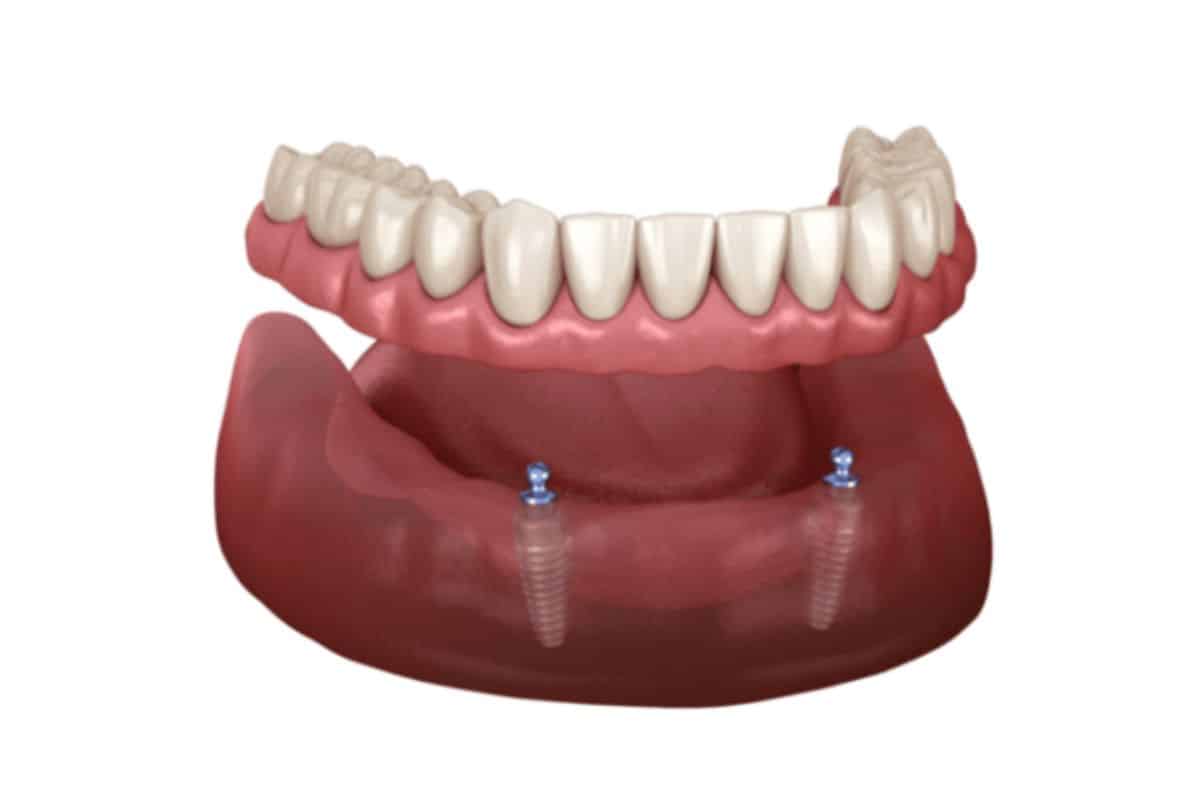
✅ Minimum: 2 Implants (Removable Overdentures)
- Used For: Lower jaw only (mandibular overdentures)
- Pros: Most affordable option, relatively simple procedure
- Cons: Some movement possible, not as stable as more implants
Two implants are typically considered the minimum standard for a removable denture, especially for the lower arch, which tends to be more unstable with traditional dentures.
✅ 4 Implants (Common Choice for Both Arches)
- Used For: Both upper and lower jaw, removable or fixed options
- Pros: Improved stability, bone preservation, better function and comfort
- Cons: Higher cost than 2-implant overdentures
This configuration is ideal for many patients and strikes a good balance between affordability and performance. In the case of a fixed option like All-on-4®, the denture is permanently attached to the implants.
✅ 6 to 8 Implants (Maximum Stability for Fixed Dentures)
- Used For: Full-arch fixed bridges or more complex cases
- Pros: Ultimate support, very natural feel, long-term durability
- Cons: More invasive, higher cost, requires sufficient bone
If you’re looking for the closest alternative to natural teeth, a full arch supported by six or more implants offers unmatched stability. This is especially ideal for patients with good bone density and long-term oral health goals.
Factors That Influence the Number of Implants Needed
- Jawbone Health: More implants may be needed if bone quality is poor or if extra stability is required.
- Upper vs. Lower Jaw: The upper jaw usually requires more implants due to softer bone density.
- Type of Prosthesis: Fixed bridges often require more implants than removable overdentures.
- Budget: Implant procedures vary in cost. Dentists can tailor treatment plans based on your financial situation and health needs.
What If You Don’t Have Enough Bone?
If you’ve been wearing dentures for years, bone loss is common. But don’t worry—options like:
- Bone grafting
- Zygomatic implants
- Angled implants in All-on-4® treatments
…can make implant placement possible even in challenging cases.
Why Replace Dentures with Implants?
- No slipping or clicking
- Better chewing power and speech clarity
- Improved bone preservation
- Long-term solution with proper care
- Boost in confidence and quality of life
So, how many implants do you need to replace full dentures? It depends. Some patients thrive with as few as two implants, while others opt for four, six, or even eight for maximum security and a natural feel.
The best way to determine what’s right for you is to schedule a consultation with an experienced implant dentist. They’ll evaluate your oral health, discuss your goals, and create a customized plan that fits your needs and budget.
Ready to upgrade your smile? Talk to your local dental implant specialist to explore your options and take the first step toward a more confident, comfortable life—without dentures that slip or slide.