

Dental anxiety is more common than you might think—many patients feel nervous, fearful, or even panicked at the thought of visiting the dentist. Fortunately, modern sedation dentistry has made it easier than ever to receive dental care in a comfortable, anxiety-free environment. Sedation dentistry involves using medication to help patients relax during dental procedures, and it’s not just for people with severe anxiety—it can also be useful for those with low pain tolerance, strong gag reflexes, or those undergoing lengthy treatments.
Understanding the different types of sedation available can help you make informed decisions about your dental care. Here are five common types of sedation dentistry and when they are typically used.
1. Nitrous Oxide (Laughing Gas)
Best for: mild anxiety, routine procedures, children, and adults who want to drive themselves home afterward.
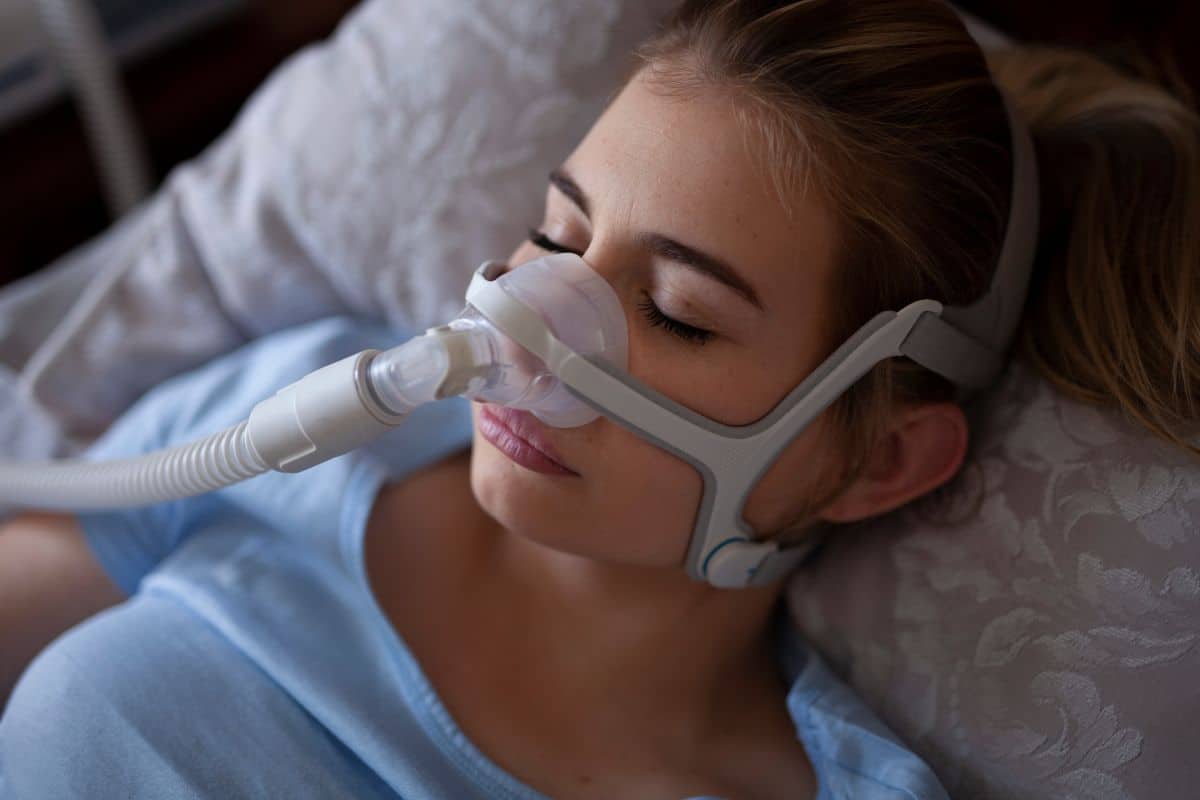
Nitrous oxide—commonly known as laughing gas—is one of the most widely used forms of sedation in dentistry. It’s a colorless, odorless gas that is inhaled through a small mask placed over the nose. Within minutes, patients feel relaxed, lightheaded, or slightly euphoric, making the dental procedure much more comfortable.
One of the biggest benefits of nitrous oxide is that it wears off quickly after the procedure, allowing patients to resume their normal activities—including driving—right away. It’s ideal for patients who need a mild sedative but want to remain fully awake and aware during treatment.
2. Oral Conscious Sedation
Best for: Moderate anxiety, longer appointments, patients with sensitive teeth or gag reflex.
Oral sedation involves taking a prescribed pill (usually in the benzodiazepine family) before your dental appointment. The most common medications used are Halcion (a form of triazolam), diazepam (Valium), or lorazepam (Ativan). These drugs help ease anxiety and induce a state of calm or drowsiness.
Depending on the dosage, oral sedation can range from minimal to moderate. While you’ll still be conscious and able to respond to your dentist, many patients feel so relaxed they remember very little about the procedure. Because the effects can linger, you’ll need someone to drive you home after your appointment.
3. IV Sedation
Best for: severe anxiety, lengthy or complex procedures, and patients who want a deeper level of relaxation.
IV (intravenous) sedation is administered directly into the bloodstream through a vein, usually in the arm or hand. This method allows the sedation to work quickly and enables your dentist to adjust the level of medication throughout the procedure as needed.
Under IV sedation, most patients remain conscious but feel as if they’re asleep or in a dreamlike state. You won’t feel pain, and in many cases, you won’t remember much of the procedure at all. Because of its powerful effects, IV sedation is often used for oral surgeries, complex restorative treatments, or patients with intense dental phobia.
4. General Anesthesia
Best for: Extensive oral surgery, patients with extreme dental phobia, and individuals with special healthcare needs.
General anesthesia is the deepest level of sedation and renders the patient completely unconscious. It is typically reserved for situations where other forms of sedation aren’t sufficient, such as lengthy surgical procedures, full-mouth reconstructions, or when treating patients with specific medical or behavioral conditions.
This form of sedation requires monitoring by a licensed anesthesiologist or oral surgeon in a controlled setting. Patients under general anesthesia will not feel pain or be aware of anything during the procedure, and they will need time to recover fully before resuming normal activities.
5. Intranasal Sedation
Best for: children, patients who fear needles or pills, or short or simple procedures.
Intranasal sedation is a newer method where a sedative (usually midazolam) is sprayed into the nasal passages using a specialized device. The medication is quickly absorbed into the bloodstream through the nasal mucosa, offering fast and effective sedation without the need for needles or oral pills.
This method is especially helpful for pediatric patients or individuals with strong aversions to other forms of sedation. It provides mild to moderate relaxation and is suitable for short procedures like dental cleanings or fillings.
Choosing the Right Sedation for You
The type of sedation recommended for you will depend on several factors, including
- The complexity and length of the dental procedure
- Your level of dental anxiety or fear
- Your overall health and medical history
- Your personal comfort preferences
At your consultation, your dentist will review your options and help you choose the best sedation method tailored to your needs. The goal is to ensure a comfortable, safe, and positive dental experience every time.
Is Sedation Dentistry Safe?
Yes, sedation dentistry is safe when administered by trained professionals. Your dental team will monitor your vital signs throughout the procedure and provide specific instructions for pre- and post-appointment care. They’ll also take the time to thoroughly review your health history and make any necessary adjustments to ensure your safety.
Whether you’re receiving nitrous oxide or general anesthesia, safety is always the top priority. Many patients who try sedation dentistry report feeling more confident about future appointments and more willing to maintain regular dental visits.
Request an Appointment Now
Don’t let fear or discomfort keep you from achieving a healthy, beautiful smile. Sedation dentistry offers a stress-free, pain-free solution that can transform your experience at the dentist. Whether you need a simple cleaning or a complex dental procedure, there’s a sedation option that’s right for you.
Request an appointment now to learn more about your sedation dentistry options and discover how our caring team can help you feel calm, safe, and confident in the dental chair.