


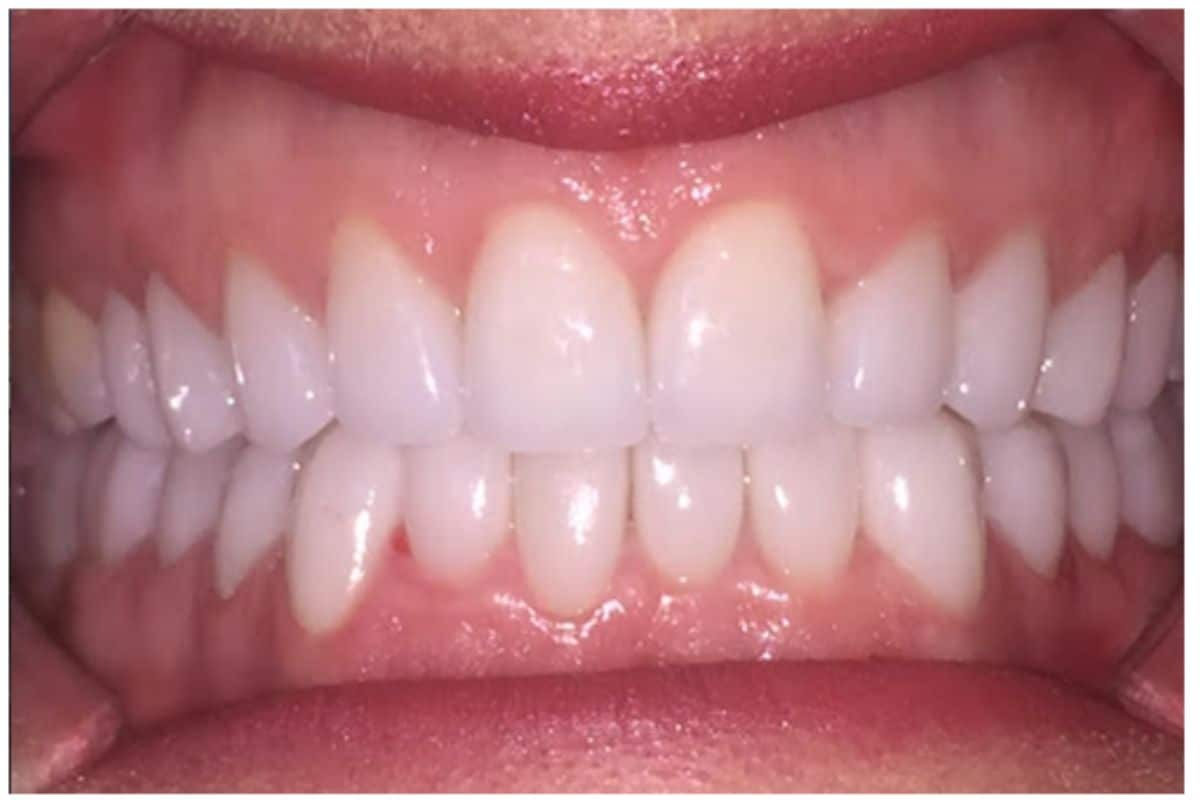
Embarking on a full-mouth reconstruction journey can be a significant decision, often driven by various dental issues or cosmetic concerns. While the prospect of achieving a healthier and more aesthetically pleasing smile is exciting, it’s essential to understand the timeline involved in the process. A full-mouth reconstruction is a comprehensive dental treatment plan that addresses multiple oral health issues simultaneously. Let’s delve into the details of how long this transformative procedure typically takes.
What is a full-mouth reconstruction?
Before diving into the timeline, let’s briefly touch upon what a full-mouth reconstruction entails. A full-mouth reconstruction, also known as full-mouth rehabilitation or restoration, is a customized treatment plan designed to address extensive dental problems affecting the entire mouth. These issues may include:
- Missing teeth
- Severely decayed teeth
- Damaged or fractured teeth
- Misaligned bite
- Gum disease
- Jaw bone deterioration
The reconstruction process often involves a combination of restorative, cosmetic, and surgical procedures tailored to the patient’s unique needs and goals.
Factors Influencing the Timeline
Several factors influence the duration of a full-mouth reconstruction, including:
- Severity of Dental Problems: The complexity and severity of the dental issues being addressed play a significant role in determining the timeline. More extensive problems may require multiple procedures and a longer recovery period.
- Treatment Plan: Each full-mouth reconstruction plan is customized to meet the specific needs of the individual patient. The number and types of procedures included in the plan will impact the overall timeline.
- Preparation Phase: Before commencing the reconstruction process, patients may need to undergo preliminary treatments such as periodontal therapy, root canal therapy, or tooth extractions. This preparatory phase can extend the timeline.
- Healing and Recovery: After each procedure, sufficient time is needed for healing and recovery before proceeding to the next step. The duration of the recovery period varies depending on the nature of the procedure and the patient’s overall health.
- Coordination of Multiple Specialists: A full mouth reconstruction often involves collaboration between various dental specialists, such as prosthodontists, periodontists, endodontists, and oral surgeons. Coordinating appointments and procedures with multiple specialists may impact the timeline.
Typical Timeline for Full Mouth Reconstruction
While the timeline for a full-mouth reconstruction can vary widely depending on individual circumstances, here’s a general overview of the process:
- Initial Consultation: During the initial consultation, the Lake Worth dentist will conduct a comprehensive examination, discuss the patient’s concerns and goals, and develop a personalized treatment plan.
- Preparatory Phase: If necessary, preliminary treatments such as periodontal therapy, root canal therapy, or tooth extractions may be performed to prepare the mouth for reconstruction.
- Restorative Procedures: The main phase of reconstruction begins, which may involve procedures such as dental implants, crowns, bridges, veneers, or dentures. The number of appointments required for these procedures will depend on the complexity of the case.
- Healing and Recovery: After each procedure, patients will need time to heal and recover before proceeding to the next step. This may involve temporary restorations to maintain function and aesthetics during the healing process.
- Final Adjustments: Once all restorative procedures are complete, final adjustments may be made to ensure the proper fit, function, and aesthetics of the restorations.
- Ongoing Maintenance: Following the completion of the reconstruction, regular dental check-ups and maintenance appointments are essential to ensure the longevity of the results and the overall health of the mouth.
Conclusion
In conclusion, the duration of a full-mouth reconstruction can vary depending on several factors, including the severity of dental problems, the complexity of the treatment plan, and the patient’s healing capacity. While it may take several months to complete the entire process, the result—a healthy, functional, and aesthetically pleasing smile—is well worth the investment of time and effort. If you’re considering a full-mouth reconstruction, be sure to consult with a qualified and experienced dentist who can assess your needs and guide you through the process. Remember, achieving your dream smile is a journey, but with proper planning and expert care, it’s entirely achievable.
