

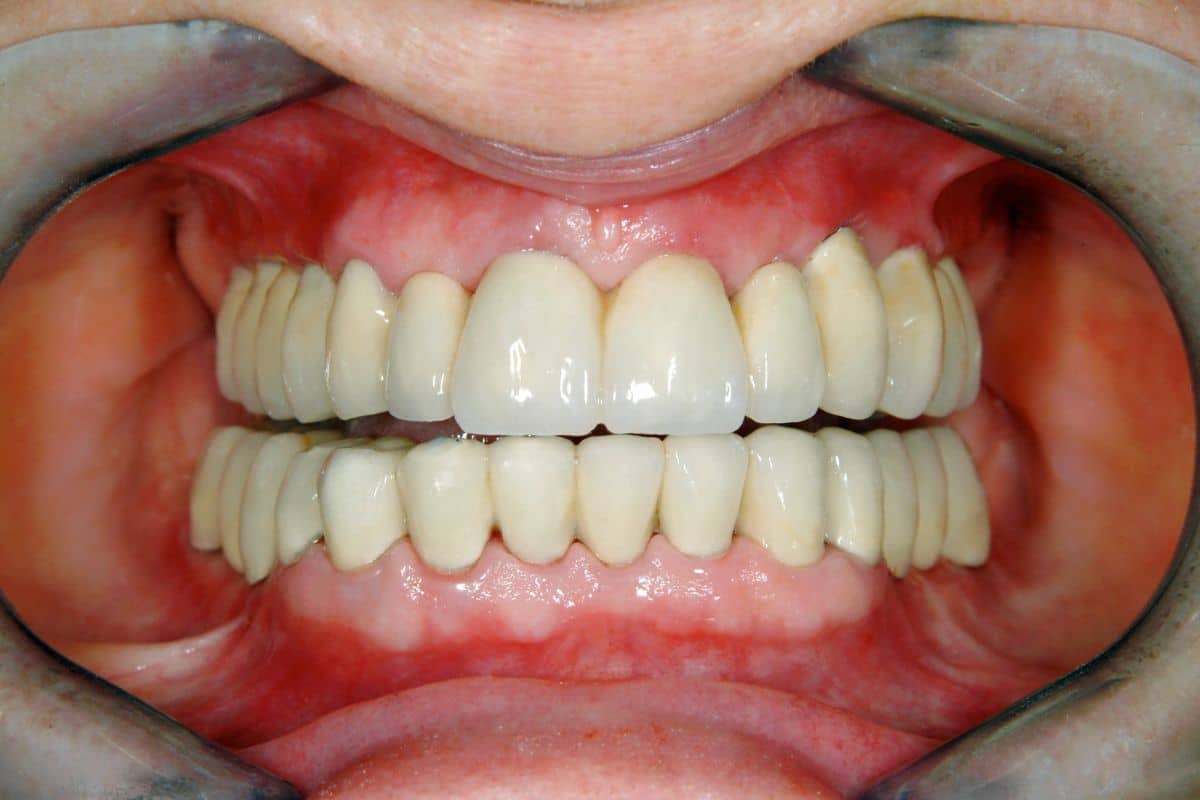
Full-mouth reconstruction is a revolutionary dentistry operation that aims to improve the health, function, and appearance of the complete mouth. Full-mouth reconstruction can cure a variety of dental problems, including missing teeth and misaligned bites, whether they are the result of trauma, decay, or other oral problems. We’ll take you step-by-step through the full-mouth reconstruction process in this guide, explaining the different procedures and what to anticipate at each turn.
Initial Assessment and Consultation
A complete mouth reconstruction begins with a thorough examination performed by a licensed prosthodontist or dentist. Your dentist will assess your dental health, talk over your goals and concerns, and choose the best course of action for you at the initial appointment. This could involve taking impressions, scans, and X-rays to obtain comprehensive data on your teeth, gums, and jawbone.
Treatment Planning
Based on the findings of the assessment, your Lake Worth dentist will develop a personalized treatment plan tailored to address your specific dental issues. This plan may involve a combination of procedures such as dental implants, crowns, bridges, veneers, orthodontics, and gum surgery, among others. Your dentist will explain each procedure in detail, including the expected outcomes, timeline, and any potential risks or complications.
Preparatory Procedures
To guarantee the best outcome, you might need to go through a few preparatory steps before the major repair process starts. This can involve cleanings of the teeth, periodontal therapy to treat gum disease, extractions of teeth that are badly decaying or broken, and, if necessary, bone grafting to strengthen the jawbone. These initial actions aid in laying a sound basis for the reconstruction procedure.
Placement of Dental Implants
Dental implants are a long-lasting and aesthetically pleasing option that may be suggested to individuals who have lost teeth or teeth that are seriously damaged. Dental implants are placed by surgically introducing titanium posts—which act as replacement tooth roots—into the mandible. Following a healing phase known as osseointegration, which involves the implants fusing with the jawbone, prosthetic teeth like crowns or bridges are affixed to the implants to finish the restoration.
Restorative Procedures
Once the preparatory work is complete and any necessary implants are in place, the restorative phase of full-mouth reconstruction can begin. This may involve a combination of procedures to repair or replace damaged teeth, restore proper bite alignment, and improve overall aesthetics. Common restorative procedures include dental crowns, bridges, veneers, orthodontic treatment (braces or clear aligners), and dental bonding or contouring to reshape teeth.
Final Adjustments and Follow-Up Care
Your dentist will make any necessary final modifications to ensure correct fit, function, and aesthetics after the restorative operations are finished. This could entail giving instructions for post-reconstruction care, cleaning artificial teeth, and adjusting the bite. To keep an eye on your recovery, resolve any issues, and ensure the long-term success of your full-mouth reconstruction, regular follow-up appointments will be arranged.
Conclusion
Full-mouth reconstruction is a comprehensive dental treatment that can address a wide range of oral health issues and restore your smile’s beauty and functionality. By following this step-by-step guide and working closely with your dentist, you can achieve a healthy, confident smile that lasts a lifetime. If you’re considering full-mouth reconstruction, schedule a consultation with a qualified dental professional to learn more about your options and take the first step toward a brighter, healthier smile.