

Straightening your teeth is more than just a cosmetic concern; it can greatly impact your oral health and overall well-being. If you’re considering orthodontic treatment, chances are you’ve come across two popular options: Invisalign and traditional braces. Both of these methods have their pros and cons, but the question remains: which one is right for you? We’ll dive deep into the world of orthodontics to help you make an informed decision. So put on your dental detective hat as we explore the battle between Invisalign and traditional braces!
What are Invisalign and Traditional Braces?
Invisalign and traditional braces are both orthodontic treatment options designed to straighten teeth and improve your smile. However, they differ in terms of materials used and the way they work.
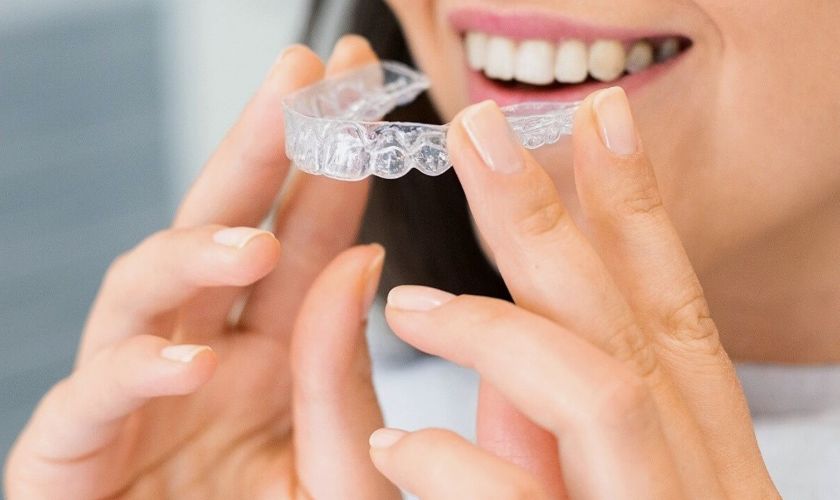
Invisalign is a modern alternative to traditional braces that uses clear aligner trays made from smooth, BPA-free plastic. These trays are custom-made for each individual and fit snugly over your teeth. Over time, the aligners gently shift your teeth into their desired position.
Traditional braces, on the other hand, consist of metal brackets that are bonded to your teeth with adhesive. These brackets are connected by wires and rubber bands that apply pressure to move your teeth into alignment gradually.
One key advantage of Invisalign is its virtually invisible appearance. The clear aligners make it difficult for others to notice that you’re undergoing orthodontic treatment. On the other hand, traditional braces are more noticeable due to metal brackets and wires.
Another benefit of Invisalign is its removability feature. Unlike traditional braces which remain fixed throughout the treatment duration, Invisalign allows you to remove the aligner trays when eating or brushing/flossing – making oral hygiene maintenance simpler.
However, it’s important to note that compliance plays a crucial role in achieving successful results with Invisalign. The trays must be worn for at least 20-22 hours per day consistently for them to straighten your teeth effectively.
Traditional braces may require more frequent visits to your orthodontist for adjustments compared to Invisalign since they need manual tightening or replacement of rubber bands/wires as required during treatment progressions
Whether you choose Invisalign or traditional braces depends on several factors such as the severity of misalignment issues requiring correction (as some complex cases might still require traditional braces), personal preference regarding appearance during the treatment period, lifestyle considerations (such as ability/desire for removable appliances), and overall treatment goals. Consulting with an orthodontist will help determine which option is best
The Pros and Cons of Invisalign vs. Traditional Braces
When it comes to straightening your teeth, you have two main options: Invisalign and traditional braces. Both options have their advantages and disadvantages, so it’s important to weigh them carefully before making a decision.
Let’s start with Invisalign. One of the biggest pros of this orthodontic option is that it is virtually invisible. The aligners are made from clear plastic, so most people won’t even notice that you’re wearing them. Additionally, the aligners can be easily removed for eating and brushing your teeth, which makes maintaining good oral hygiene much easier compared to traditional braces.
On the other hand, traditional braces have been used for decades with proven results. They are highly effective in correcting complex dental issues such as severe overcrowding or misalignment. Unlike Invisalign, which relies on patient compliance in wearing the aligners consistently, traditional braces are always working to move your teeth into proper alignment.
However, there are some downsides to consider when choosing traditional braces. They can be more noticeable and may impact self-confidence for some individuals. They require regular visits to tighten wires and adjust brackets.
In summary (without using “in conclusion” or similar phrases), both Invisalign and traditional braces offer unique benefits and drawbacks. It ultimately depends on your individual needs and preferences as well as the severity of your orthodontic issues.”
How to Choose the Right Orthodontic Option For You
Choosing the right orthodontic option for your smile can seem like a daunting task. With so many options available, it’s important to consider your individual needs and preferences. Here are some factors to consider when making this decision.
First, think about your lifestyle and daily routine. Invisalign offers the convenience of being removable, allowing you to eat and drink without any restrictions. Traditional braces require more maintenance and may limit certain foods during treatment.
Next, consider the level of comfort you desire. Invisalign aligners are made of smooth plastic that is custom-fit to your teeth, minimizing discomfort compared to traditional braces with brackets and wires.
Another factor to weigh is the complexity of your orthodontic issues. While Invisalign can effectively treat mild to moderate cases, complex cases may require traditional braces for more precise adjustments.
Additionally, take into account the duration of treatment required. Invisalign typically requires fewer office visits than traditional braces but may take longer depending on the severity of your misalignment.
Cost is an essential consideration for many individuals. It’s important to consult with your orthodontist about payment plans or insurance coverage options for both Invisalign and traditional braces.
Remember that each person’s dental situation is unique, so consulting with an experienced orthodontist will help determine which option is best suited for you!
Invisalign vs. Traditional Braces Cost Comparison
When considering orthodontic treatment options, one important factor to consider is cost. Both Invisalign and traditional braces come with their price tags, so let’s compare the costs of each.
If you’re looking for a nearly invisible solution that allows you to maintain your normal lifestyle without any dietary restrictions, Invisalign may be the right choice for you. Its removable aligners offer flexibility and comfort throughout your treatment journey.
On the other hand, if you have severe misalignment or bite problems that require precise adjustments, traditional braces may be the better option. With their ability to apply constant pressure on teeth, they can effectively correct even the most complex dental issues.
The decision between Invisalign and traditional braces should be based on your specific needs and preferences. It’s important to consult with an experienced orthodontist who can assess your case and recommend the best treatment plan tailored to achieve optimal results.
Remember that choosing an orthodontic treatment is an investment in not only your oral health but also your self-confidence. So take your time to research, ask questions, and make an informed decision about which option will help you achieve the beautiful smile you desire.
Whether you choose Invisalign or traditional braces in Lake Worth, FL, or anywhere else around the world, rest assured knowing that modern orthodontics has made great strides in providing effective solutions for straightening teeth. Embrace this opportunity to improve both your oral health and overall well-being!
To find out more about how Invisalign can transform your smile or discuss other orthodontic options suitable for you in the Lake Worth, FL area; don’t hesitate to reach out to our team Orthodontics today! We are here to guide you toward achieving a confident smile that lasts a lifetime.